
Computer applications in fish and seafood processing
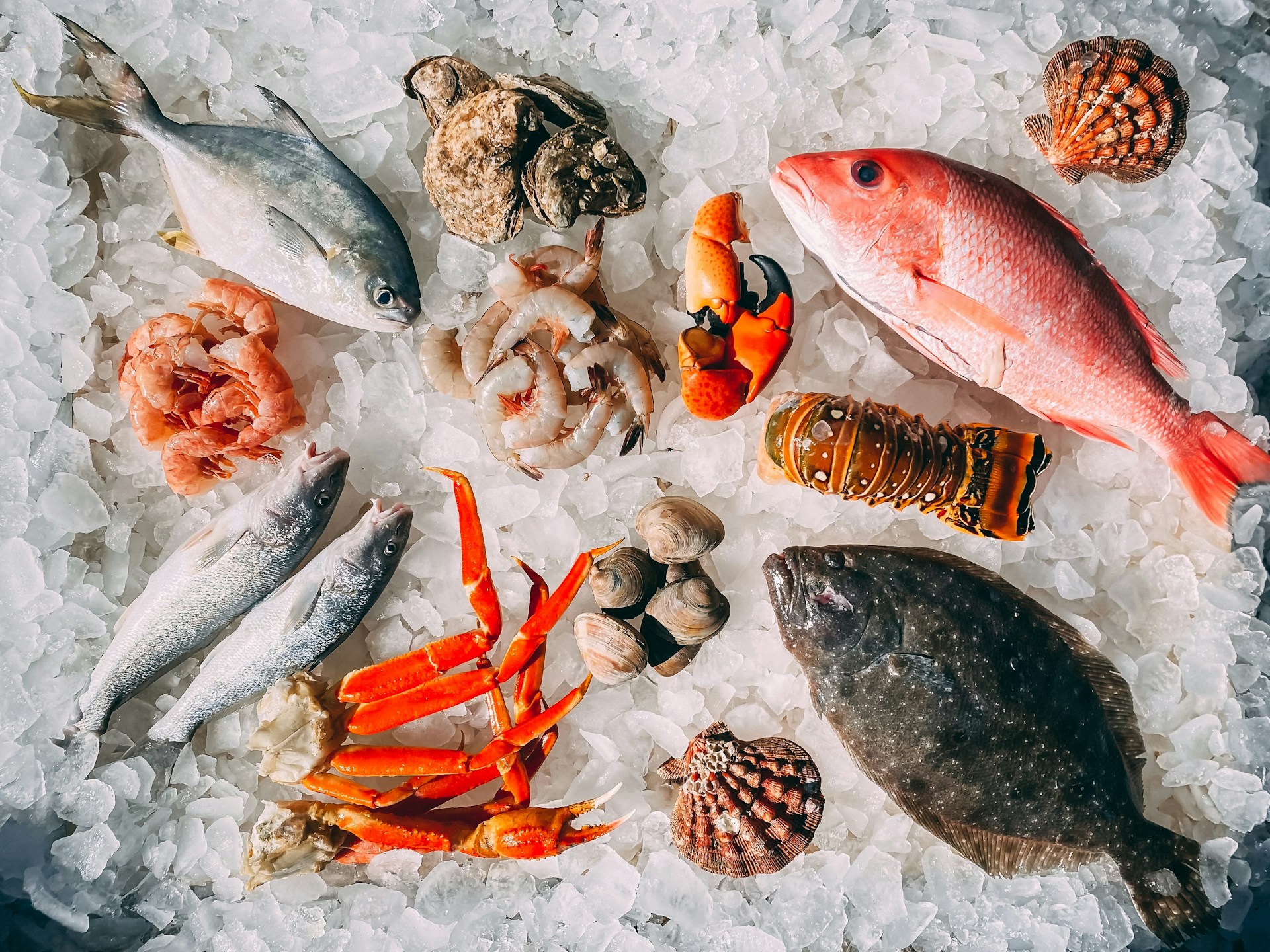
This course introduces undergraduate students to the principles and methodologies of modelling, simulation, and optimisation of fish and seafood processing operations using computational tools. Emphasis is placed on the application of numerical methods and data analysis techniques to solve engineering problems encountered in seafood processing, preservation, and quality control. The course covers the formulation and solution of algebraic and differential mathematical models describing key phenomena in fish and seafood systems, including heat transfer during chilling, freezing, thawing, and thermal processing; mass transfer during salting, drying, and marination; and kinetic modelling of quality degradation and microbial inactivation. Students are trained in the use of Excel for solving systems of linear and non-linear equations, regression analysis, numerical integration, and process optimisation. Realistic case studies from fish and seafood processing industries are used throughout the course to link theory with industrial practice.
General learning outcomes
Upon successful completion of the course, students will be able to:
- Apply mathematical models to describe physical, chemical, and biological phenomena in fish and seafood processing.
- Use numerical methods to solve food engineering problems related to seafood preservation and processing.
- Perform regression analysis and parameter estimation using experimental seafood data.
- Evaluate and optimise processing conditions (e.g. thermal treatments, freezing processes) using computational tools.
- Employ Excel effectively for data analysis, modelling, and decision-making in seafood engineering applications.
The course strengthens analytical thinking, problem-solving skills, and computational competence, preparing students for advanced coursework or professional practice in fish and seafood processing, quality assurance, and food engineering.
|
On-site training at: |
Agricultural University of Athens |
|
Assessment method: |
Student assessment is based on weekly computational assignments (50%) using Excel and a final presentation (50%) focused on solving fish and seafood processing problems through numerical modelling and optimisation. |
| Prerequisites for
participating students: |
Students should have prior knowledge of mathematics, computer programming, and food preservation. Basic computer literacy and familiarity with quantitative problem-solving are required, while prior experience in fish and seafood processing is advantageous but not mandatory. |
|
Certification: |
EU-CONEXUS certificate of attendance |
Thematic area:
Seafood processing and preservation
Mentor:
Theofania Tsironi
University:
Agricultural University of Athens
Faculty/Department:
Department of Food Science and Human Nutrition
Email address:
PhD Leader:
Evmorfia Athanasopoulou
PhD Leader’s email address:
Start date:
02/03/2026
Closing date:
30/04/2026
Deadline for applications:
24/02/2026 at 12.00 CET
Physical presence mandatory
NO
Duration of physical presence:
N/A
Only online courses
YES
Schedule:
Click here