Session 3: Infrastructure & Nature Based Solutions for Disaster Risk Reduction and Climate Change
Adaptation with Local Knowledge & Cultural Practices
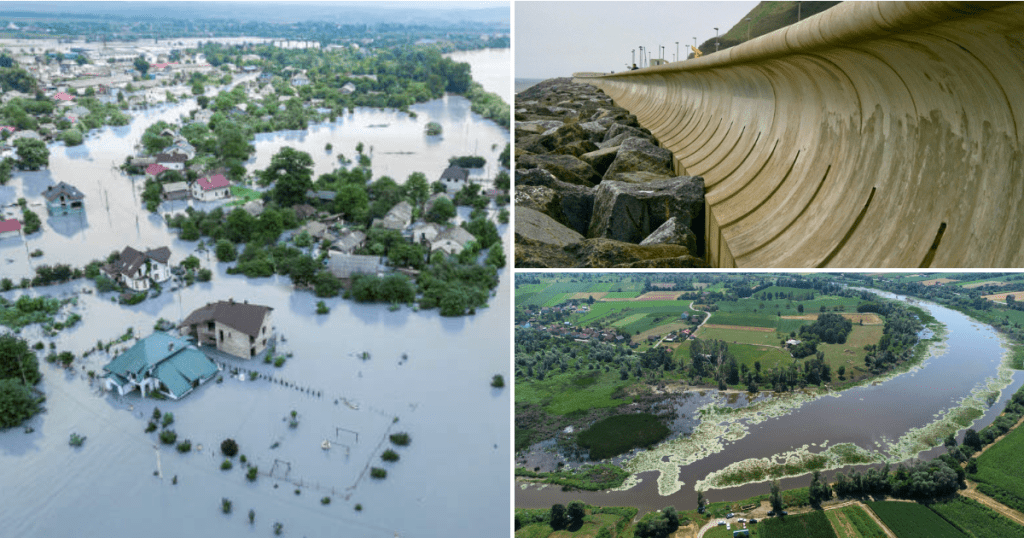
This session focuses on exploring adaptive coastal infrastructure designs that can withstand natural hazards and the growing impacts of climate change, methods for monitoring environmental conditions, nature-based solutions for disaster risk reduction and examples of smart land-use planning and management solutions for disaster-resilient cities. Smart materials and flexible design techniques can be used to create infrastructure that can adapt to environmental changes, absorb shocks from earthquakes, resist erosion from floods and storms, reduce the transfer of heat/coldfrom the environment to the interior space and are fire-resistant. Real-time monitoring systems and techniques such as IoT sensors, drones, remote sensing and AI-based tools can be deployed to monitor environmental conditions at local level such as wave height, wind speed and direction, rainfall/snowfall levels and seismic activity and provide early warnings where possible, supporting rapid response. The integration of renewable energy sources like solar, wind or tidal power, and the automatic shutdown mechanism of LPG/natural gas supplies into critical coastal infrastructure is essential to ensure continued power supply during disasters, particularly in emergency shelters or communication hubs preventing fires andexplosions. Designing modular, adaptable infrastructure that can be quickly repaired after disasters is another key component of disaster riskreduction and climate change adaptation. Additionally, nature-based solutions for disaster risk reduction such as the creation of coastal mangrove forests and coral reefs for storm surge protection, the reforestation of slopes to prevent landslides, the promotion of urban green roofs and wetlands for flood management, and the restoration of rangelands to build drought resilience, are also included. These solutions are often more cost-effectiveand offer a “triple benefit”: reducing risk, enhancing livelihoods, and improving biodiversity.
This session also focuses on exploring aspects related to community integration and the crucial role of social and human sciences in disaster risk reduction and climate change adaptation. Sciences such as sociology, anthropology and psychology contribute essential insights into how communities perceive risk, respond to hazards and adapt to environmental change. Understanding social structures, governance systems, livelihoods, gender roles and power relations helps ensure that infrastructure solutions are socially acceptable, equitable and context specific. Local knowledge, traditional practices and cultural heritage can inform nature-based solutions and complement technical and engineering approaches, particularly incoastal regions with long histories of interaction with dynamic natural environments. Participatory planning, co-design processes and community-ledmonitoring strengthen trust and improve the long-term effectiveness of adaptation strategies. By integrating social and cultural dimensions with technical innovation, disaster risk reduction measures can better support resilient communities, reduce vulnerability and promote sustainable, inclusive coastal development.