EU-CONEXUS Conference 2026: Challenges, Innovative Solutions and Collaborative Actions for Sustainable Urban Coastal Development
🗓️ 10 – 12 June 2026
📍 Venues
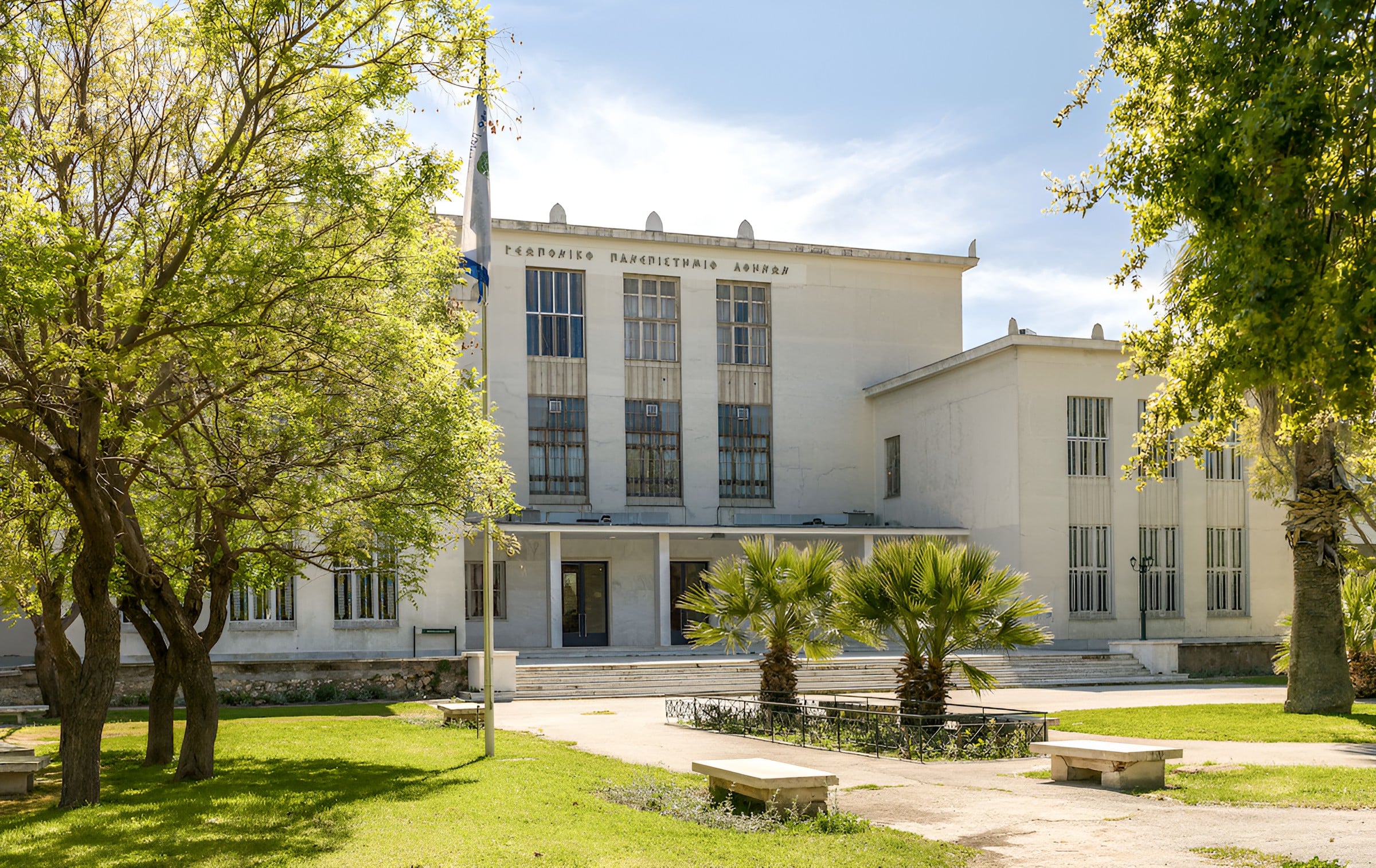
▪️ 10 June – Agricultural University of Athens↗
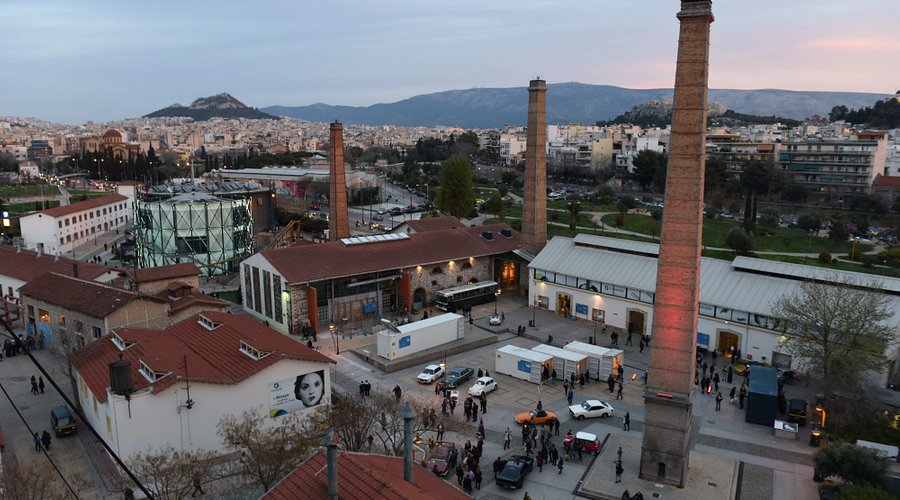
▪️ 11–12 June – Technopolis City of Athens↗
Programme
Book of Abstracts

We are pleased to inform you that the event will be streamed live via the following links:
Don’t miss the opportunity to follow the event live from anywhere!
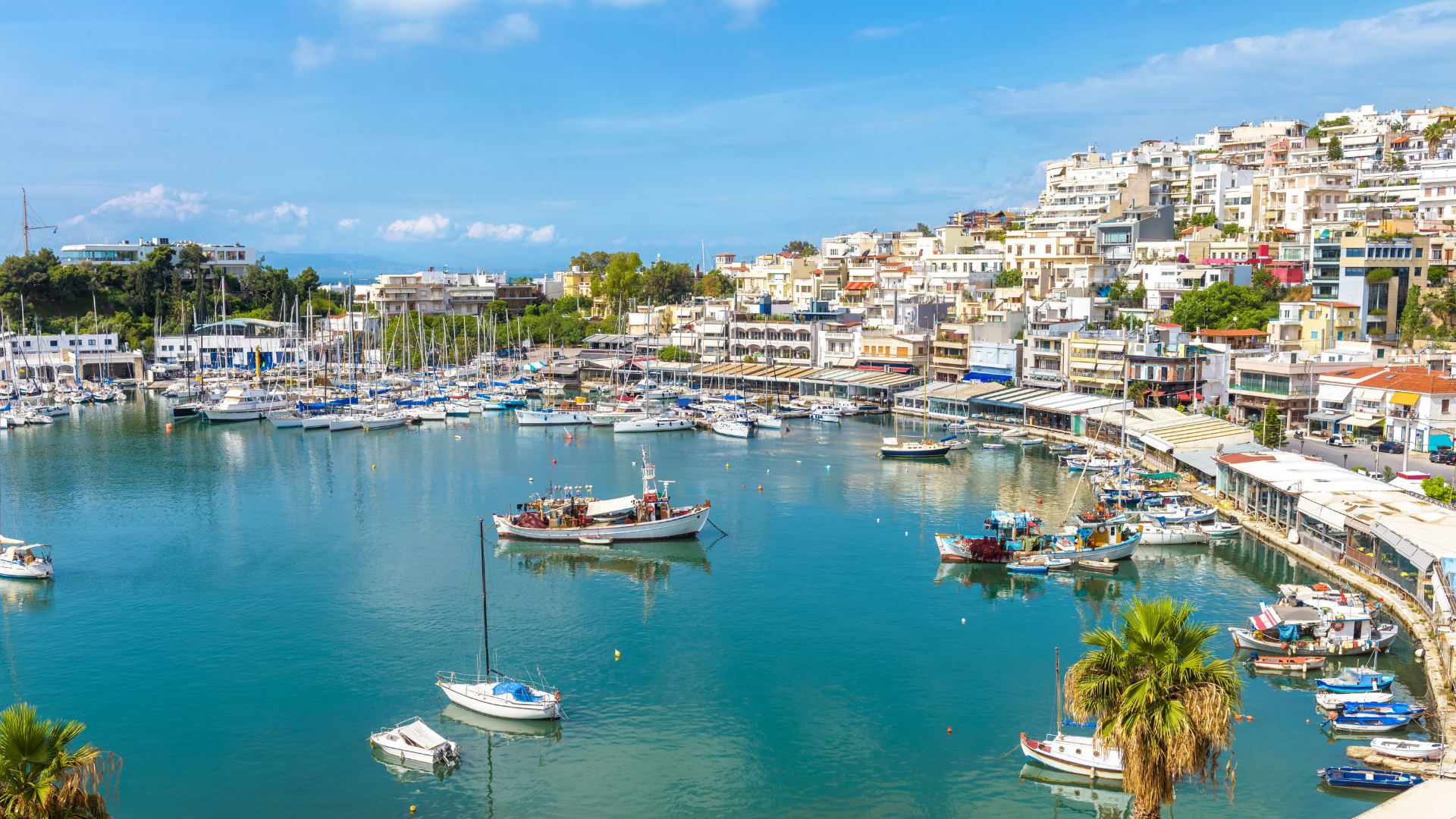
The Agricultural University of Athens (AUA) will host the EU-CONEXUS Conference 2026: Challenges, Innovative Solutions and Collaborative Actions for Sustainable Urban Coastal Development, which will focus on the challenges faced by communities in urban and semi-urban coastal regions (rivers, seas, and oceans).
Such challenges include:
- The development of Smart Coastal Infrastructure for the Mitigation of Disasters
- The Sustainable Management of Waste in the Coastal areas
- The Sustainable Management of Diseases
- The Conservation & Remediation of Soil and the Safety & Quality of Food
- The Protection of Oceans, Seas and Waters
- The Adaption and Mitigation of Global Climate Change in Coastal Environments
The Conference aims to examine the impact of these challenges on society, to highlightthe innovative solutions offered by the scientific community to address these challenges, topresent collaborative actions being taken to face them, and to discover how societyperceives and policy adopts the solutions offered by the scientific community, to cope withthese challenges in a sustainable way.
Countdown until the event
Conference sessions
Session 1: Soil Preservation/Restoration, Healthy Food Production, Disease Management: Innovation and Socio‑Cultural Governance
- Soil degradation results from both human activity and natural processes and is a major socio-economic challenge as it negatively impacts food security, water quality andbiodiversity, worsens urbanization and migration and threatens human survival. Restoring degraded soil is crucial for environmental sustainability, social and economic development and cultural heritage.
- Food security and quality are fundamental to sustaining human life, health, and economic stability. Access to safe food is an indicator of a developed society that improves quality of life and increases life expectancy. Unsafe food contaminated with bacteria, viruses, orchemicals causes million illnesses annually which can lead to hospitalization and death. Climate change threatens global food production by reducing crop yields, decreasingnutritional quality, and damaging livestock and fisheries.
- Effective disease management reduces mortality, minimizes complications, improvesquality of life, lowers healthcare costs and enables handling of both routine care andemergency situations. Proper management of infectious diseases limits transmission, prevents epidemics, and implements measures to combat pathogen resistance. Effective management of non-infectious diseases reduces complications, improves quality of life and enables early intervention. Climate change, which alters pathogen transmission, vector habitats and host susceptibility, as well as environmental pollutants, modernlifestyles, and poor food and water quality contribute to human disease.

Session 2: Protection of Oceans, Seas & Waters and Sustainable Coastal Waste Management through Socio Ecological Transitions
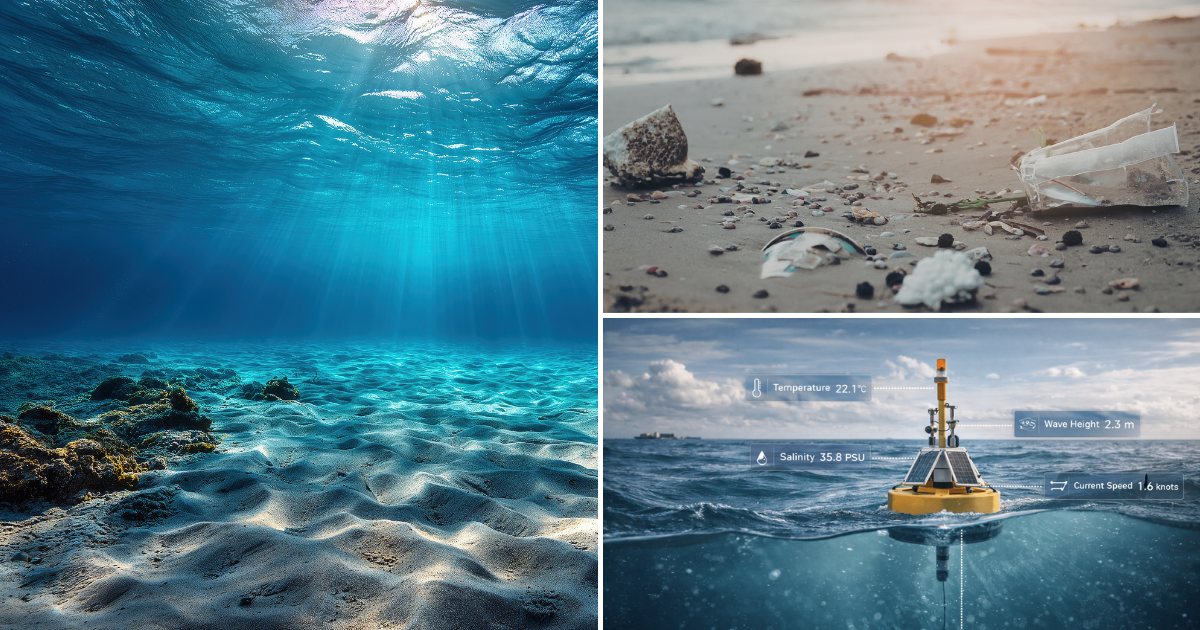
- Coastal and marine ecosystems are increasingly threatened by pollution, unsustainable resource use, habitat degradation and the accelerating impacts of climate change. Oceans, seas and freshwater bodies play a critical role in regulating global climate, supporting biodiversity and maintaining the livelihoods and cultural identity of coastal communities. However, rising sea temperatures, ocean acidification, plastic pollution and poorly managed coastal development are placing these ecosystems under severe stress. To safeguard the ecological integrity of marine environments and ensure long‑term sustainability, urgent measures are required that combine scientific innovation, effective governance, and inclusive socio‑ecological transitions.
- Sustainable coastal waste management addresses challenges posed by accumulating municipal waste, marine litter, microplastics and industrial runoff. Integrated waste management strategies - such as circular economy practices, improved recycling systems, community‑based clean‑up initiatives and sustainable port waste management - help reduceenvironmental pressures on coastal zones.
Session 3: Infrastructure & Nature Based Solutions for Disaster Risk Reduction and Climate Change Adaptation with Local Knowledge & Cultural Practices
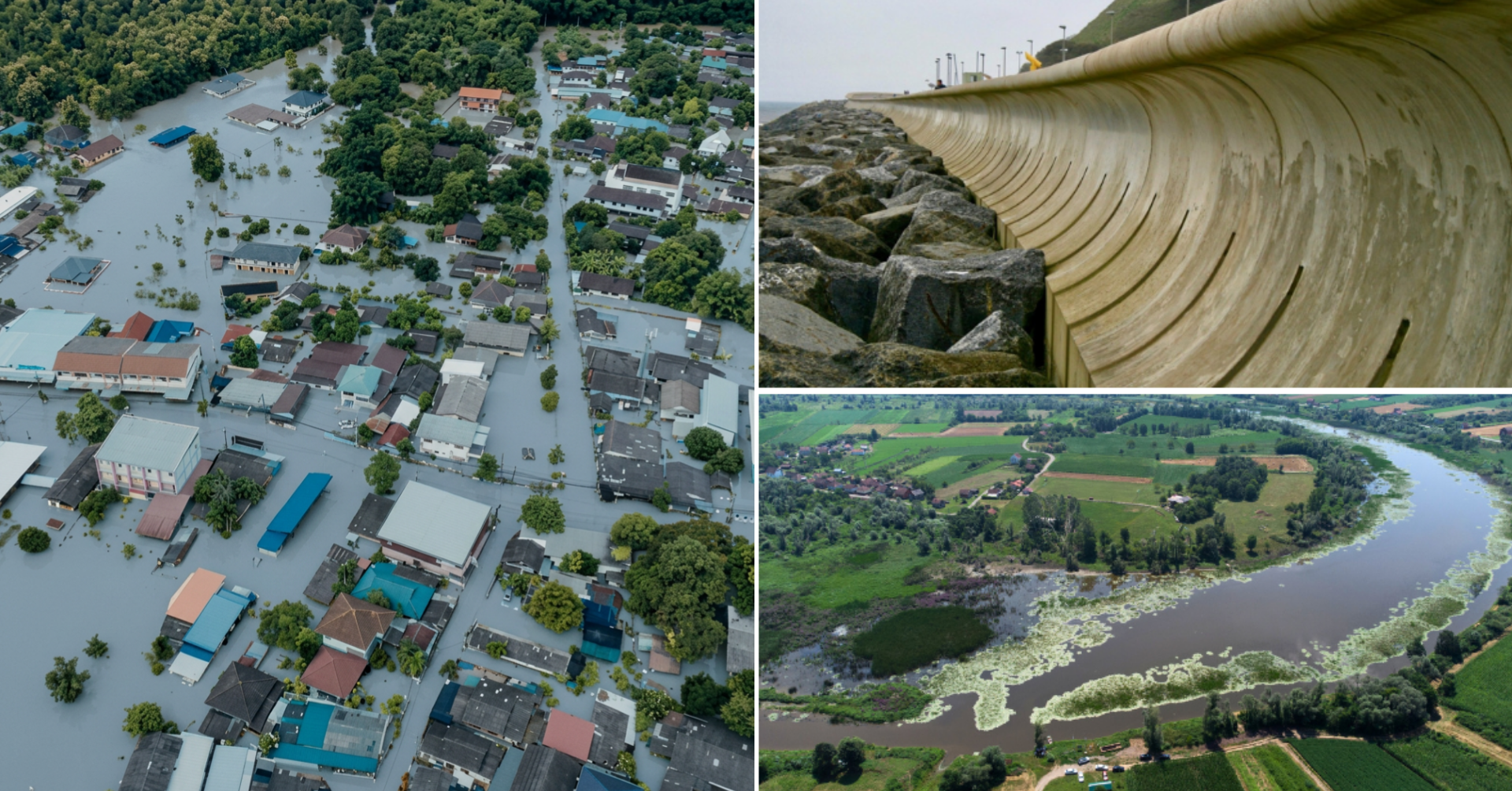
Coastal regions are permanently exposed to natural hazards, such as earthquakes, floods, storms, heat and fires and climate change poses increasing challenges for these regions, intensifying the frequency and severity of natural hazards. Rising sea levels and coastal erosion threaten both natural ecosystems and critical infrastructure, while extreme weather events, such as storms, heavy rainfall and heatwaves are becoming more unpredictable. The combination of extreme heat, prolonged drought and strong winds increases the risk of firesthat can threaten human life and property in semi-urban and urban areas. These phenomena pose significant threats to communities of coastal cities and to the resilience and functionality of coastal infrastructure, and effective disaster risk management is therefore essential to reduce their impact and strengthen adaptive capacity. Understanding and addressing these risks require integrated approaches that combine innovative engineering solutions and astrong collaboration with local communities.
Programme
For the detailed programme, please click here↗.
Wednesday, 10 June 2026 (🔗Agricultural University of Athens, 75 Iera Odos, Athens 118 55)
08:30 – 09:15
Registration & Welcome
09:15 – 09:30
Crossing boundaries, Creating Knowledge: The interdisciplinary Research Institutes of A.U.A.
09:30 – 11:00
Session-1: Soil Preservation/Restoration, Healthy Food Production, Disease Management: Innovation and Socio Cultural Governance
11:00 – 11:30
Coffee Break
11:30 – 13:00
Session-1: Soil Preservation/Restoration, Healthy Food Production, Disease Management: Innovation and Socio Cultural Governance
13:00 – 14:30
Lunch break
14:30 – 15:00
EU-CONEXUS Opportunities for researchers (achievements and prospects)
15:00 – 16:30
Research Area Structures in European University Alliances and Stakeholder Collaboration on Coastal Projects – Collaboration Opportunities
16:30 – 17:00
EU-CONEXUS Opportunities for students (BSc, MSc & PhD) (achievements and prospects)
17:00 – 17:30
Coffee break
17:30 – 19:00
“Break the Ice”: Introduce yourself – Find your future Collaborators/Employers/Supervisors
19:00 – 22:30
Welcome Cocktail Party at A.U.A.
Parallel all-day activity (09:00 – 19:00): EU-CONEXUS Enables Hackathon «Gamifying Agri-tech»
Thursday, 11 June 2026 (🔗Technopolis City of Athens, 100 Pireos Street, Athens, 118 54)
08:20 – 09:00
Registration & Welcome
09:00 – 11:00
Session 2: Protection of Oceans, Seas & Waters and Sustainable Coastal Waste Management through Socio Ecological Transitions
11:00 – 11:30
Coffee Break
11:30 – 12:30
Session 2: Protection of Oceans, Seas & Waters and Sustainable Coastal Waste Management through Socio Ecological Transitions
12:30 – 13:00
Session-3: Infrastructure & Nature Based Solutions for Disaster Risk Reduction and Climate Change Adaptation with Local Knowledge & Cultural Practices
13:00 – 14:30
Lunch break
14:30 – 17:00
Session-3: Infrastructure & Nature Based Solutions for Disaster Risk Reduction and Climate Change Adaptation with Local Knowledge & Cultural Practices
17:15 – 19:30
Cultural Tour: Guided Tour of the Acropolis Museum, followed by a walking tour through the historic center of Athens, including Vyronos Street, the Monument of Lysicrates, the Roman Agora, and concluding in Monastiraki.
Parallel all-day activity (09:00 – 17:00): EU-CONEXUS Enables Hackathon «Gamifying Agri-tech»
Friday, 12 June 2026 (🔗Technopolis City of Athens, 100 Pireos Street, Athens, 118 54)
08:30 – 09:00
Registration
09:00 – 11:00
Posters’ session
11:00 – 11:30
Coffee break
11:30 – 13:00
Parallel Round Tables on:
Soil Preservation / Restoration, Healthy Food Production, Disease Management: Innovation and Socio Cultural Governance
Protection of Oceans, Seas & Waters and Sustainable Coastal Waste Management through Socio Ecological Transitions
Infrastructure & Nature Based Solutions for Disaster Risk Reduction and Climate Change Adaptation with Local Knowledge & Cultural Practices
13:00 – 14:30
Lunch break
14:30 – 16:00
Parallel Workshops on EU Calls:
Soil Preservation / Restoration, Healthy Food Production, Disease Management: Innovation and Socio Cultural Governance
Protection of Oceans, Seas & Waters and Sustainable Coastal Waste Management through Socio Ecological Transitions
Infrastructure & Nature Based Solutions for Disaster Risk Reduction and Climate Change Adaptation with Local Knowledge & Cultural Practices
Funding Opportunities for beginners
16:10 – 17:00
Hackathon Showcase
17:00 – 18:30
Hackathon’s Awards & Closing Ceremony
Keynote Speakers
Session 1
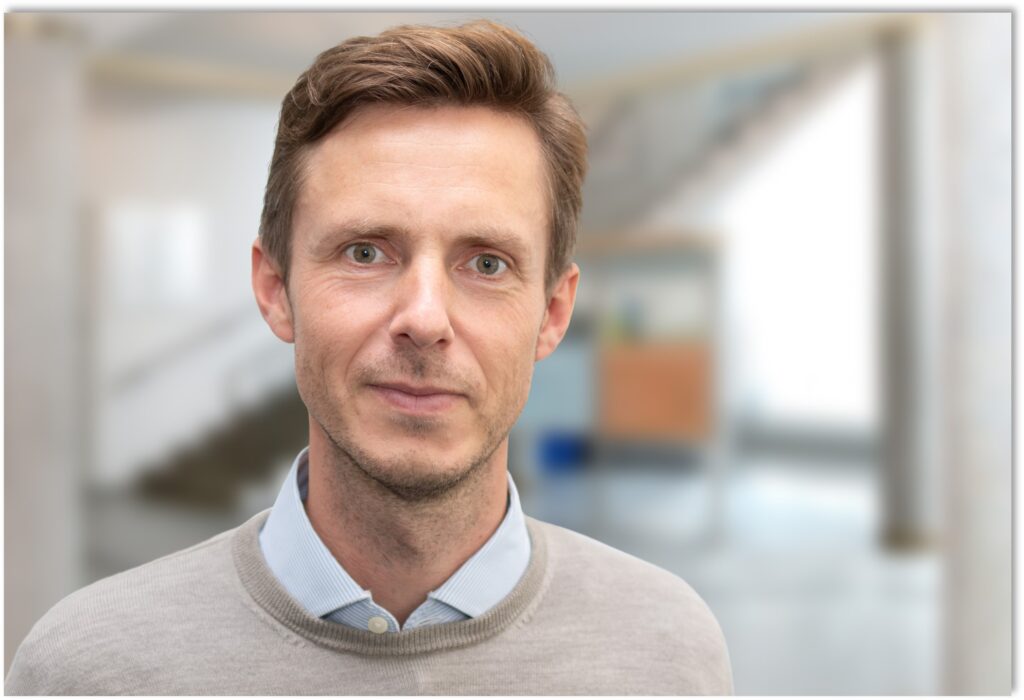
Dr. Philipp Wree
Head of Division Bioeconomy – Smart Farming, Fraunhofer Institute for Computer Graphics Research
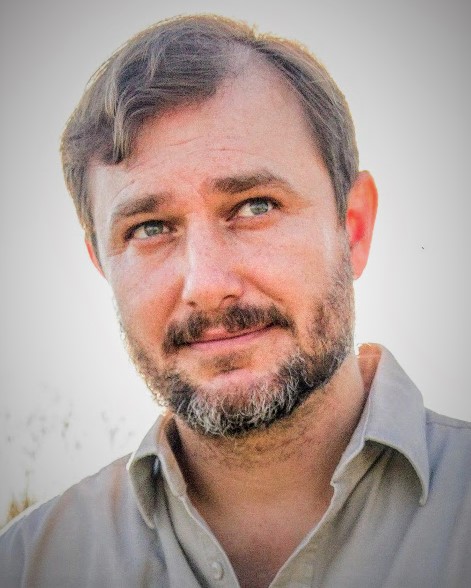
Prof. Lukáš Kalous
Department of Zoology and Fisheries, Czech University of Life Sciences Prague
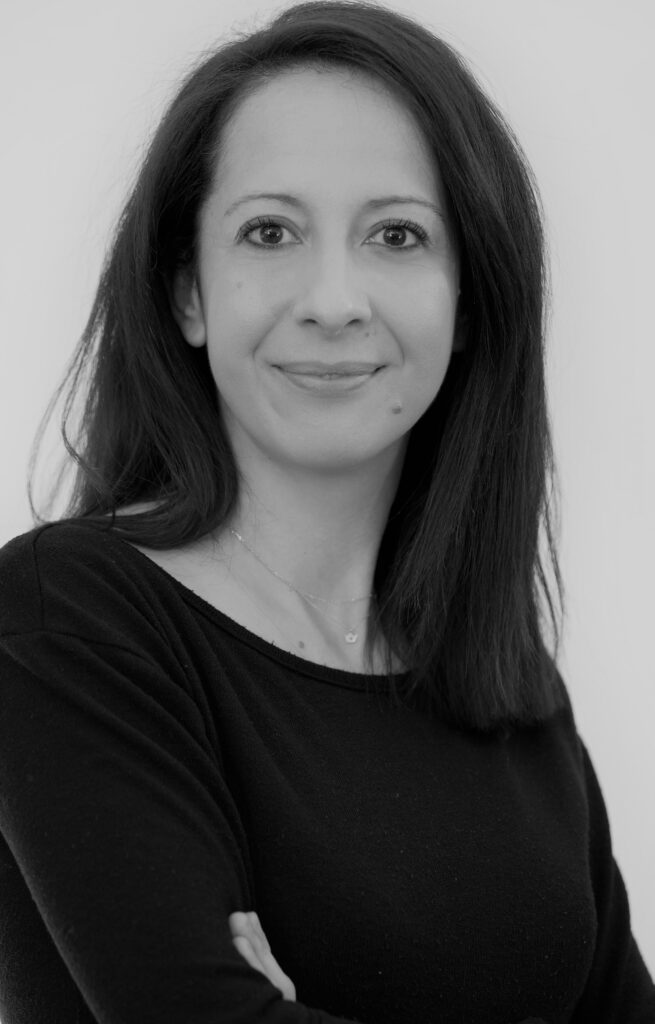
Prof. Theofania Tsironi
Laboratory of Food Process Engineering, Department of Food Science and Human Nutrition, Agricultural University of Athens
Session 2
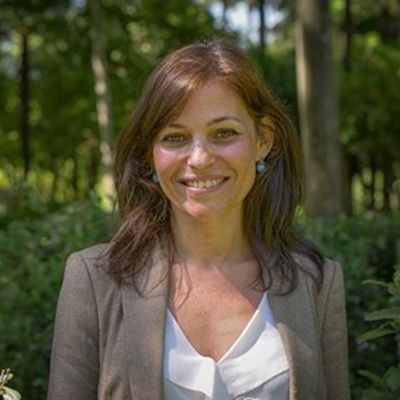
Dr. Cristina Huertas-Olivares
European Research Infrastructure Consortium (LifeWatch ERIC)
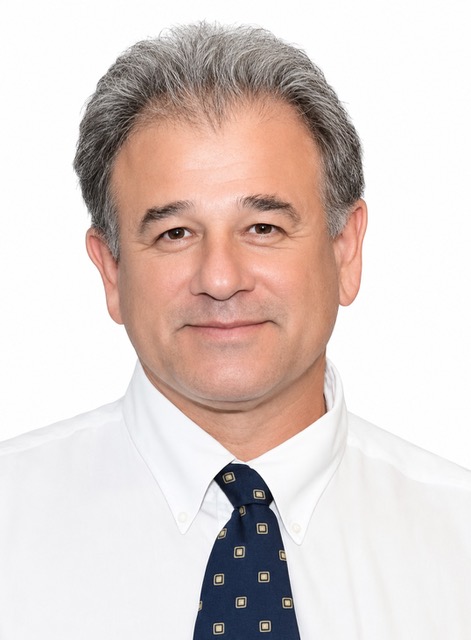
Dr. George Triantafyllou
Research Director, Institute of Oceanography, Hellenic Centre for Marine Research (HCMR)
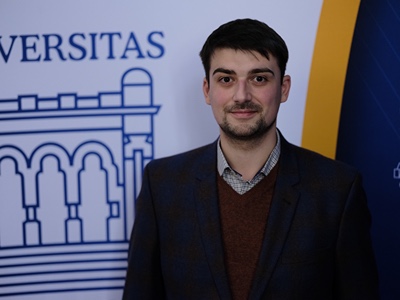
Prof. Stefan Mihai Petrea
Vice-Dean, Faculty of Food Science and Engineering, "Dunărea de Jos" University of Galați
Session 3
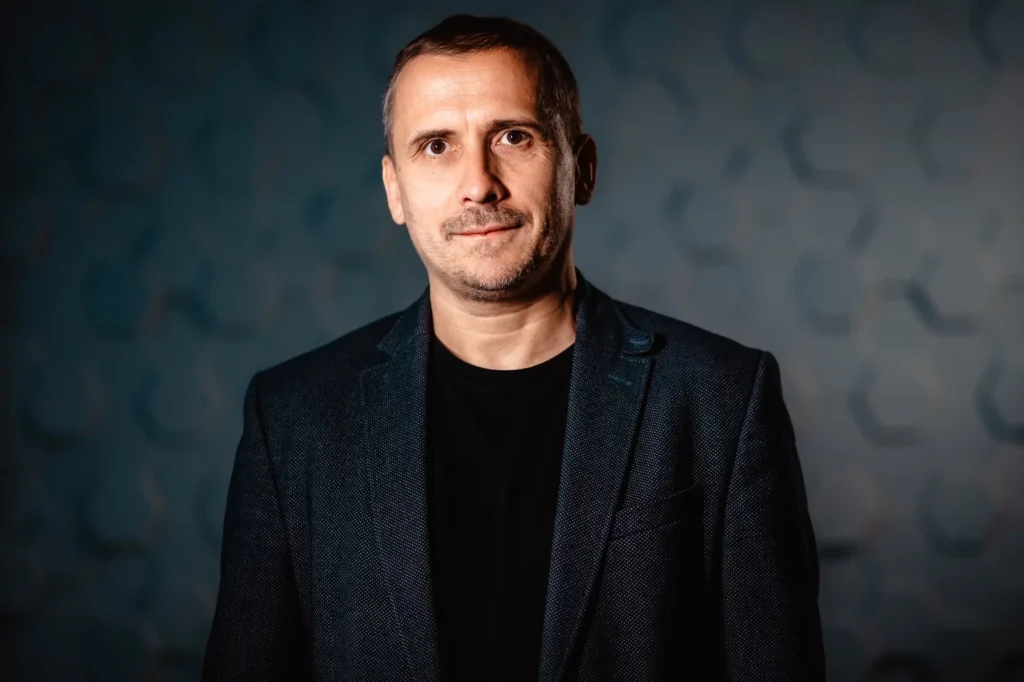
Prof. Viorel Popa
Vice Rector, Department of Reinforced Concrete Constructions, Technical University of Civil Engineering Bucharest (UTCB)
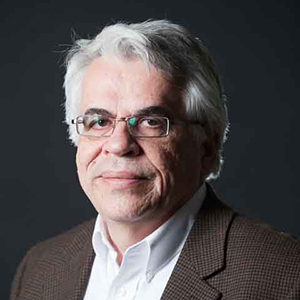
Prof. Michael Triantafyllou
Director, MIT Sea Grant Program; Henry L. and Grace Doherty Professor in Ocean Science and Engineering, Department of Mechanical Engineering, Massachusetts Institute of Technology (MIT)
Lecturer Viktorija Jakubauskytė-Andriulienė
Communication Lecturer, LCC International University (Klaipėda) and Vilnius Gediminas Technical University (Vilnius)
Organizing Committee
Prof. Emmanouil Flemetakis
Vice Rector for Academic and Administrative Affairs, Lifelong Learning and Outreach, Agricultural University of Athens
Vera Charitou
EU-CONEXUS Institutional Coordinator, Agricultural University of Athens
Dr. Aikaterini Kalliampakou
EU-CONEXUS Institutional Research Manager, Agricultural University of Athens
Foteini Paradeisi
EU-CONEXUS Institutional Communication Manager, Agricultural University of Athens
Dr. Evanthia Chatzoglou
EU-CONEXUS "Research Back into Education" Coordinator, Agricultural University of Athens
Asst. Prof. Sophie Mavrikou
Department of Biotechnology, Agricultural University of Athens
Christos Vatistas
PhD Candidate, Department of Natural Resources Development and Agricultural Engineering, Agricultural University of Athens
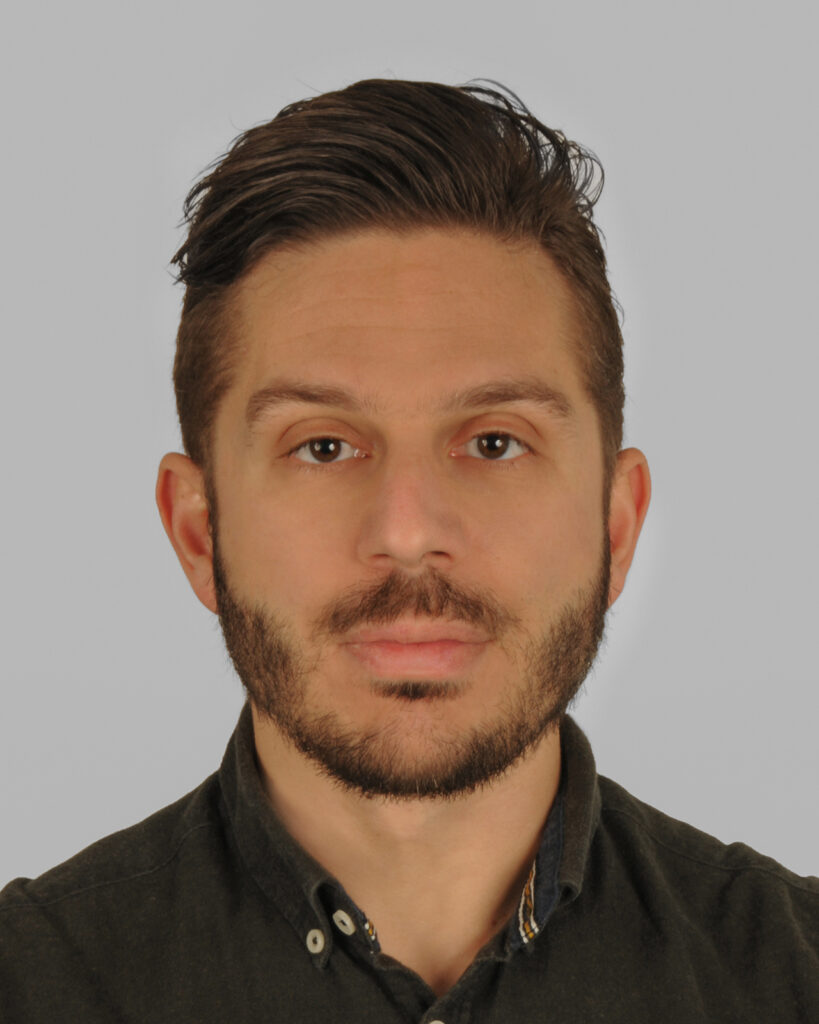
Asst. Prof. Dimitrios Skliros
Department of Biotechnology, Agricultural University of Athens
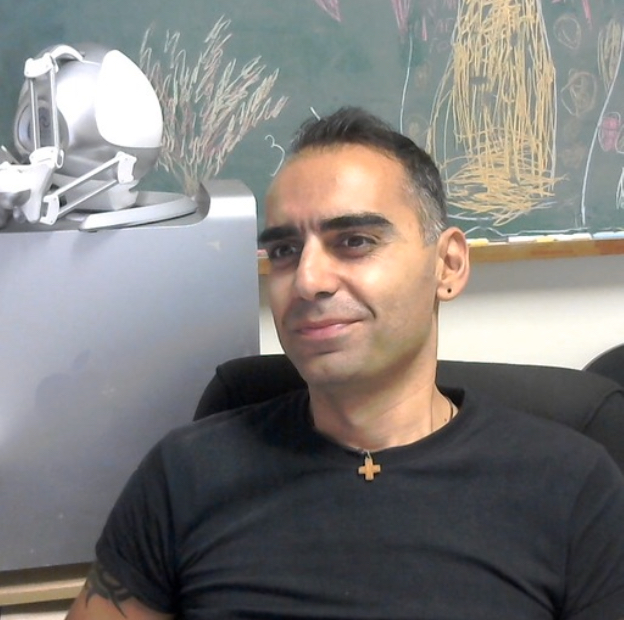
Assoc. Prof. Dimitrios P. Vlachakis
Department of Biotechnology, Agricultural University of Athens

Dr. Eleni Papakonstantinou
Research Associate, Department of Biotechnology, Agricultural University of Athens
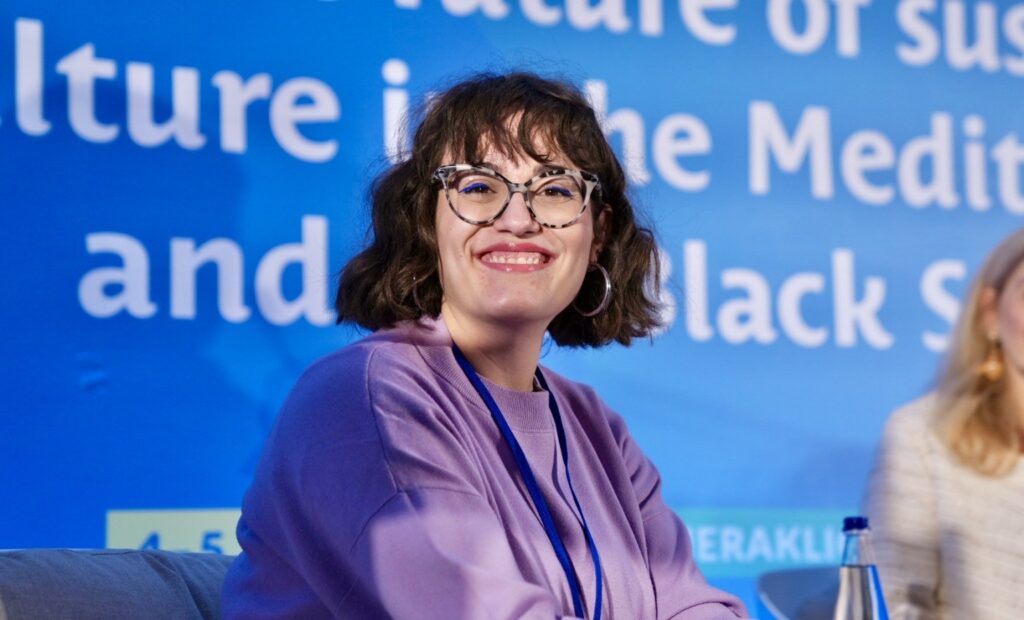
Christina Zantioti
EU-CONEXUS Student Engagement Officer, Agricultural University of Athens
Registration
- The registration form will remain open until 09 April 2026 for abstract submission.
- Abstract submissions must be completed by the presenting author.
- Participants who do not intend to submit an abstract, including keynote speakers, must select “Registration Only” under the Registration Category.
If you encounter any problem with your registration, please contact 📧 euconexus@aua.gr.
Online registration has now closed. Participants who have not yet registered may do so on-site at the event venue.
Venues
🛬 Getting to the City Centre from Athens International Airport
Athens International Airport “Eleftherios Venizelos” is located approximately 40 km from the city centre.
🚇 Metro (Line 3 – Blue Line)
Metro Line 3 connects the airport directly to the city centre (Syntagma, Monastiraki, Kerameikos etc.).
- Duration: approx. 40 minutes
- Ticket price: approx. €9 (student discounts may apply)
🚌 Airport Express Buses
Several express buses operate 24/7:
X95 → Syntagma Square (City Centre)
X96 → Piraeus Port
X93 → Intercity Bus Terminals
- Duration: 45–70 minutes (depending on traffic)
- Ticket price: approx. €5.50
🚖 Taxi
Taxis are available outside the arrivals area.
- Duration: approx. 30–40 minutes
- Fixed fare to city centre: approx. €40 - €55
Ride-hailing apps such as FREE NOW and Uber (licensed taxis) are also available.
🚍 How to Move Around Athens
Athens has an extensive and affordable public transport network, including metro, buses, tram, and suburban railway.
🚇 Metro
The fastest and most convenient way to get around the city. The network includes 3 lines connecting the city centre with major areas and the airport.
Both conference venues are within walking distance of Kerameikos metro station (Line 3 – Blue Line).
🚌 Buses & Trolleybuses
Cover the entire metropolitan area. Affordable and frequent, but often subject to traffic delays.
🚊 Tram
Connects the city centre with the southern coastal areas (e.g., Glyfada, Voula).
🚖 Taxis & Ride Apps
Taxis are widely available and relatively affordable for short distances.
Ride-hailing apps such as FREE NOW and Uber (licensed taxis) operate in Athens.
🎫 Tickets
- A standard single ticket (valid for 90 minutes across metro, buses and tram within the city) costs approximately €1.20.
- Tickets (including also 24-hour and multi-day passes) can be purchased from ticket machines and ticket offices at metro and tram stations.
- You may also pay contactless with Visa or Mastercard directly at metro gates and on buses and trams. The system automatically applies the standard fare, with a daily cap of €4.10.
- For routes, maps and real-time information, please visit the official Athens public transport website (🔗here).
🛏️ Where to stay? Possible hotels in the city centre...
Hotels:
L’Avventura Athens Hotel (“Monastiraki’’) https://lavventura.gr/hotel/
Brown Acropol (METRO STATION “OMONIA”)
Stanley Hotel (METRO STATION “METAXOURGHIO”)
Polis Grand Hotel (METRO STATION “OMONIA”)
Dorian Inn Hotel (METRO STATION “OMONIA”)
Niki Hotel Athens Vegan Hotel (METRO STATION “SYNTAGMA”)
Electra Palace Hotel Athens, Plaka Area (METRO STATION “SYNTAGMA”)
https://www.electrahotels.gr/en/athens/electra-palace-athens/
AirbnBs
Athensis- Apartments
Multiple locations Requests for discounts or invoices can be directed prior to booking to info@athensis.gr https://athensis.gr/
House Loft For large groups (5 bedroom loft)
https://www.houseloft.gr/el/our-properties/houseloft-viewpoint-athens/
Call for abstracts
Submission Procedure
- To submit their abstract, presenters are requested to fill the Registration Form and tick the box: Submission of Scientific Abstract & Registration
- Presenters are kindly asked to submittheir topic abstracts no later than 09 April 2026.
- For detailed guidelines on abstract submission, please refer to the 🔗 Instructions for Abstract Submission document.
📧 For any further clarification, please contact euconexus@aua.gr.
Presentation Formats
Submitted abstracts may be presented either as oral presentations or posters.
The final selection of oral presentations will be made by the Scientific Committee. All other accepted abstracts will be presented as posters.
Scientific Committee
The abstracts’ evaluation will be carried out by our Scientific Committee comprising the following researchers:
Prof. Emmanouil Flemetakis
Agricultural University of Athens
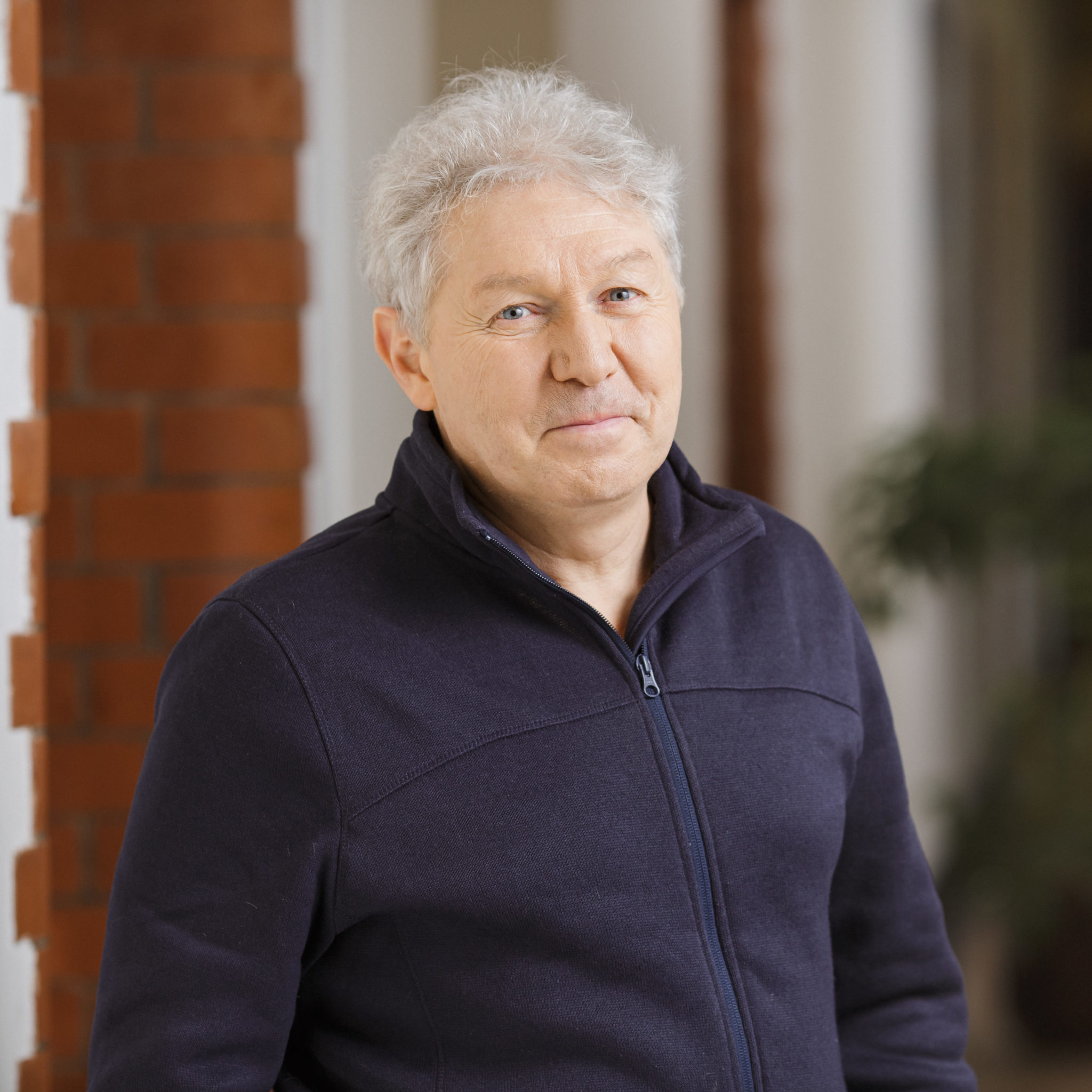
Prof. Artūras Razinkovas-Baziukas
Klaipeda University
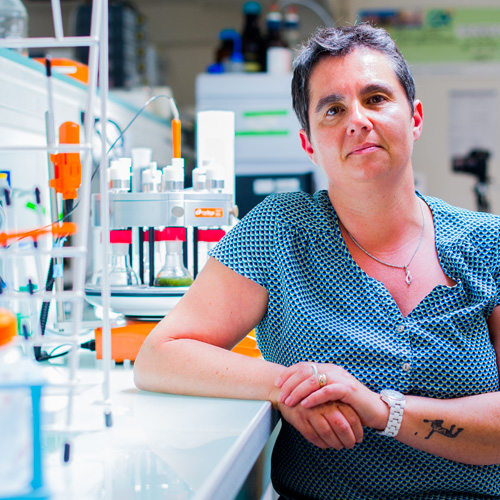
Prof. Ingrid Arnaudin
La Rochelle University
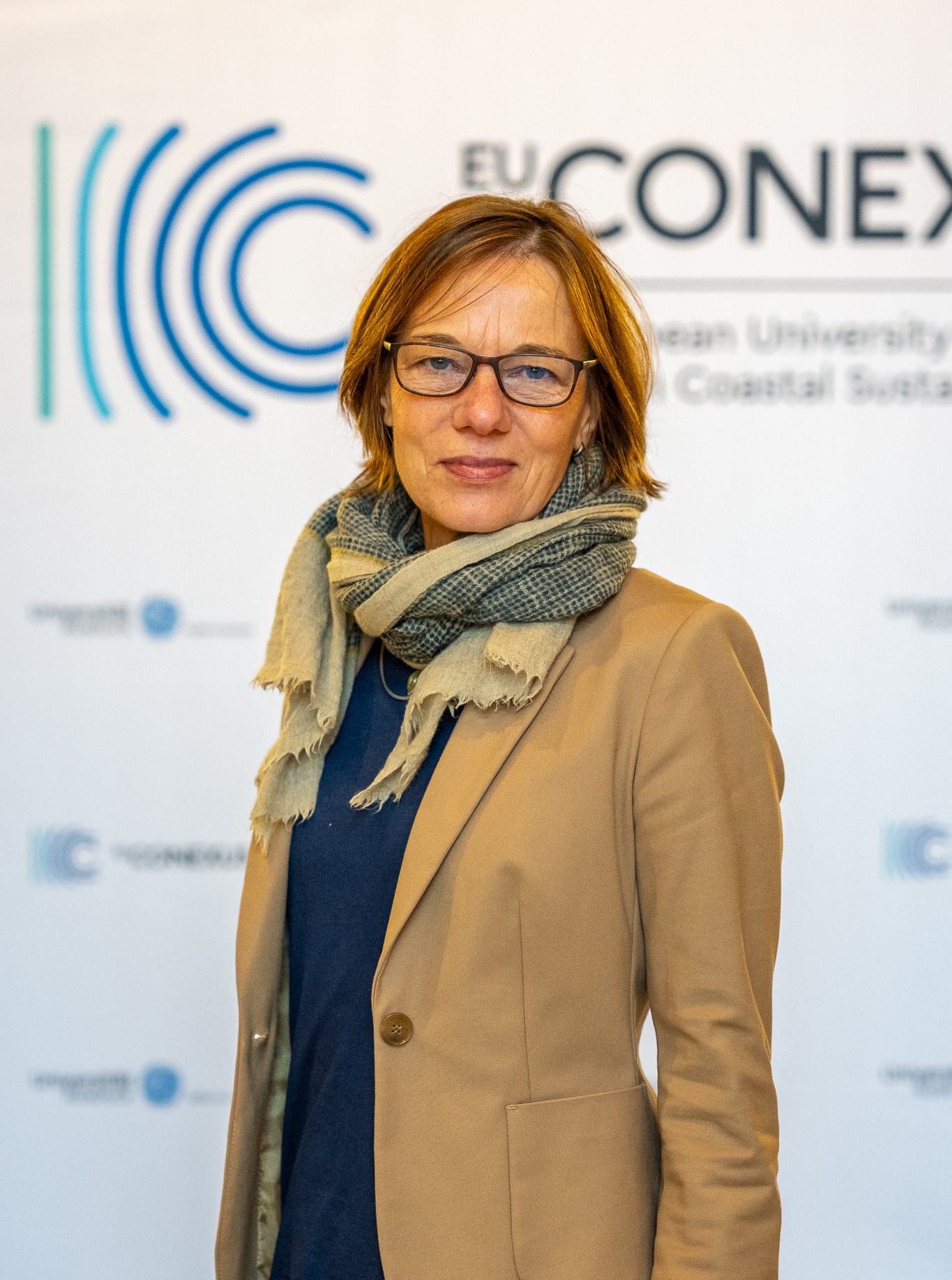
Prof. Bettina Eichler-Löbermann
University of Rostock
Prof. Florin Baltaretu
Technical University of Civil Engineering of Bucharest
Prof. Ilinca Nastase
Technical University of Civil Engineering of Bucharest
Prof. Juan Sapena
Catholic University of Valencia
Prof. Alan Davy
South East Technological University
Prof. Zvjezdan Penezić
University of Zadar
Prof. Michalis Menicou
Frederick University