small-conexus-logo
  • About us
      For
    • Who we are
    • Structure
    • EU-CONEXA
    • Cooperations & Partnerships
    • Documents & Policies
  • News
  • Events
  • Calls
  • Projects
  • Contacts

FOR


  • Students
      For For Students
    • Studies
    • Mobility
    • Campus life
  • Researchers
      For For Researchers
    • Contact Point for Technology Transfer and Innovation (CONTI)
    • Project Development Support
    • Research Facilities
    • Research & Innovation Information System
    • PhD and postdoc opportunities
    • Joint Research Area
    • Scientific Journals & Publications
    • Mobility
    • Calls
  • Teaching staff
      For
    • EU-CONEXUS Project Development Support Office (PDSO)
    • ODSO services
    • Call for visiting teachers
    • Mobility
    • Contact Point for Technology Transfer and Innovation (CONTI)
    • Calls
  • Schools
      For
    • School Contest
    • Cooperation Opportunities
  • Administrative staff
      For For Staff
    • Mobility opportunities
    • Calls
  • Stakeholders
SMART CAMPUS
Search Search
Version for disabled
SMART CAMPUS
Search Search
logo

Religious Conversions, Slavery and Human Trafficking between the two Adriatic Coasts (16th – 17th century)
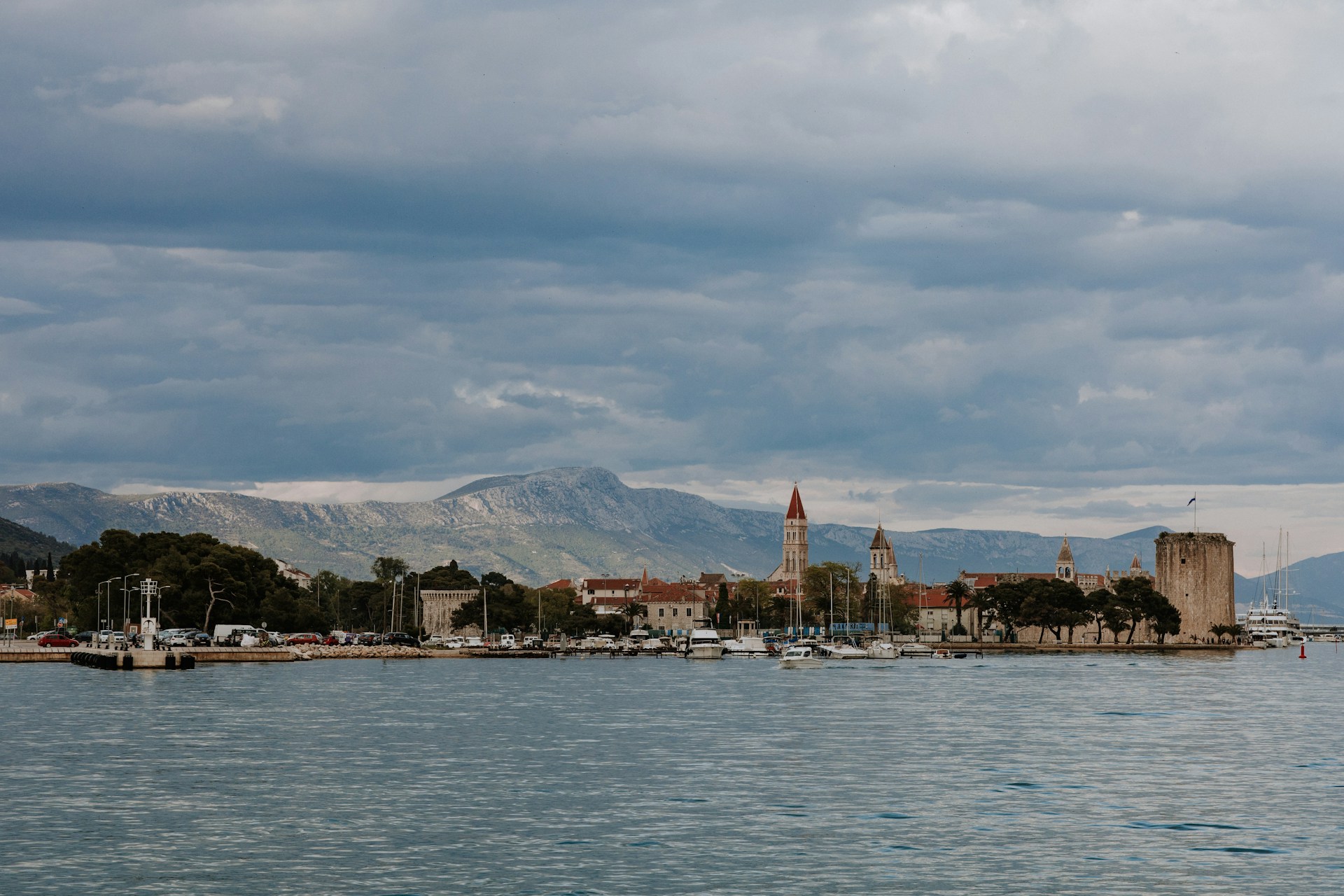
Religious Conversions, Slavery and Human Trafficking between the two Adriatic Coasts (16th – 17th century)

Religious Conversions, Slavery and Human Trafficking between the two Adriatic Coasts (16th - 17th century)

Short description of the course:

The issue of slavery and human trafficking in the 16th and 17th centuries on the eastern Adriatic coast is a challenging research topic. In these two centuries, due to the very intense and changing Venetian-Ottoman relations, marked by four wars, there have been fateful demographic, ethnic and confessional changes that have left (almost indelible) traces in this area. It can be said that voluntary and forced migration gave the stamp to this period, and among the forced are certainly those caused by war events and human trafficking. However, unlike medieval human trafficking in the eastern Adriatic, which has been relatively well processed, the issue of Christian and Muslim slavery in the 16th and 17th centuries is not sufficiently known, and it can even be said, at least when it comes to the 16th century, that the numerous (but scattered) archive sources that testify to it have been neglected. During the course, the students will have opportunity to get known with the rich archival sources as well as main scientific literature on human trafficking, slavery, religious conversions, especially in view of the Venetian-Ottoman conflicts in the 16th and 17th centuries, migratory processes in the border area between the Venetian Republic and the Ottoman Empire, and the intensive presence and transactions of human traffickers from the Peninsula on the eastern Adriatic. It will seek to determine to what extent Christianity on the one hand and Islam on the other, justified or disputed the phenomenon of slavery through the theological thought of that time and to what extent it was conditioned by state policies. As part of this course, students will comprehend the influence of political, religious and economic interests, especially of the Venetian Republic, the Ottoman Empire, the Naples Empire and the Papal State on the issue of slavery and human trafficking during the turbulent 16th and 17th centuries.

Learning outcomes:

At the end of this course, participants will be able to:

  • have a better comprehension of the transition of enslaved people and their final destinations and destinies, and provide a clearer picture of their origin, as well as of the origin and share of human traffickers on the eastern Adriatic coast;
  • understand causal links between religious conversions during the Venetian-Ottoman wars in the 16th and 17th centuries, their influence on the dynamics and progressiveness of the phenomenon of slavery and human trafficking in peacetime and war conditions in the eastern Adriatic region;
  • understand dichotomy between state and church legislation and concrete practice in terms of slavery and human trafficking. dissemination of the share of enslaved people by their ethnic, religious, gender and age affiliation.

University

UNIZD

Teacher/Course Responsible

Zdenko Dundovic

Max no of students

30

Min no of students

10

Language

English

ECTS

3

Number of contact hours (teaching hours)

15

Hours of study autonomous individual work

30

Period – dates

May-June

Application deadline

29.04.2026

Timetable/hours

Tuesday
May 5 2026 (14:00 – 16:00)
Tuesday
May 12 2026 (14:00 – 16:00)
Tuesday
May 19 2026 (14:00 – 16:00)
Tuesday
May 26 2026 (14:00 – 16:00)
Tuesday
June 2 2026 (14:00 – 16:00)
Tuesday
June 9 2026 (14:00 – 16:00)

Teaching mode

Virtual

How to apply?

In order to register for the course/courses, you need to:

Complete the Registration Form where you need your PhD/postdoctoral Supervisor and after send it to the university e-mail address (check e-mail addresses here, bottom of the page) where you are enrolled already as a student/research fellow.

See us

🌍 𝗦𝘁𝘂𝗱𝘆𝗶𝗻𝗴 𝗶𝗻 𝘀𝗲𝘃𝗲𝗿𝗮𝗹 𝗘𝘂𝗿𝗼𝗽𝗲𝗮𝗻 𝗰𝗼𝘂𝗻𝘁𝗿𝗶𝗲𝘀 𝘀𝗵𝗼𝘂𝗹𝗱 𝗻𝗼 🌍 𝗦𝘁𝘂𝗱𝘆𝗶𝗻𝗴 𝗶𝗻 𝘀𝗲𝘃𝗲𝗿𝗮𝗹 𝗘𝘂𝗿𝗼𝗽𝗲𝗮𝗻 𝗰𝗼𝘂𝗻𝘁𝗿𝗶𝗲𝘀 𝘀𝗵𝗼𝘂𝗹𝗱 𝗻𝗼𝘁 𝗺𝗲𝗮𝗻 𝗳𝗮𝗰𝗶𝗻𝗴 𝗳𝘂𝗻𝗱𝗶𝗻𝗴 𝗯𝗮𝗿𝗿𝗶𝗲𝗿𝘀.

Together with 7 European University Alliances, EU-CONEXUS is advocating for 𝗘𝗿𝗮𝘀𝗺𝘂𝘀+ 𝗞𝗔𝟭𝟯𝟭 funding to better support students enrolled in #Joint Programmes.

🎓 More mobility
🤝 More opportunities
🌍 More accessible European education

Because mobility is not an add-on in Joint Programmes — it’s part of the learning journey.

🔗  𝗗𝗶𝘀𝗰𝗼𝘃𝗲𝗿 𝘁𝗵𝗲 𝗶𝗻𝗶𝘁𝗶𝗮𝘁𝗶𝘃𝗲 𝘃𝗶𝗮 𝘁𝗵𝗲 𝗹𝗶𝗻𝗸 𝗶𝗻 𝗯𝗶𝗼.

#EUCONEXUS #EuropeanUniversities #ErasmusPlus #EuropeanDegree
Learning doesn’t only happen in the classroom. 🤭 Learning doesn’t only happen in the classroom. 🤭

How can students gain international experience, contribute to real research and turn ideas into reality? This was exactly the focus of our event “Adventure with Added Value” aboard the Stephan Jantzen.

At the centre of the evening: Sail CONEXUS – a student-led project showing what becomes possible when students in the EU-CONEXUS community are given the space and support to shape their own experiences. ⛵️

What started as a project idea brought students from Rostock, Klaipėda and Zadar together for a journey across the Baltic Sea. On board the UNIVERSITAS, they combined sailing with hands-on marine research, collecting environmental data on water temperature, salinity and oxygen levels. 🌊

During the event, Theobald Goltz shared personal insights into life on board, while Dr. Michael Naumann (IOW) explained why long-term environmental monitoring in the Baltic Sea matters. A special highlight: participants could try out the open-source HyFiVe measuring device themselves on deck.

Sail CONEXUS shows how meaningful learning can happen beyond the classroom, when students are trusted to explore ideas, take responsibility and learn through real experiences.

#EUCONEXUS #BeyondTheClassroom #StudentProjects #balticsea #europeanuniversities
✨ Strengthening student leadership across Europe 🇪 ✨ Strengthening student leadership across Europe 🇪🇺

EU-CONEXUS took part in the 3rd ESU Conference of the Alliances in Malta from May 1–5, represented by Student Board member Stefanaki Athanasia-Elli.

Under the theme “Leading Together: Strengthening Student Communities and Leadership Across Europe,” the conference brought together student representatives from across Europe to exchange ideas and discuss the future of higher education.

The programme focused on strengthening collaboration between alliances, discussing quality assurance and the future European Degree label, and highlighting the importance of student voices in alliance governance and decision-making processes.

Alongside inspiring workshops and discussions, the event also created opportunities for networking, new partnerships, and meaningful connections among students across Europe. 🚀

#ESU #EuropeanUniversities #HigherEducation #EuropeanEducationArea #StudentVoices
Alumni Spotlight #1 | Stepping Forward Getting in Alumni Spotlight #1 | Stepping Forward

Getting involved doesn’t just build your CV — it shapes who you become.

🏆 Recently awarded the SETU President’s Volunteering Award, Ashkan reflects on the value of saying yes, taking initiative, and making the most of opportunities beyond your studies.

His journey is a reminder that growth happens when you step forward.

🎬 Watch the final clip to hear his advice.

#EUCONEXUS #CareerNetwork #AlumniNetwork #europeanuniversities
You have more experience than you think. It’s jus You have more experience than you think.

It’s just about knowing how to explain it.

JobTeaser gives you tools and guidance to turn your experience into strong applications.

🎁 Sign up this May and June for a chance to win a 11” Lenovo Tablet with Stylus.

👉 link in bio

⚠️T&C’s available on the EU-CONEXUS Career Centre webpage.

#EUCONEXUS #CareerNetwork #europeanuniversities #jobteaser #careeropportunities
Not sure what direction to take after university? Not sure what direction to take after university?

You don’t need to have it all figured out.

On #EUCONEXUS JobTeaser, you can explore career paths, discover your strengths, and start making informed choices about your future.
 

🎁 Sign up this May for a chance to win a 11” Lenovo Tablet with Stylus.

👉 link in bio

⚠️T&C’s available on the EU-CONEXUS Career Centre webpage. Ensure to like this post to get noticed!
#jobteaser #europeanuniversities #career #careercentre
Colleagues at @setuireland Wexford Campus particip Colleagues at @setuireland Wexford Campus participated in the #EUCONEXUS Teaching Academy yesterday. 🤩

The topic covered by Tomas Dwyer was Research-Based Approaches in Teaching.

As part of the training, the group also explored the case study method of teaching in the context of AI.

It was a productive day with fruitful discussions and valuable learnings. 🤝

Missing from photo: Charles, Emmet, Veronica and Catriona.

#EUCONEXUS #TeachingAcademy #partnership #europeanuniversities
💻 Digital learning has become so normal in formal 💻 Digital learning has become so normal in formal education that we rarely stop to check in:

How does it actually feel from the pupils’ perspective?
In a recent study, researchers from @klaipedauniversity collaborated with pupils across multiple Lithuanian schools to better understand how children experience AI-powered learning platforms over time.

Curious to know what they found? 🧐

Read the research summary on the “news” section of our website 👆#euconexus #europeanuniversities #digitallearning #education

Info

  • Who we are
  • Visual identity
  • FAQ

Policy

  • Privacy policy
Facebook link Instagram link Twitter link Linkedin link Youtube link
Eu Conexus Eu Conexus

© 2020 euconexus

all rights reserved

Eu Conexus

Disclaimer: Funded by the European Union. Views and opinions expressed are however those of the author(s) only and do not necessarily reflect those of the European Union or European Commission and EU executive agencies. Neither the European Union nor the granting authority can be held responsible for them.

  • Historical development of identity verification in Australian betting by Betzoid Australia
  • How Betzoid Examines German Football League Statistical Patterns
  • Understanding Football Betting Regulations Worldwide Through Betzoid's Educational Approach
x
Field is required.