EU-CONEXUS ENABLES Hackathons 2026
As part of the EU-CONEXUS Enables project, six hackathons, hosted at six partner universities:

will be organised with a purpose to provide a dynamic platform where experts, researchers, students, city officials, and stakeholders come together to tackle real-world challenges relevant to the EU-CONEXUS network and coastal cities. Participants will work in multidisciplinary teams to develop innovative, practical, and scalable solutions to complex urban issues.
Why we are doing this:
Our goal is to strengthen stakeholder engagement.
We seek to increase citizen involvement through a series of hands-on activities.
Support cities in building the skills, confidence, and partnerships.
Design, implement, and replicate digital solutions for healthier and more sustainable urban environments.
Themes and timeline
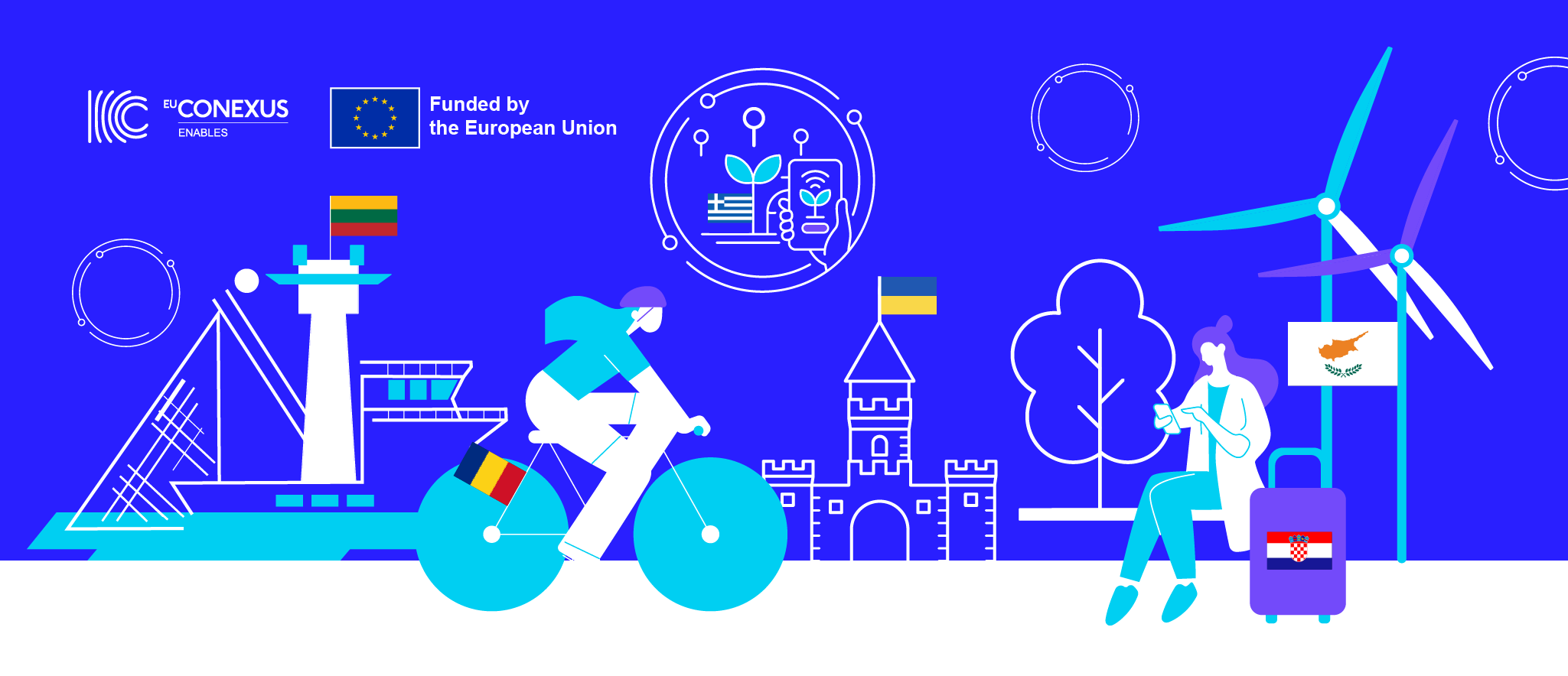
All hackathons will be designed to encourage creativity, rapid prototyping, and collaboration across sectors and disciplines – ensuring strong links between research, innovation, and real city needs.
10-12 March, 2026
Technical University of Civil Engineering Bucharest, Romania
Living Map of Cycling Mobility in Sector 2
To Be Announced
Frederick University, Cyprus
Decarbonising Port Operations through Smart Energy and Digital Twin Solutions
To Be Announced Soon
15-16 April, 2026
University of Zadar, Croatia
Smart Zadar – Digital Solutions for Sustainable Tourism
To Be Announced Soon
10-12 June, 2026
Agricultural University of Athens, Greece
Gamifying Agricultural & Biotech education
25-27 September, 2026
Klaipeda University, Lithuania
International Port Technology Hackathon
To Be Announced Soon
To Be Announced
Odessa National University Ukraine
Digital Twins for Cultural Heritage Preservation
To Be Announced Soon
Who can join?
Teams must include 3–5 participants and are encouraged to be multidisciplinary, bringing together representatives from:

Researchers and academic staff

Students and early-career innovators

City representatives and practitioners

Industry and technology partners

NGOs, associations, and civil society stakeholders

This is a unique opportunity to network, co-create solutions, and learn from peers across the EU-CONEXUS partner network
Mentors
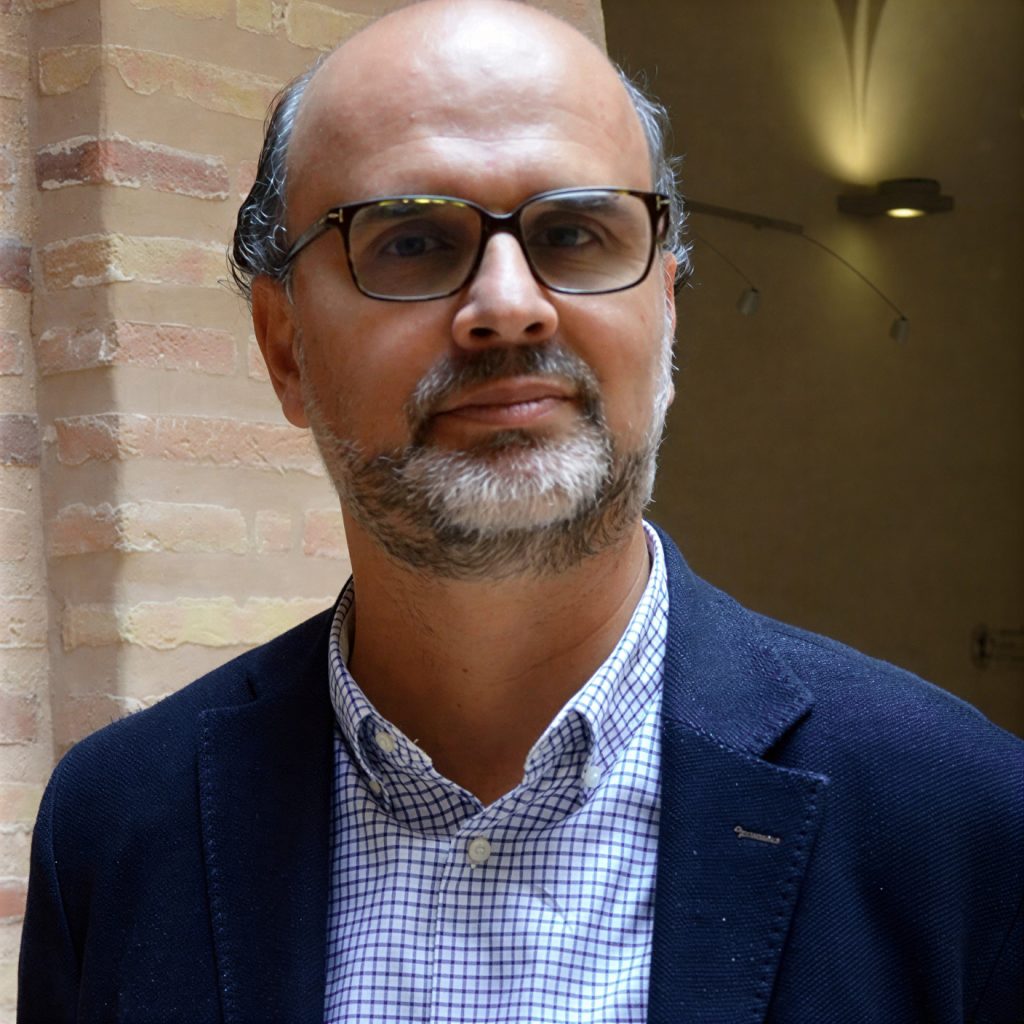
Professor Pablo Vidal, UCV
Decarbonising Port Operations through Smart Energy and Digital Twin Solutions

Funded by the European Union. Views and opinions expressed are however those of the author(s) only and do not necessarily reflect those of the European Union or European Research Executive Agency. Neither the European Union nor the granting authority can be held responsible for them.