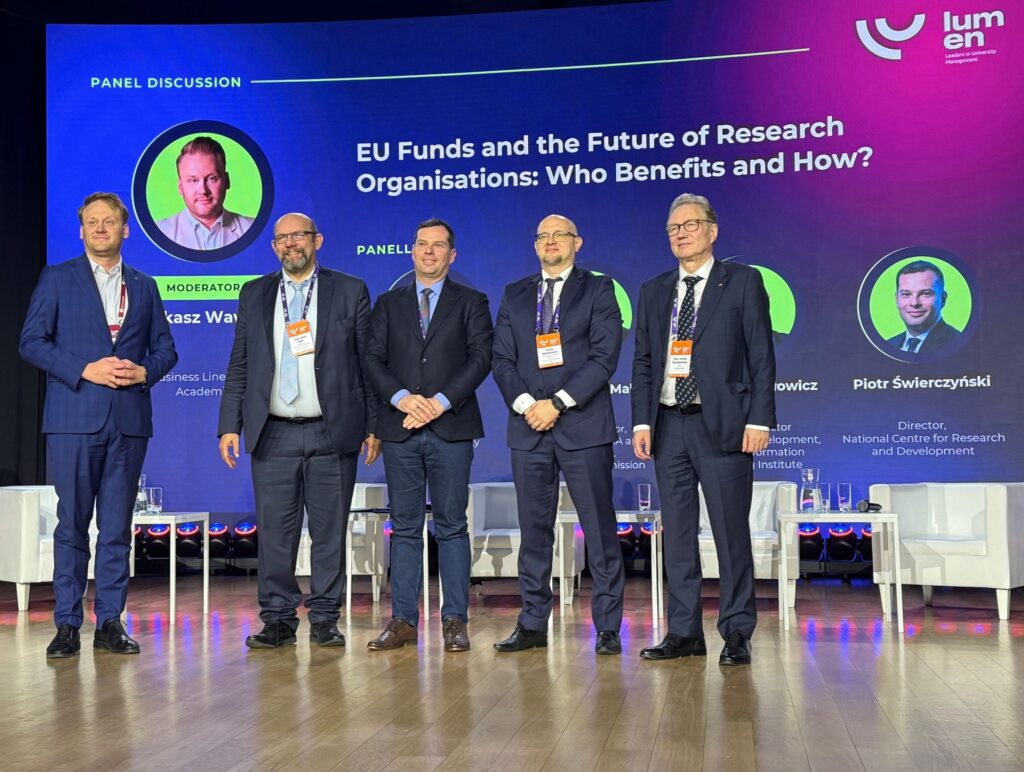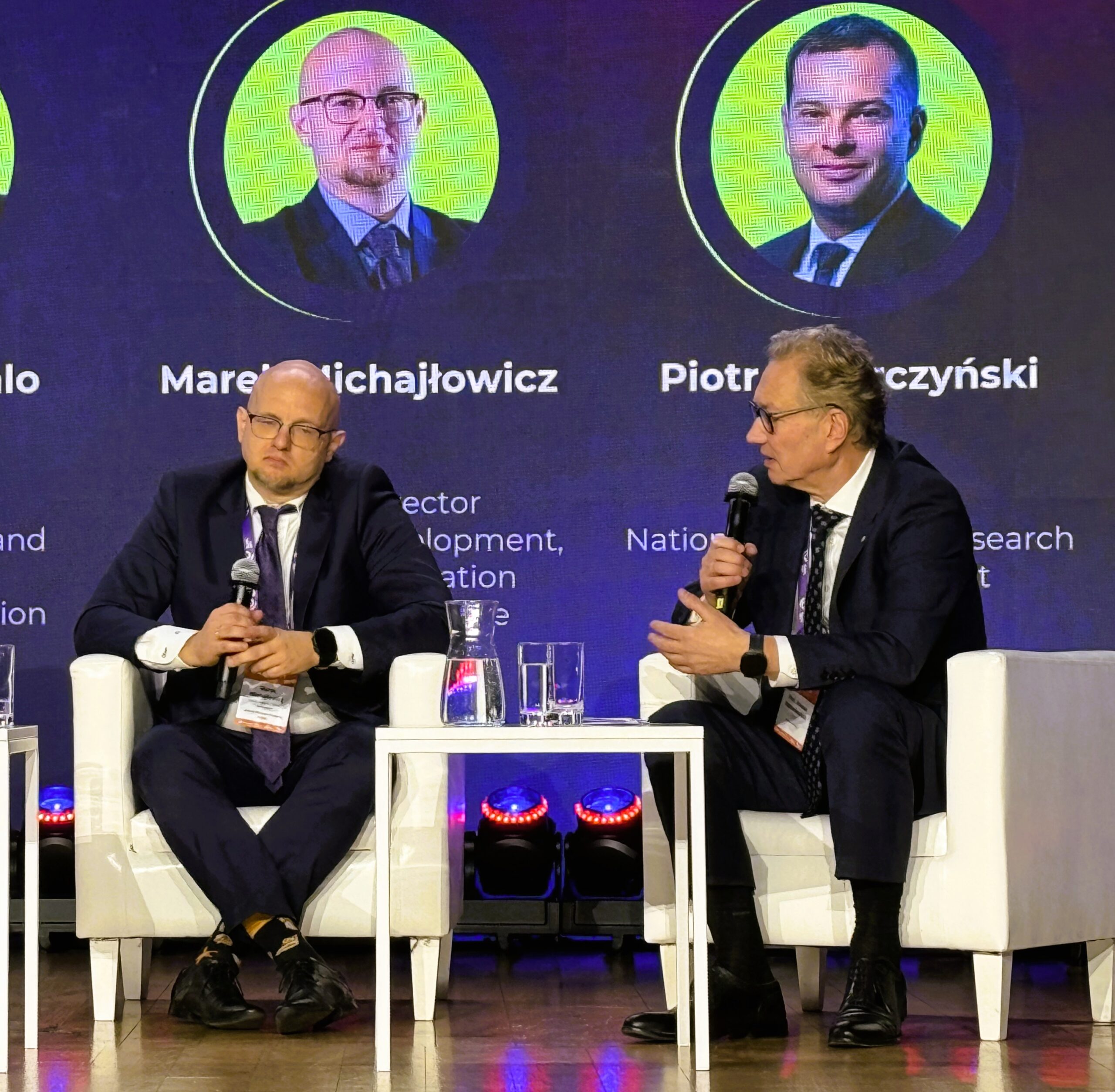
On 17 November, Professor Razbadauskas, Rector of Klaipeda University, joined Jean-David Malo of the European Commission, Piotr Świerczyński of Poland’s National Centre for Research and Development and Marek Michajłowicz of the National Information Processing Institute at Jagiellonian University. The panel considered how EU funding reaches research organisations, how accessible it is to smaller and regional universities, and how institutions can put funded infrastructure to work over the long term. LUMEN 2026 programme
As the EU prepares for the 2028–2034 funding period, our experience as a European University alliance brings a practical perspective to that discussion. Researchers at our partner universities work on challenges that coastal regions share, from marine pollution to the sustainable use of coastal resources. Finding colleagues with complementary expertise and identifying suitable facilities are often the first steps towards a joint project.
From a funded project to a shared research resource
Our Horizon 2020-funded Research for Society project illustrates what lasting value can look like in practice. Through the project, we mapped research expertise, facilities and services across our partner universities. The project ended in 2024, and the resulting Research & Innovation Information System remains available. A researcher developing a proposal on coastal pollution can use it to see which teams work on the same issue, find out what equipment is available across the Alliance and contact potential partners. Explore our Research & Innovation Information System
What we want to see in the next funding period
Our position paper on systemic support for European University alliances calls for closer coordination between European and national funding and stronger links between research programmes and Erasmus+. For our partners, that matters because researchers build relationships, share expertise and develop ideas for new projects between funding rounds. Sustained support for this work can help regional universities lead more cross-border projects and bring their knowledge of coastal communities into European research. Read our position paper