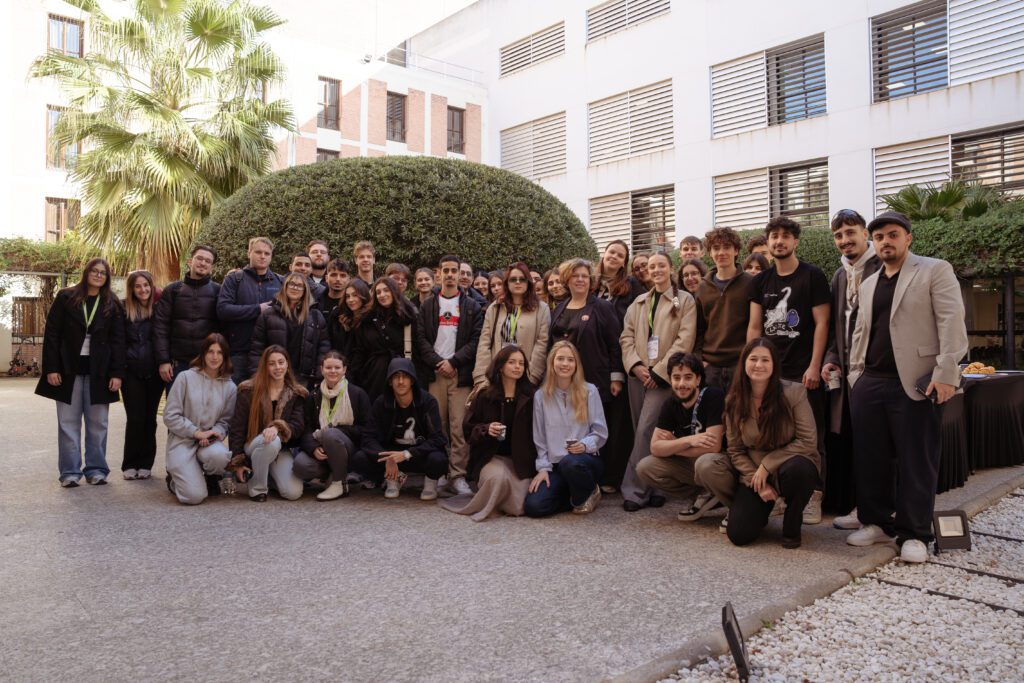
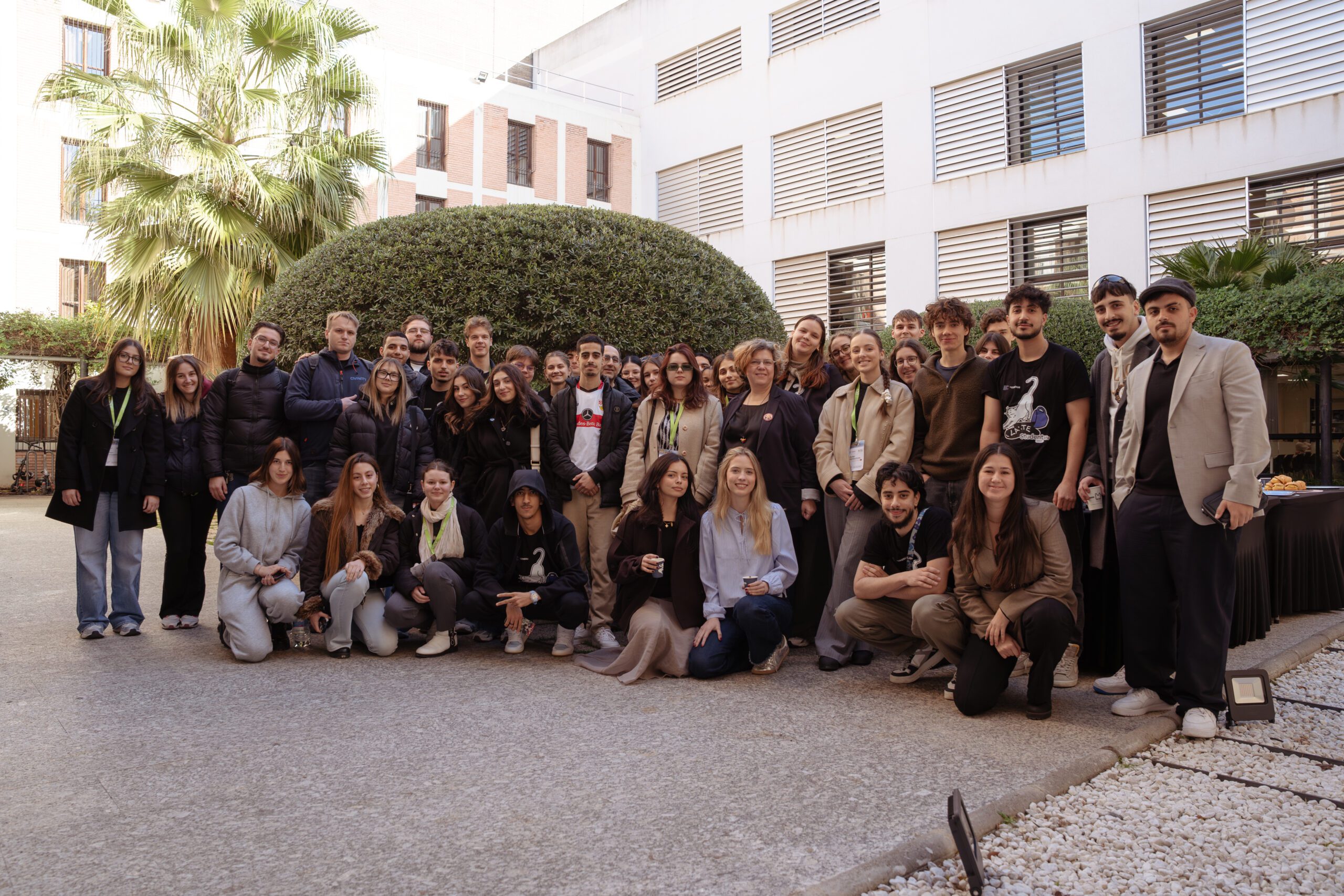
Botond Halasz, a student of Architectural BIM Technology at South East Technological University (SETU), recently travelled to Valencia, Spain, to participate in the EU-CONEXUS Micro-credential Winter School: Sustainable Strategies for Resilient Coastal Futures.
Hosted by Catholic University of Valencia (UCV), the week-long programme brought together around 60 students from across the EU-CONEXUS European University Alliance for an intensive week of learning, collaboration and cultural exchange focused on coastal sustainability and climate resilience.
A week of specialised learning
Running from 26–30 January 2026, the Winter School offered bachelor’s students the opportunity to enrol in two short micro-credentials, allowing participants to explore specialised topics to complement their home degree programmes.
Each micro-credential carried 1 ECTS credit and included around 25–30 hours of learning through lectures, workshops and independent study.
Botond selected two courses aligned with his studies at SETU:
- Build with Nature – techniques for sandy coasts
- Spatial Planning and Climate Risk Mitigation for Resilient Coastal Areas
The Build with Nature micro-credential introduced students to nature-based solutions for coastal management, examining natural processes such as waves, tides and sediment movement, and exploring sustainable interventions such as dune restoration and beach nourishment to protect coastal communities.
Meanwhile, the spatial planning course explored how planning strategies can address climate risks and overdevelopment in coastal regions, helping students develop skills in coastal plan appraisal, risk evaluation and long-term resilience planning.
Reflecting on the experience, Botond said:
“We had lectures focusing on coastal erosion and coastal urban design. We learned how to assess the impacts of groynes on the degradation and replenishment of sandy coasts.”
Sustainability and systems thinking
The Winter School forms part of the broader EU-CONEXUS mission to develop expertise in smart urban coastal sustainability and to equip students with the knowledge needed to tackle environmental and climate challenges affecting coastal regions.
Throughout the week, students explored topics such as coastal hazards, environmental assessment and sustainable planning approaches designed to protect both communities and fragile marine ecosystems.
Botond noted that the courses helped students think more critically about environmental responsibility:
“The modules helped us understand how important human impacts are on fragile marine ecosystems.”
Intercultural learning and international connections
Alongside academic activities, the programme incorporated social and cultural events designed to help students connect with peers from across Europe.
Participants experienced Valencian culture through activities such as a traditional paella workshop and guided tours of the city, while informal social events created opportunities for students to build international networks and friendships.
Reflecting on the cultural experience, Botond said:
“Besides the lectures, we had a paella tasting session and city tours. However, most of the benefits from the course came from networking with the international community and being able to talk to a wide range of people from diverse backgrounds.”
A memorable experience
For Botond, the mobility provided both academic and personal development opportunities, expanding his knowledge while connecting him with students from across the EU-CONEXUS partner universities.
Summing up the experience, he said:
“I made multiple friends, learned about areas I previously had no knowledge of, and got the chance to understand Valencian culture.”
The EU-CONEXUS Winter and Summer Schools offer students the chance to gain new skills, broaden their perspectives and experience international study. EU-CONEXUS continually aims to provide global learning opportunities for its students.
Further information on opportunities can be found here.