
Tourism and the Economic Geography of Small EU-CONEXUS Islands: Community Resilience, Landscapes, and Sustainable Development Pathways
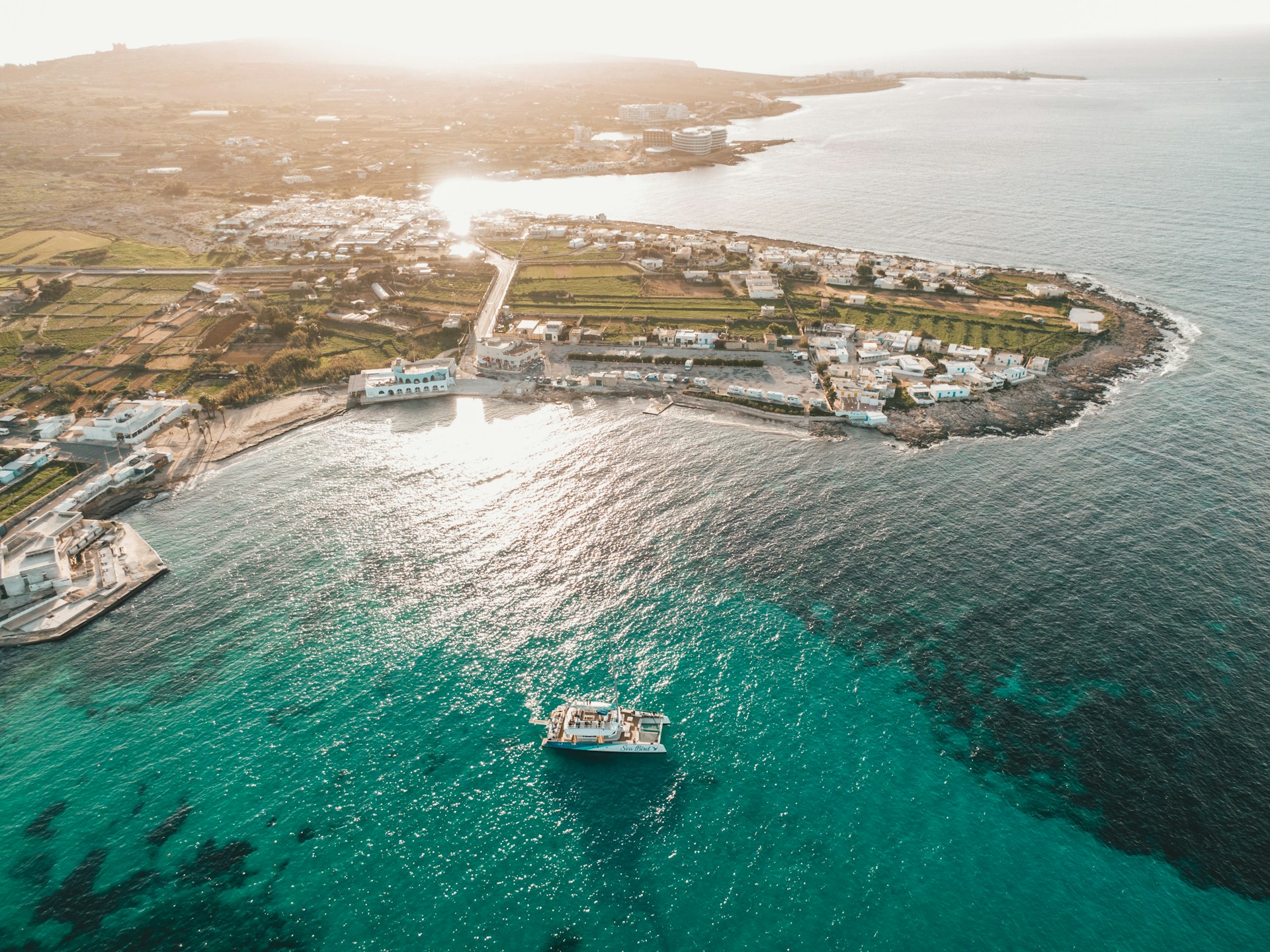
Tourism is a dominant driver of socio-economic and spatial transformation on many small European islands. While it contributes to employment and local incomes, it also generates processes of touristification that reshape landscapes, land use, housing, service provision, and everyday life, often deepening seasonal dependency and social-environmental pressures. This Student Research Hub analyses how touristification transforms the economic geography and landscapes of small islands in EU-CONEXUS coastal regions, and evaluates whether these transformations can be redirected towards more sustainable and resilient futures.
The project uses a comparative case-study design grounded in island studies and draws on theories from economic geography, island studies, tourism studies, landscape studies, land-use/land-cover change, sustainable development, and resilience. Empirical work combines: (i) literature review and conceptual framework development; (ii) analysis of statistical indicators (tourism intensity/seasonality, employment structure, demographics, environmental pressures); (iii) spatial analysis using remote sensing and/or land-cover datasets such as CORINE Land Cover and comparable national portals; and (iv) targeted social research (short surveys and/or semi-structured interviews) to capture resident and stakeholder perspectives.
The Hub is delivered as a structured sequence of research workshops and clinics: kick-off and research design; theory integration; data and methods; GIS/remote sensing; analysis and interpretation; and policy pathway development through scenarios. Outputs include a comparative island profile (touristification mechanisms and impacts), mapped evidence of landscape and land-use change, and a concise policy pathway brief, culminating in a final report and presentation.
This Student Research Hub is delivered in a blended format, allowing students to participate either in person or remotely, depending on their location and institutional affiliation.
General learning outcomes
- Apply key theories from economic geography, island studies, tourism studies, landscape and land-use change, sustainable development, and resilience to small-island cases.
- Design a comparative research strategy (questions, indicators, methods, data management, and ethics).
- Collect, harmonize, and interpret statistical, policy/document, qualitative, and spatial data relevant to tourism-driven change.
- Use basic GIS/remote sensing outputs (e.g., CLC-based land cover structure/change summaries) to support spatial arguments.
- Critically evaluate trade-offs between tourism growth, landscape transformation, social equity, and environmental constraints.
- Develop evidence-based scenarios and propose feasible policy pathways to improve sustainability and community resilience.
- Communicate results through a structured report/policy brief and a professional oral presentation.
| On-site training at: | University of Zadar |
| Assessment method: | Group comparative report or policy brief (with maps/figures and referenced evidence) Final presentation |
| Prerequisites for participating students: | English B1–B2 (recommended), as working language is English. Basic GIS skills (recommended): ability to read spatial data/layers and produce simple maps (any GIS platform). |
| Certification: | EU-CONEXUS certificate of attendance |
Thematic area:
Interdisciplinary
Mentor:
Professor Anica Čuka
University:
University of Zadar
Faculty/Department:
Department of Geography
Mentor’s email address:
PhD Leader:
Julijan Sutlović, PhD
PhD Leader’s email address:
Start date:
15/09/2026
Closing date:
30/10/2026
Deadline for applications:
08/09/2026
Physical presence mandatory:
NO, Hybrid Format
Duration of physical presence:
15/09/2026 – 30/10/2026 (See schedule)
For mobility grants, contact your Institutional Coordinator as indicated in the “🔗Contact us” section
Only online courses:
NO