
Natural Alternatives to Antibiotics in Aquaculture: Evaluation of Essential Oils Against Fish Bacterial Pathogens
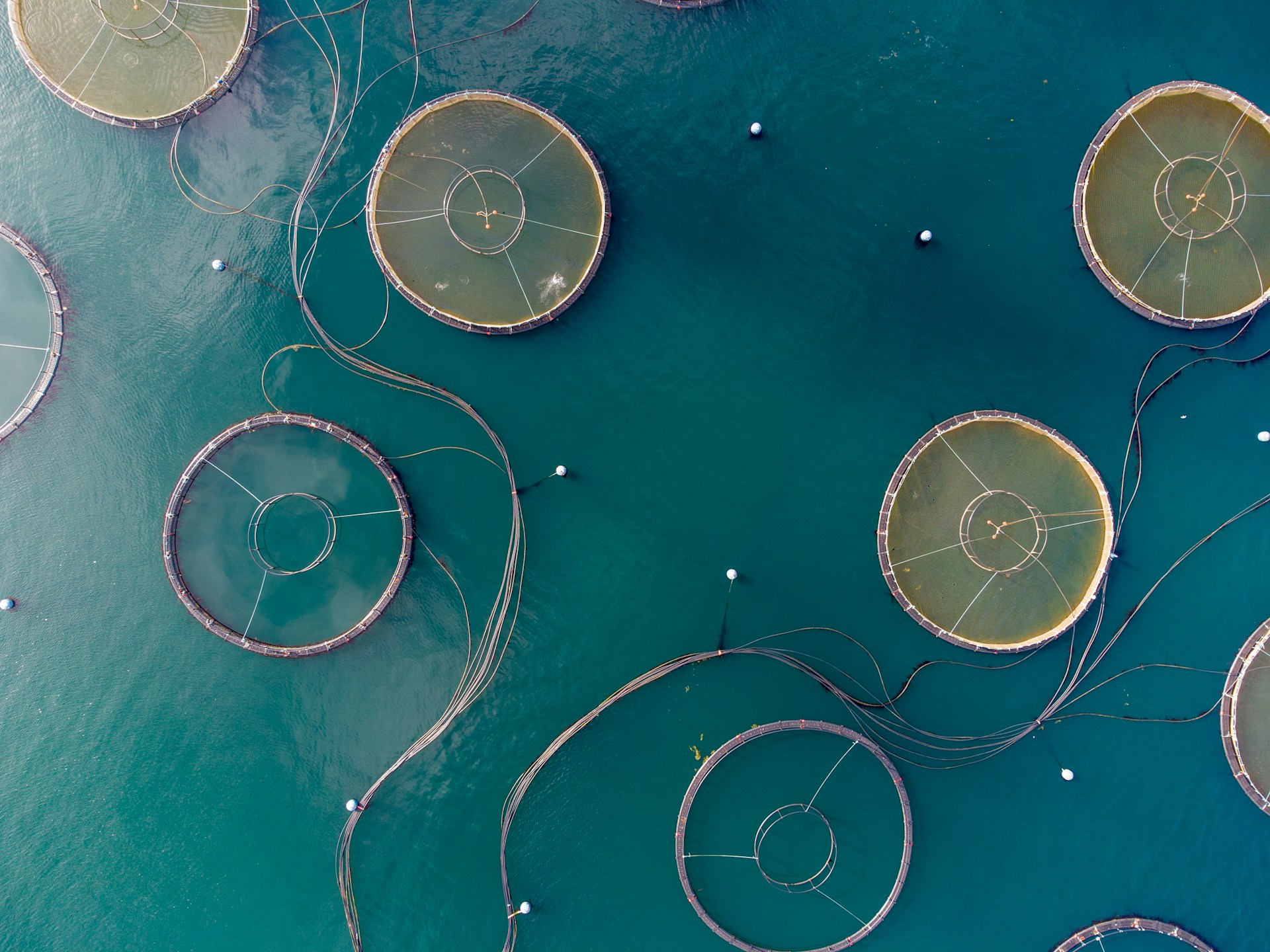
This Student Research Hub will introduce students to the diagnosis of bacterial fish diseases in aquaculture and the evaluation of natural antimicrobial alternatives, with a focus on essential oils. The increasing emergence of antimicrobial resistance in aquaculture highlights the need for sustainable strategies to control bacterial pathogens while reducing dependence on antibiotics.
Through a combination of remote theoretical sessions and laboratory-based practical training, students will learn the fundamentals of fish disease diagnosis, microbiological isolation techniques, pathogen cultivation, antimicrobial susceptibility testing, and interpretation of inhibition assays.
During the practical laboratory sessions, students will prepare culture media, perform fish necropsy and bacterial isolation from diseased fish tissues, cultivate bacterial colonies, and compare the antimicrobial activity of selected antibiotics and essential oils using agar plates. Students will observe bacterial growth, prepare antibiograms, and evaluate inhibition zones as indicators of antimicrobial effectiveness.
The theoretical component will cover aquaculture production systems, common bacterial fish diseases, antimicrobial resistance, diagnostic principles, biosafety, laboratory good practices, and the scientific rationale behind the use of plant-derived compounds such as essential oils in aquaculture health management.
Students will also develop basic research skills through literature review, data interpretation, report preparation, and presentation of findings at the online annual student conference.
This hub combines fish pathology, microbiology, and sustainable aquaculture practices, offering students hands-on experience in applied aquatic animal health research.
General learning outcomes
Learn about bacterial fish diseases and the challenges they pose to the aquaculture sector, understand antimicrobial resistance and sustainable alternatives such as essential oils, and gain practical training in basic microbiological techniques for pathogen isolation and antimicrobial susceptibility testing. Students will also learn to interpret laboratory results, apply good microbiological and biosafety practices, and develop skills in literature review and scientific communication.
| On-site training at: | Agricultural University of Athens |
| Assessment method: | Report/Presentation |
| Prerequisites for participating students: | Students that have finished their 3rd year of post graduate studies |
| Certification: | EU-CONEXUS certificate of attendance |
Thematic area:
Aquaculture and fish diseases
Mentor:
Konstantina Bitchava
University:
Agricultural University of Athens
Faculty/Department:
Department of Animal Science, School of Animal Biosciences
Mentor’s email address:
PhD Leader:
Theodosis Dimitriadis
PhD Leader’s email address:
Start date:
22/06/2026
Closing date:
31/07/2026
Deadline for applications:
19/06/2026
Physical presence mandatory:
YES
Duration of physical presence:
3 days (from 29/06/2026–1/07/2026)
For mobility grants, contact your Institutional Coordinator as indicated in the “🔗Contact us” section
Only online courses:
NO