small-conexus-logo
  • About us
      For
    • Who we are
    • Structure
    • EU-CONEXA
    • Cooperations & Partnerships
    • Documents & Policies
  • News
  • Events
  • Calls
  • Projects
  • Contacts

FOR


  • Students
      For For Students
    • Studies
    • Mobility
    • Campus life
  • Researchers
      For For Researchers
    • Contact Point for Technology Transfer and Innovation (CONTI)
    • Project Development Support
    • Research Facilities
    • Research & Innovation Information System
    • PhD and postdoc opportunities
    • Joint Research Area
    • Scientific Journals & Publications
    • Mobility
    • Calls
  • Teaching staff
      For
    • EU-CONEXUS Project Development Support Office (PDSO)
    • ODSO services
    • Call for visiting teachers
    • Mobility
    • Contact Point for Technology Transfer and Innovation (CONTI)
    • Calls
  • Schools
      For
    • School Contest
    • Cooperation Opportunities
  • Administrative staff
      For For Staff
    • Mobility opportunities
    • Calls
  • Stakeholders
SMART CAMPUS
Search Search
Version for disabled
SMART CAMPUS
Search Search
logo

Essential Skills for Working in the Laboratory
Essential Skills for Working in the Laboratory

Essential Skills for Working in the Laboratory

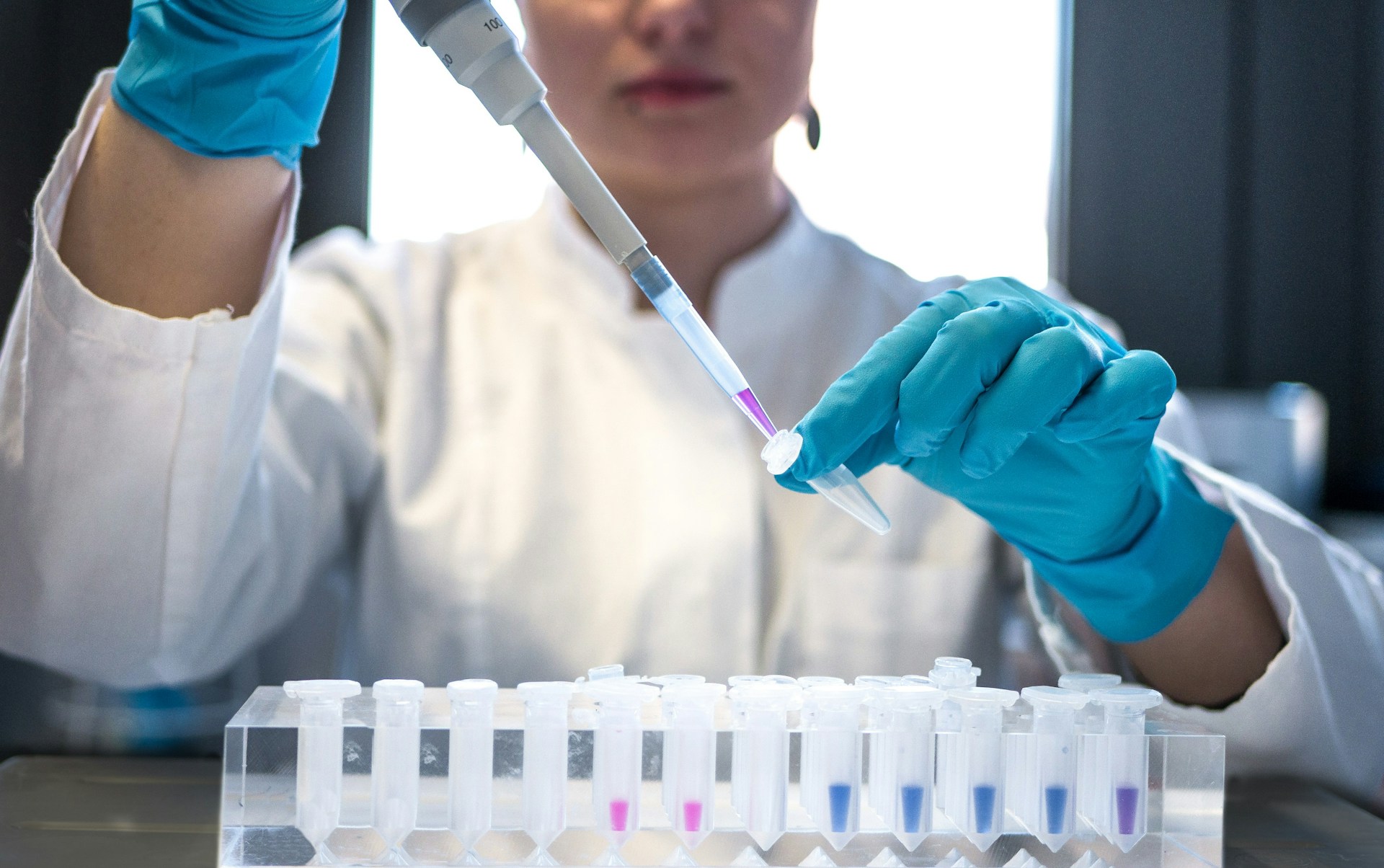
This introductory course provides students with a foundational training in the skills and knowledge required to work safely and independently in a scientific laboratory. With a total duration of 50 hours (24 contact hours and 26 hours of independent work), it combines practical sessions with individual activities to reinforce learning and the application of key concepts.

The main objective is for students to acquire essential practical skills, develop a functional understanding of common laboratory materials and equipment, and strengthen rigorous work habits. By the end of the course, students will be able to correctly identify and use glassware and basic equipment, perform simple calculations for the preparation of solutions and dilutions, follow experimental protocols, record data in an organized manner, and analyze results critically.

The contact sessions are structured into several blocks: safety and biosafety guidelines; recognition and handling of laboratory materials; calculations and preparation of solutions and dilutions; introduction to the use of common equipment such as balances, pH meters, centrifuges, or spectrophotometers; and finally, integration and analysis of results, with emphasis on report writing and the discussion of common errors.

Independent work (30 hours) includes guided readings on the fundamentals of experimental techniques, applied calculation exercises, prior preparation of protocols, and the writing of a final report that reflects the student’s practical experience.

The methodology combines initial demonstrations with hands-on practice, encouraging active learning, cooperative work, and critical reflection on results. Assessment is divided into three components: participation and compliance with safety regulations (20%), completion of exercises and quizzes (30%), and the final practice report (50%).

Overall, this short course seeks to establish the foundations of solid experimental work, transferable across different areas of the experimental sciences and essential for the academic and professional development of students.

General learning outcomes

  • Apply basic laboratory safety principles and follow biosafety guidelines to ensure responsible scientific practice.
  • Identify and correctly handle common laboratory materials and equipment, including glassware, balances, pH meters, centrifuges, and spectrophotometers.
  • Perform basic laboratory calculations, such as molarity, percentage solutions, and serial dilutions, and prepare solutions accurately.
  • Follow and execute simple experimental protocols with precision, maintaining appropriate standards of quality and reproducibility.
  • Record experimental data systematically in a laboratory notebook and prepare clear, structured reports.
  • Analyze and interpret experimental results critically, identifying potential errors and proposing improvements.
  • Demonstrate collaborative and autonomous work skills, contributing effectively to group tasks while taking responsibility for individual learning.

On-site training at: 

Catholic University of Valencia

Assessment method: Participation and compliance with safety regulations (20%)
Active involvement in laboratory sessions, adherence to safety and biosafety guidelines, and responsible use of materials and equipment.

Practical exercises and quizzes (30%)
Completion of calculation exercises, short quizzes on laboratory techniques, and accurate preparation of solutions and dilutions.

Final laboratory report (50%)
Submission of a structured report including experimental protocols, recorded data, analysis of results, discussion of errors, and conclusions.

Prerequisites for participating students: English (B2 Level)
Certification:  EU-CONEXUS certificate of attendance


Apply now

Thematic area:

Biosciences, Experimental Sciences, etc

Mentor: 

Beatriz Salesa Landete

University:  

Catholic University of Valencia

Faculty/Department: 

Faculty of Veterinary and Experimental Sciences

Email address: 

beatriz.salesa@ucv.es

PhD Leader:

Álvaro Cervera Muñoz

PhD Leader’s email address:

alvaro.cerveramu@ucv.es

Start date: 

26/01/2026

Closing date: 

13/03/2026

Deadline for applications:  

15/12/2025

Physical presence mandatory

Yes

Duration of physical presence:

1 week (09-12/02/2026)

For mobility grants, contact your Institutional Coordinator as indicated in the “Contact us” section 

Schedule: 

Click here

See us

📢 𝗖𝗲𝗹𝗲𝗯𝗿𝗮𝘁𝗶𝗻𝗴 𝗜𝗻𝗻𝗼𝘃𝗮𝘁𝗶𝗼𝗻: 𝗕𝗮𝗰𝗵𝗲𝗹𝗼𝗿 𝗖𝗼𝗻𝘁𝗲𝘀𝘁 𝗪𝗶𝗻𝗻𝗲𝗿𝘀 📢 𝗖𝗲𝗹𝗲𝗯𝗿𝗮𝘁𝗶𝗻𝗴 𝗜𝗻𝗻𝗼𝘃𝗮𝘁𝗶𝗼𝗻: 𝗕𝗮𝗰𝗵𝗲𝗹𝗼𝗿 𝗖𝗼𝗻𝘁𝗲𝘀𝘁 𝗪𝗶𝗻𝗻𝗲𝗿𝘀
On  March 23, 2026, 8 innovative teams and 14 students participated in the Online Pitch Event, presenting forward-thinking solutions to sustainability challenges across Europe. The event was surprising, well-developed, and highly diverse — a strong reflection of the creativity and dedication of all participants.

We would like to sincerely thank our jury members: Maria Gil Marqués ,  Carol Faughnan, Loreta Staskuniene, Jonas Žolobaila, and Nadav Ben-Haim for their valuable time, expertise, and feedback throughout the event.

🏆 𝗔𝘄𝗮𝗿𝗱𝗲𝗱 𝗽𝗿𝗼𝗷𝗲𝗰𝘁𝘀:
🏅RELIVE 
🏅EcoBank Station 
🏅Traveco 
🏅MagnusTide 

Each project highlighted a unique pathway toward sustainability - from circular economy innovation and waste valorisation to gamified climate action and renewable energy systems.

What stood out most was not only the quality of the ideas, but the mindset behind them: curiosity, resilience, and the willingness to iterate based on feedback, turning early-stage concepts into meaningful innovation.

✨ From circular economy solutions to clean energy and sustainable tourism, this year’s contest proved once again: Student ideas can become real-world impact.

📣 𝗢𝗽𝗲𝗻 𝗖𝗮𝗹𝗹 𝗳𝗼𝗿 𝗔𝗽𝗽𝗹𝗶𝗰𝗮𝘁𝗶𝗼𝗻𝘀
The Innovation Contest is currently open for Master students, PhD candidates, and researchers.

👉 More information on the last slide

 📅 Application deadline: 𝗔𝗽𝗿𝗶𝗹 𝟭𝟵, 𝟮𝟬𝟮𝟲

👉 𝗟𝗶𝗻𝗸 in the bio

#InnovationContest #Sustainability #CircularEconomy #ResearchAndInnovation #StudentInnovation #EUCONEXUS #GreenInnovation #FutureOfInnovation #CallForApplications
Instagram post 18157827817445485 Instagram post 18157827817445485
They came for language practice… and stayed for th They came for language practice… and stayed for the experience 🌍

New people, real conversations, a few awkward moments, lots of laughs.

EU-CONEXUS Language Café wasn’t just about learning a language.

It was about connecting, sharing, and stepping out of your comfort zone.

👉 Watch the video created by the students themselves and feel the experience
#euconexus #europeanuniversities #languagecafé #students #internationalconnection
🌍 From classroom to research beyond campus @setui 🌍 From classroom to research beyond campus

@setuireland Biology student Sasha’s research brings her to Athens through #EUCONEXUS, highlighting the meaningful opportunities available to students ready to take their learning further.

By engaging in hands-on research and collaborating with peers, students can build real-world skills, expand their networks, and gain experience that shapes their future careers.

✨ Opportunities like this show how far your studies can take you!

🔗 Read more about Sasha’s experience on the news section on the #EUCONEXUS website
#europeanuniversities #research #internationalstudies
🥳 The EU-CONEXUS School Contest “Think Smart, Crea 🥳 The EU-CONEXUS School Contest “Think Smart, Create Green” has successfully taken place across all 9 partner universities!

Young minds from across Europe once again impressed with their creativity and dedication, tackling environmental challenges with innovative and sustainable ideas. 🌍🍃 The most inventive teams have been selected and are now preparing for the international stage of the competition on April 27.
We wish all participants the best of luck in the upcoming phase! 🤞

Meanwhile, we invite you to take a look at some highlights from the national competition at @klaipedauniversity 
✨
#EUCONEXUS #EuropeanUniversities #ThinkSmartCreateGreen #KlaipedaUniversity #SchoolContest
Can AI truly think and understand? Or is it just i Can AI truly think and understand? Or is it just imitating? 🤖

More than 60 years ago, Alan Turing’s answer was the following: if a machine can convince a human it is human, we might call it intelligent. 🤔

Today, Manuel Alfonseca, Emeritus Professor at the Autonomous University of Madrid, is revisiting this answer with a critical mindset. Basing his position off the famous Turing Test, he addresses a deeper issue: is imitation the same as understanding?

Are we measuring intelligence — or just how easily humans can be fooled? 😅

Read the full article on the “news” section of our website #euconexus #europeanuniversities #smucsweeklybite #sustainability #artificial_intelligence
🎓 Ready to boost your skills and stand out? We con 🎓 Ready to boost your skills and stand out? We continue with EU-CONEXUS bachelor micro-credentials for the second spring intake.

💸 Completely free
🎯 Worth 1 ECTS each
🌱 Focused on green, digital, and entrepreneurial skills

✨ What’s on offer this intake? 7 𝗼𝗻𝗹𝗶𝗻𝗲 𝗯𝗮𝗰𝗵𝗲𝗹𝗼𝗿 𝗺𝗶𝗰𝗿𝗼-𝗰𝗿𝗲𝗱𝗲𝗻𝘁𝗶𝗮𝗹𝘀, 𝗶𝗻 𝗘𝗻𝗴𝗹𝗶𝘀𝗵:

✅ Data Visualization
✅ Using AI when working with very large document collections: opportunities and risks
✅ Animal welfare in research labs
✅ Social Entrepreneurship and Commitment in SmUCS
✅ UAS principles, data modelling and analysis
✅ Marine ecosystem services and the impact of the Invasive Alien Species in the Mediterranean Sea
✅ Cybersecurity for smart ports & shipping organizations

📅 Applications by 19 April 2026
👉 Don’t miss the chance to level up your academic year with a micro-credential that makes a real difference.
🔗 Link in bio

#EUCONEXUS #europeanuniversities #bachelor #studies #microcredentials
🌟 Did you know everything EU-CONEXUS offers at you 🌟 Did you know everything EU-CONEXUS offers at your university?

👀 Opportunities, experiences, international connections… but how much do students actually know?

🗣️ Tell us what you know (or don’t know!) and help us improve. 

📝 Fill in the survey (it only takes 2 minutes!). You can choose between English and Spanish language. Link in bio!
#EUCONEXUS #EuropeanUniversities #StudentLife #Survey

Info

  • Who we are
  • Visual identity
  • FAQ

Policy

  • Privacy policy
Facebook link Instagram link Twitter link Linkedin link Youtube link
Eu Conexus Eu Conexus

© 2020 euconexus

all rights reserved

Eu Conexus

Disclaimer: Funded by the European Union. Views and opinions expressed are however those of the author(s) only and do not necessarily reflect those of the European Union or European Commission and EU executive agencies. Neither the European Union nor the granting authority can be held responsible for them.

  • Historical development of identity verification in Australian betting by Betzoid Australia
  • How Betzoid Examines German Football League Statistical Patterns
  • Understanding Football Betting Regulations Worldwide Through Betzoid's Educational Approach
x
Field is required.