
Computational fluid dynamics (CFD) and computational mechanics (CM) methodology and digital tools (DT) for sustainable and secure coastal/urban environment
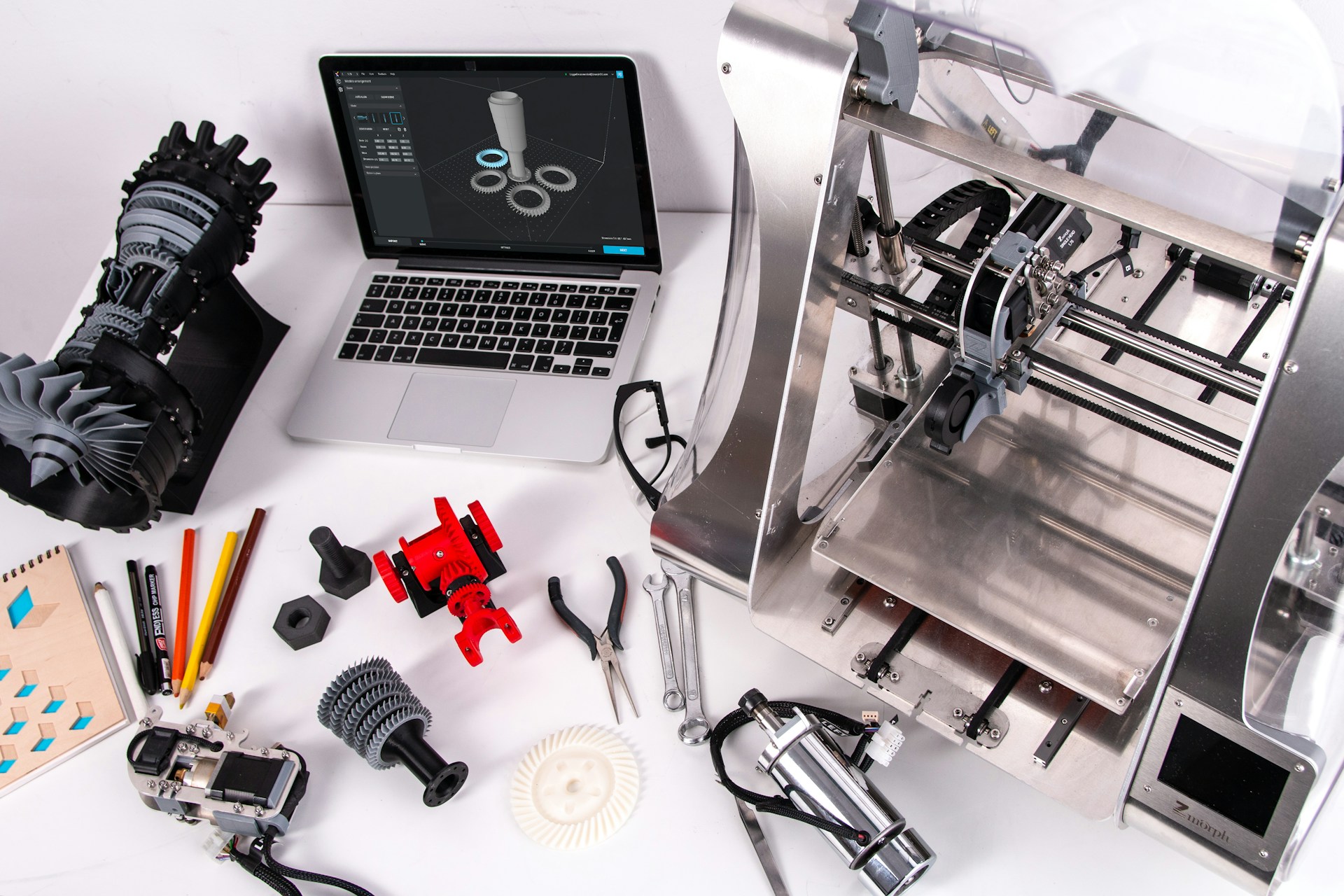
The present Student Research Hub (SRH) training teaches undergraduate students the principles of CFD and CM methodologies and provides practical skills with emphasis on three-dimensional (3D) design, MATLAB programming, computational set-up, and the analysis of mechanical systems behaviour (fluid flow, turbulence with heat and mass transfer, mechanics, forces, and stress analysis). It is envisaged that students will acquire skills in design, modelling, and flow and mechanics simulations, as well as the relevant analyses. Practical use cases, including simulations of automotive components and road safety guardrails under mechanical impact, will be presented.
CFD and CM 3D investigations, including part and assembly design and the practical set-up of simulation data, will be delivered using SolidWorks computer-aided design (CAD) software. The training will cover all stages of system design, simulation, and parametric investigation for solving real engineering problems occurring in marine, coastal, and urban environments.
The methodology, including the governing equations for CFD, CM, and mechanics calculations and simulations, will be presented, complemented by simple example analyses using MATLAB for results and data visualisation. Specialised software, including the CFD code STAR-CD and ANSYS for mechanics investigations, will be demonstrated, followed by design and simulation practice in SolidWorks, considered an essential tool for undergraduate students and researchers.
Throughout all SRH activities, alternative open-source software and digital tools (DT) will also be outlined to facilitate the engineering workflow, notably design, modelling, simulation, prototyping, and manufacturing of components and mechanical systems. DT are considered complementary to CFD, CM, and CAD software and support engineering design and problem formulation, including flowchart and diagram preparation, literature surveys, project development, and student presentations.
General learning outcomes
- Develop multidisciplinary engineering skills for problem formulation and practical solution development.
- Apply engineering design principles to define problem geometry and boundary conditions.
- Comprehend computational approaches for modelling, calculation, and simulation to address problems related to energy, emissions, and mechanics for transport safety.
- Acquire skills in data analysis, visualisation, and presentation.
- Synthesise geometry and computational data for the presentation of problem solutions, identifying potential areas for improvement.
- Develop skills for project implementation using CFD and CM methodologies, CAD software, and various digital tools (DT) for data generation, reporting, and the presentation of engineering solutions.
| On-site training at: | Frederick University |
| Assessment method: | Presentation |
| Prerequisites for participating students: | English (B2 Level) Undergraduate Mathematics and Physics courses completion Undergraduate Computer aided design (CAD) course completion |
| Certification: | EU-CONEXUS certificate of attendance |
Thematic area:
Computational thermodynamics, fluids and mechanics
Mentor:
Dr. Charalambos Chasos
University:
Frederick University
Faculty/Department:
Department of Mechanical Engineering
Mentor’s email address:
PhD Leader:
Adonis Vasiliou
PhD Leader’s email address:
Start date:
14/07/2026
Closing date:
01/09/2026
Deadline for applications:
10/07/2026 at 10:00 CET
Physical presence mandatory:
NO
Duration of physical presence:
N/A
Only online courses:
YES