
RAS System Dynamics and Environmental Control
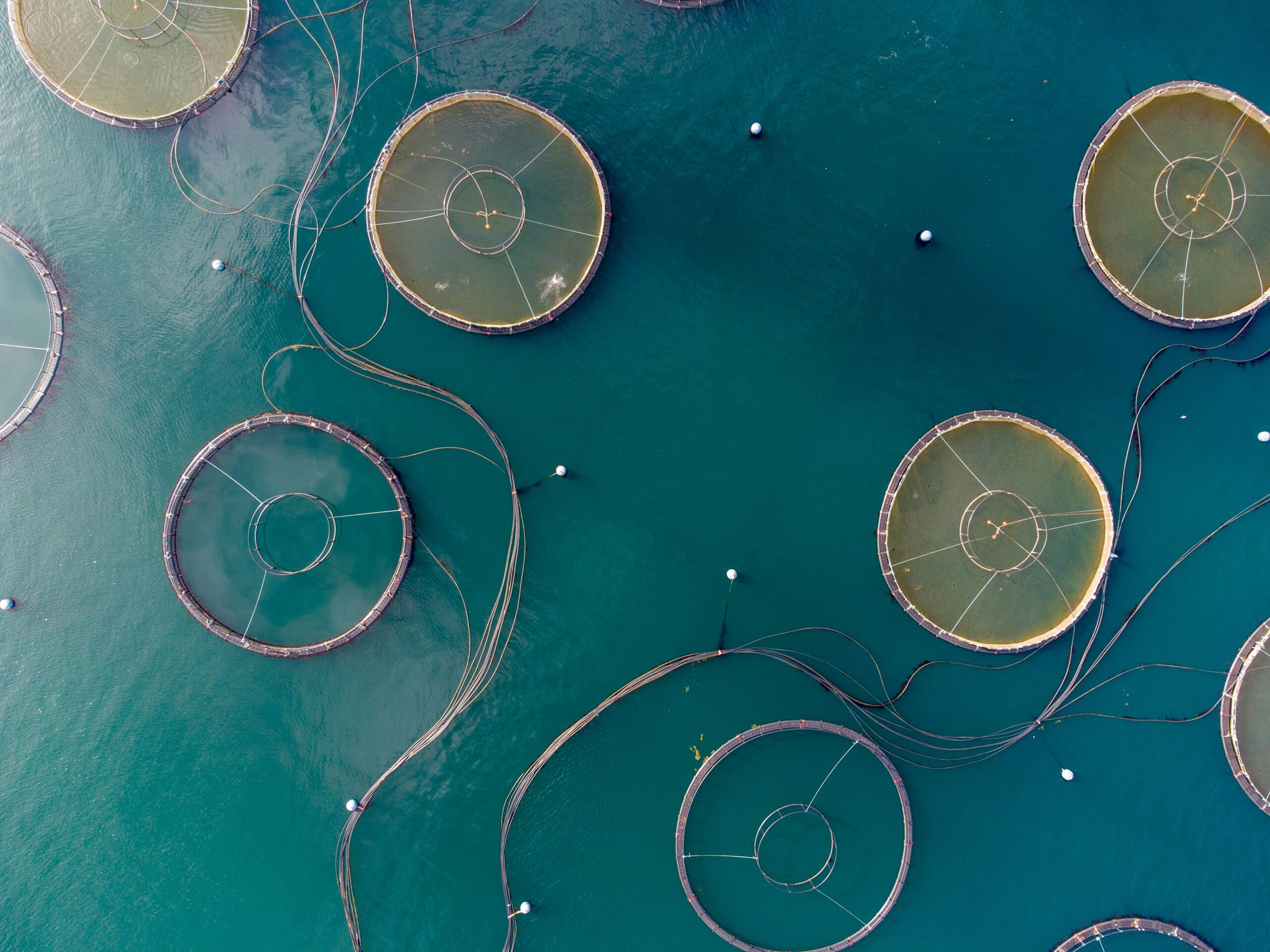
The course RAS System Dynamics and Environmental Control introduces students to the design, operation, and management of recirculating aquaculture systems (RAS). Students will gain hands-on experience with all major components of a RAS, including tanks, pumps, filters, biofilters, and water treatment units. Key topics include system assembly, start-up procedures, and the preparation and testing of artificial seawater to ensure optimal conditions for aquatic organisms.
Emphasis is placed on the establishment and maintenance of a healthy bacterial biofilm on biofilters, a critical step for biological filtration and water quality management. Students will monitor water quality parameters, such as temperature, dissolved oxygen, pH, salinity, ammonia, and nitrite, both before and after the introduction of live organisms.
The course also covers operational strategies for feeding, monitoring, and adjusting environmental parameters to promote animal health, growth, and spawning. Practical exercises will demonstrate the dynamic interactions between system components and aquatic organisms, giving students a thorough understanding of the balance required to maintain stable, efficient, and biosecure RAS operations suitable for fish and shellfish aquaculture.
General learning outcomes
Upon successful completion of the course, students will be able to assemble and set up a recirculating aquaculture system, including all key components such as tanks, pumps, filters, and biofilters, and prepare and test artificial seawater to ensure optimal physicochemical conditions for aquatic organisms. They will be able to establish and maintain a functional bacterial biofilm on biofilters, operate and monitor the RAS by tracking water quality parameters before and after stocking organisms, and manage system operations during feeding, growth, and spawning phases to maintain animal health and system stability. Students will also perform routine maintenance and troubleshooting to ensure biosecurity, efficiency, and longevity of the system, while understanding the dynamic interactions between physical components, water quality, and live organisms for sustainable and effective aquaculture management.
| On-site training at: | University of Zadar |
| Assessment method: | Report/Presentation |
| Prerequisites for participating students: | Students should have a basic understanding of aquaculture principles and water treatment processes. Familiarity with system operation, mechanical and biological filtration, and water quality monitoring is recommended. Basic skills in problem-solving, observation, and laboratory work will help students effectively engage with hands-on RAS activities. |
| Certification: | EU-CONEXUS certificate of attendance |
Thematic area:
Biotechnology
Mentor:
Associate professor Tomislav Šarić
University:
University of Zadar
Faculty/Department:
Department of Ecology, Agronomy and Aquaculture
Mentor’s email address:
PhD Leader:
Petar Zuanović
PhD Leader’s email address:
Start date:
28/09/2026
Closing date:
30/10/2026
Deadline for applications:
24/08/2026
Physical presence mandatory:
YES
Duration of physical presence:
1 week (19–23 October 2026)
For mobility grants, contact your Institutional Coordinator as indicated in the “🔗Contact us” section
Only online courses:
NO