Sustainable Aquaculture: Principles and Practices
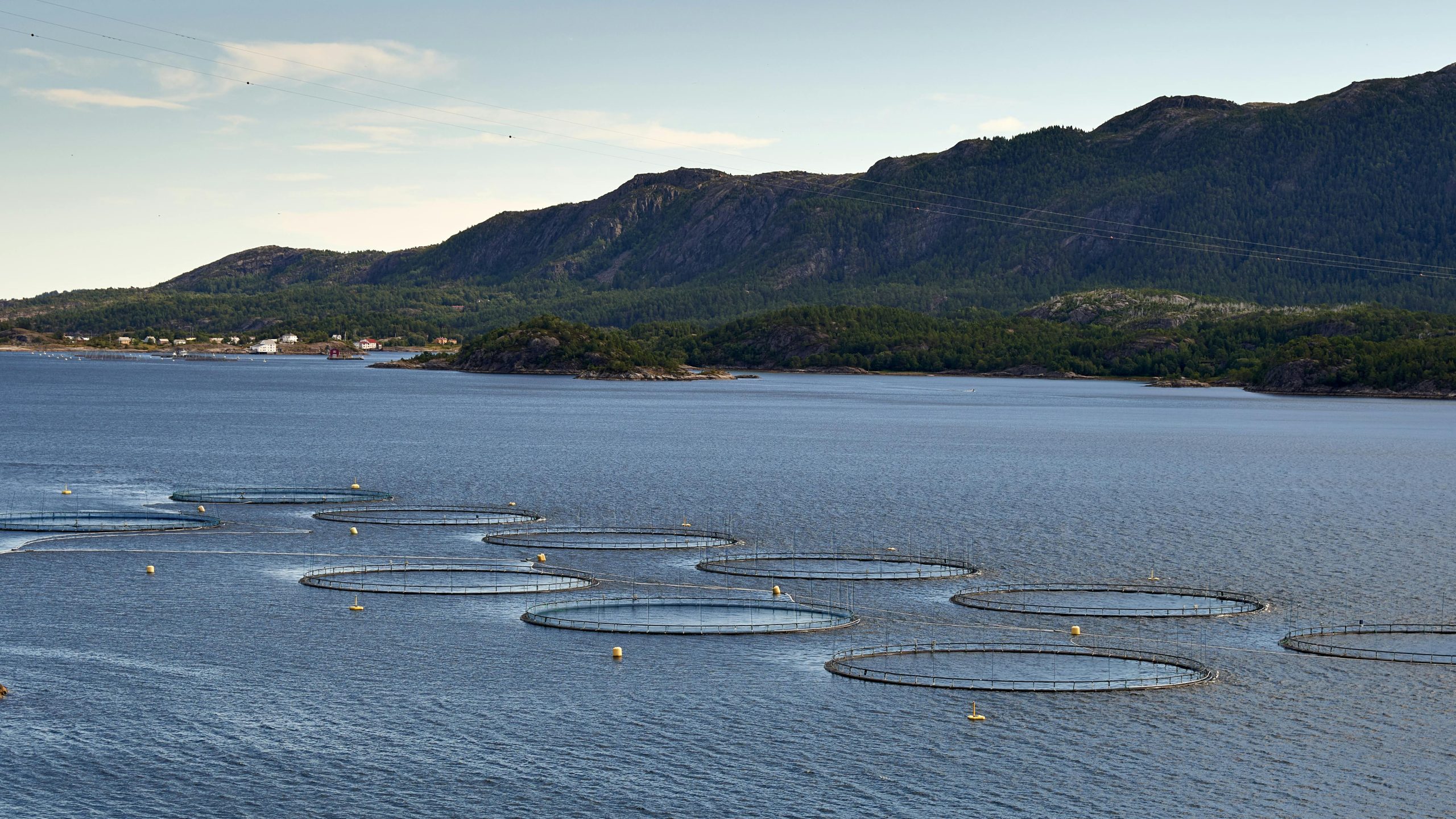
Sustainable aquaculture practices focus on producing aquatic organisms such as fish, shellfish, and seaweed in environmentally responsible, socially equitable, and economically viable ways. These practices aim to reduce negative impacts on natural ecosystems, conserve biodiversity, and ensure long-term food security.
Implementing sustainable aquaculture requires a systematic methodology that balances environmental, economic, and social sustainability. The process begins with careful site selection to ensure that operations are established in areas with minimal ecological sensitivity and optimal water quality. Sustainable systems then employ efficient feed management, water-recycling technologies, and renewable energy sources to minimise pollution and resource use.
Feed management is particularly critical, emphasising eco-friendly and innovative feeds that reduce environmental impact and reliance on wild fish stocks. Regular monitoring of nutrient content in fish and aquafeed ensures optimal growth, health, and feed efficiency. Proximate composition analyses are vital for evaluating the nutritional value, quality, and energy content of aquaculture products, thereby supporting both environmental sustainability and food quality.
Resource efficiency is achieved through closed-loop or recirculating systems that minimise effluent discharge and waste production. In this context, microalgae cultivation in photobioreactors has emerged as a promising approach, offering multiple benefits, including biofiltration, carbon capture, and nutrient recycling. In addition, assessing carbon dioxide emissions from aquaculture operations is essential for understanding their environmental footprint and for developing effective mitigation guidelines.
Beyond environmental considerations, sustainable aquaculture promotes animal welfare and supports local communities through fair labour practices and economic opportunities. These integrated approaches ensure that aquaculture remains productive, resource-efficient, and environmentally sound while contributing to long-term food security.
Learning outcomes:
- Understand the current state and trends in Mediterranean aquaculture, including key species, production methods, and economic importance.
- Acquire knowledge of basic techniques used in aquaculture and fish feed production.
- Understand nutritional requirements and gain knowledge of feed formulation.
- Analyse and compare data.
- Evaluate results.
- Analyse case studies, identify challenges, and develop solutions for sustainable aquaculture development.
- Understand current trends and good practices for sustainability in aquaculture, particularly in relation to feed formulation and waste utilisation.
|
Prerequisites for participating students |
English (level B2) |
|
Assessment method |
Online tests |
|
Certification (ECTS where applicable) |
Certificate of completion |
Title:
Sustainable Aquaculture: Principles and Practices
Topic area:
Aquaculture
Dates:
02-06/03/2026
Deadline for applications:
25/02/2026 at 12.00 CET
More information:
View here
Main Contact Person:
Dr. Evanthia Chatzoglou, Agricultural University of Athens
For information regarding applications: