small-conexus-logo
  • About us
      For
    • Who we are
    • Structure
    • EU-CONEXA
    • Cooperations & Partnerships
    • Documents & Policies
  • News
  • Events
  • Calls
  • Projects
  • Contacts

FOR


  • Students
      For For Students
    • Studies
    • Mobility
    • Campus life
  • Researchers
      For For Researchers
    • Contact Point for Technology Transfer and Innovation (CONTI)
    • Project Development Support
    • Research Facilities
    • Research & Innovation Information System
    • PhD and postdoc opportunities
    • Joint Research Area
    • Scientific Journals & Publications
    • Mobility
    • Calls
  • Teaching staff
      For
    • EU-CONEXUS Project Development Support Office (PDSO)
    • ODSO services
    • Call for visiting teachers
    • Mobility
    • Contact Point for Technology Transfer and Innovation (CONTI)
    • Calls
  • Schools
      For
    • School Contest
    • Cooperation Opportunities
  • Administrative staff
      For For Staff
    • Mobility opportunities
    • Calls
  • Stakeholders
SMART CAMPUS
Search Search
Version for disabled
SMART CAMPUS
Search Search
logo

Mediterranean Aquaculture Production and Technology

Mediterranean Aquaculture Production and Technology

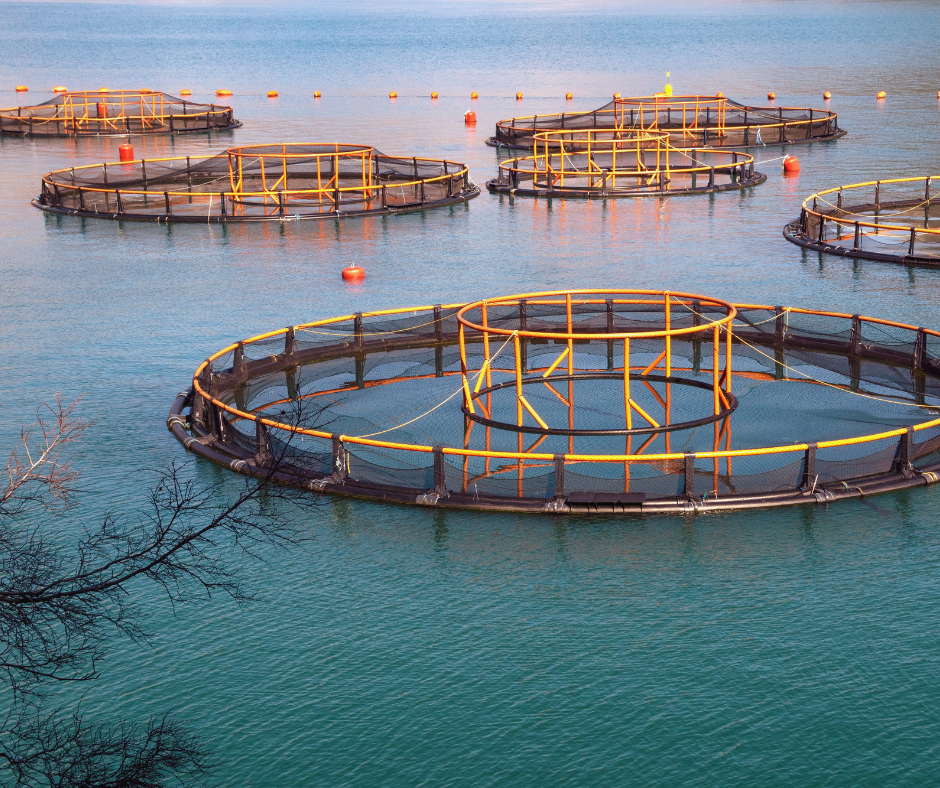
Mediterranean Aquaculture produces high-value species such as sea bass and sea bream by utilising a mix of traditional practices and modern technological advancements to enhance efficiency, sustainability, and economic viability. This course offers a comprehensive exploration of Mediterranean aquaculture, covering key topics such as production systems, aquaculture technologies and engineering, environmental impacts and sustainability, and the social and economic aspects shaping the industry. A significant focus will be placed on practical skills essential for aquaculture management as well.

One of the most critical aspects of sustainable aquaculture is fish feed, which must promote animal welfare and health while remaining cost-effective and environmentally responsible. Research in this field is increasingly focused on discovering alternative feed ingredients sourced in a more sustainable manner, including proteins and oils derived from algae, and plants. Understanding these innovations is vital for promoting responsible aquaculture practices that minimise environmental impact while maintaining high production standards.

Additionally, the course will provide insight into current trends and best practices in fish feed research alongside initiatives aimed at achieving social acceptance and promoting transparent information sharing with consumers. By addressing these challenges, students will gain a deep understanding of how to balance the growing seafood demand with environmental conservation and industry sustainability.

General learning outcomes

  • Understand the current state and trends in Mediterranean aquaculture, including key species, production methods, and economic importance.
  • Acquire knowledge on basic techniques used in fish feed production.
  • Understand nutritional requirements and learn about feed formulation.
  • Analyse and compare data.
  • Evaluate results.
  • Develop laboratory skills.
  • Analyse case studies, identify challenges, and develop solutions for sustainable aquaculture development.
  • Explore current trends and good practices for sustainability in aquaculture related to feed formulation and waste utilisation.

Prerequisites for participating students 

English (level B2) 

Assessment method 

Online tests 

Certification (ECTS where applicable) 

Certificate of completion 

Mediterranean Aquaculture Production and Technology

Title:

Mediterranean Aquaculture Production and Technology

Topic area:

Aquaculture

Dates:

05-09/05/25

Deadline for applications:  

Friday, 02/05/2025 at 12.00 CET

Schedule:

View here

Main Contact Person:

Emmanouil Malandrakis

For information regarding applications:

Evantia Chatzoglou

See us

🆕 𝗡𝗲𝘄 𝗢𝗟𝗛 𝗢𝗳𝗳𝗲𝗿𝘀 𝗡𝗼𝘄 𝗔𝘃𝗮𝗶𝗹𝗮𝗯𝗹𝗲! We are excited to 🆕 𝗡𝗲𝘄 𝗢𝗟𝗛 𝗢𝗳𝗳𝗲𝗿𝘀 𝗡𝗼𝘄 𝗔𝘃𝗮𝗶𝗹𝗮𝗯𝗹𝗲!
We are excited to announce that 𝗻𝗲𝘄 𝗢𝗽𝗲𝗻 𝗟𝗮𝗯 𝗛𝗼𝘂𝗿𝘀 (𝗢𝗟𝗛) 𝗼𝗳𝗳𝗲𝗿𝘀 are now available on our website.

𝗪𝗵𝗮𝘁 𝗮𝗿𝗲 𝗢𝗽𝗲𝗻 𝗟𝗮𝗯 𝗛𝗼𝘂𝗿𝘀❓

Open Lab Hours (OLH) are short 5-day training sessions on research topics provided by an intra-alliance team of mentors. They are designed for undergraduate and post-graduate master students of EU-CONEXUS universities with a keen interest in exploring research avenues related to Smart Urban Coastal Sustainability.

During OLH, students gain essential competencies from various alliance partners. Each OLH will take place in a hybrid format, combining simultaneously:

🔹 𝗢𝗻-𝘀𝗶𝘁𝗲 𝘁𝗿𝗮𝗶𝗻𝗶𝗻𝗴 𝘀𝗲𝘀𝘀𝗶𝗼𝗻𝘀 provided by the home University, focusing on advanced instrumentation and advanced instrumentation and specimen/data collection;

🔹 𝗥𝗲𝗺𝗼𝘁𝗲 𝘁𝗿𝗮𝗶𝗻𝗶𝗻𝗴 𝘀𝗲𝘀𝘀𝗶𝗼𝗻𝘀 featuring literature search, specialized software implementation, research methods, ethics, scientific writing, and preparation for international competitions.

🔗 For more information about the available Open Lab Hours programs and the application process, you can visit the link in bio.

#EUCONEXUS #ResearchinEducation #OpenLabHours #europeanuniversities #training
🌊 UCV Research Institute Leads Major European Proj 🌊 UCV Research Institute Leads Major European Project to Protect the Mediterranean: LIFE PINNACARE 🔬

The @universidadcatolicavalencia is making waves! As a proud partner of EU-CONEXUS, one of UCV’s research institutes is leading the new LIFE PINNACARE project—a nearly 4M€ European initiative to rescue the fan mussel (Pinna nobilis) from extinction. 🦪

Why is this a game-changer? 
🔹 UCV Leadership: Led by UCV marine research institute, @imedmar_ucv team, this project brings together 11 international institutions. 
🔹 Massive Scale: Action across 32 Natura 2000 protected sites in 5 countries. 
🔹 Coastal Future: It’s not just about one species; it’s about the health and sustainability of our entire Mediterranean coast.

Over the next 50 months, UCV researchers will lead the way in turning the tide for marine biodiversity. 
We are committed to Smart Urban Coastal Sustainability. Let’s protect our blue planet! 🌍💙

#EUCONEXUS #europeanuniversities #Research #CoastalSustainability #LifePinnacare HorizonEurope
⏰ Don’t forget! Last days to apply for the Spring ⏰ Don’t forget! Last days to apply for the Spring Call for Minors Programmes 🌍

What Minors do we offer?
🌊 Blue Economy and Growth
🌿 Coastal Development and Sustainable Maritime Tourism

You can either:
▶️ Complete the full 30-ECTS Minor throughout your Bachelor studies (e.g. one Minor course per semester) — 5 courses from 3 different universities and 2 thematic sectors;
or
▶️ Take individual courses, as many as you want.

📍 Exclusive for Bachelor Students
💻 Online attendance available
📅 Application deadlines vary by university
ℹ️Check the EU-CONEXUS Minors website to contact your Minor Officer at your university. They will help you plan your itinerary.
🔗 Link in bio

#EUCONEXUS #Minors #EuropeanUniversities #BlueEconomy #Coastal Development
Our Student Board wants to make its work more visi Our Student Board wants to make its work more visible and share insights into how they engage and what they work on. This is our first post in a series of regular updates! 👀

Last December, they had the amazing opportunity to attend the DAAD EUN Annual Conference in Germany. The DAAD (German Academic Exchange Service) hosted the event to foster exchange between European University Alliances. 🇪🇺

Here’s Giovanna, one of our Student Board members at @unirostock sharing her experience. 🤩

#EUCONEXUS #EuropeanUniversities #StudentBoard #Networking #StudentLeadership
𝗧𝗵𝗲 𝗘𝗨-𝗖𝗢𝗡𝗘𝗫𝗨𝗦 𝗥𝗲𝘀𝗲𝗮𝗿𝗰𝗵 𝗠𝗼𝗯𝗶𝗹𝗶𝘁𝘆 𝗥𝗲𝗽𝗼𝗿𝘁 𝟮𝟬𝟮𝟱 𝗶𝘀 𝗼𝘂 𝗧𝗵𝗲 𝗘𝗨-𝗖𝗢𝗡𝗘𝗫𝗨𝗦 𝗥𝗲𝘀𝗲𝗮𝗿𝗰𝗵 𝗠𝗼𝗯𝗶𝗹𝗶𝘁𝘆 𝗥𝗲𝗽𝗼𝗿𝘁 𝟮𝟬𝟮𝟱 𝗶𝘀 𝗼𝘂𝘁 𝗻𝗼𝘄!

This carousel gives you a quick overview of what research mobility looks like in practice — from key figures and real mobility experiences to the funding opportunities that make them possible.

The Mobility Report showcases the different EU-CONEXUS Research Mobility calls, including conference participation, research visits, and the invitation of external experts — an opportunity we are especially keen to promote.

🚀 Call for Invitation of External Experts — 𝗻𝗲𝘅𝘁 𝗱𝗲𝗮𝗱𝗹𝗶𝗻𝗲: 𝟯𝟭 𝗝𝗮𝗻𝘂𝗮𝗿𝘆
Apply to bring international expertise to your institution and strengthen your research network.

ℹ️ More information in the link in bio.

#EUCONEXUS #ResearchMobility #ExternalExperts #MobilityReport
#SmUCS #AcademicCollaboration #ResearchImpact #EuropeanUniversities
𝗔𝗜 𝗶𝗻 𝗦𝗰𝗶𝗲𝗻𝗰𝗲 𝗖𝗼𝗺𝗺𝘂𝗻𝗶𝗰𝗮𝘁𝗶𝗼𝗻 | 𝗢𝗻𝗹𝗶𝗻𝗲 𝗪𝗼𝗿𝗸𝘀𝗵𝗼𝗽 Dis 𝗔𝗜 𝗶𝗻 𝗦𝗰𝗶𝗲𝗻𝗰𝗲 𝗖𝗼𝗺𝗺𝘂𝗻𝗶𝗰𝗮𝘁𝗶𝗼𝗻 | 𝗢𝗻𝗹𝗶𝗻𝗲 𝗪𝗼𝗿𝗸𝘀𝗵𝗼𝗽

Discover how AI can support effective science communication. 🌍

The EU-CONEXUS "AI in Science Communication" online workshop offers practical tools, real examples, and ethical insights.

📅 20 February 2026 | 💻 Online
⚠️ Limited places available
🎓 Open exclusively to EU-CONEXUS academic staff
📝 Registration deadline: 13 February

👉 For more information and to register for the seminar, visit the events section of our website.
𝗛𝗼𝘄 𝗰𝗮𝗻 𝘄𝗲 𝘁𝗲𝗮𝗰𝗵 𝘀𝘂𝘀𝘁𝗮𝗶𝗻𝗮𝗯𝗶𝗹𝗶𝘁𝘆 𝗶𝗻 𝗮 𝘄𝗮𝘆 𝘁𝗵𝗮𝘁 𝗿𝗲𝘀𝗼 𝗛𝗼𝘄 𝗰𝗮𝗻 𝘄𝗲 𝘁𝗲𝗮𝗰𝗵 𝘀𝘂𝘀𝘁𝗮𝗶𝗻𝗮𝗯𝗶𝗹𝗶𝘁𝘆 𝗶𝗻 𝗮 𝘄𝗮𝘆 𝘁𝗵𝗮𝘁 𝗿𝗲𝘀𝗼𝗻𝗮𝘁𝗲𝘀 𝘄𝗶𝘁𝗵 𝘆𝗼𝘂𝗻𝗴 𝗽𝗲𝗼𝗽𝗹𝗲?
While classroom education is a clear first option, the excitement of show-and-tell lives outside of school walls. 

Led by the @universidadcatolicavalencia, the Greentrace project brings together partners from across Europe to explore alternative ways of helping young people understand and practise sustainability in active, hands-on ways.

𝗟𝗲𝗮𝗿𝗻 𝗺𝗼𝗿𝗲 about this project on the news section of our website!

#euconexus #europeanuniversities #smucsweeklybite
𝗚𝗿𝗼𝘄𝘁𝗵 𝗵𝗮𝗽𝗽𝗲𝗻𝘀 𝘄𝗵𝗲𝗻 𝘄𝗲 𝘀𝗮𝘆 𝘆𝗲𝘀 𝘁𝗼 𝗼𝗽𝗽𝗼𝗿𝘁𝘂𝗻𝗶𝘁𝗶𝗲𝘀 𝗼𝘂 𝗚𝗿𝗼𝘄𝘁𝗵 𝗵𝗮𝗽𝗽𝗲𝗻𝘀 𝘄𝗵𝗲𝗻 𝘄𝗲 𝘀𝗮𝘆 𝘆𝗲𝘀 𝘁𝗼 𝗼𝗽𝗽𝗼𝗿𝘁𝘂𝗻𝗶𝘁𝗶𝗲𝘀 𝗼𝘂𝘁𝘀𝗶𝗱𝗲 𝗼𝘂𝗿 𝗰𝗼𝗺𝗳𝗼𝗿𝘁 𝘇𝗼𝗻𝗲 🌍📚

Ajaykanna Dhamotharakkannan, a Marine Transport Engineering student at Klaipeda University, did exactly that by joining the 𝗔𝗾𝘂𝗮𝗰𝘂𝗹𝘁𝘂𝗿𝗲 𝗰𝗼𝘂𝗿𝘀𝗲 𝗶𝗻 𝗕𝗹𝘂𝗲 𝗘𝗰𝗼𝗻𝗼𝗺𝘆 𝗠𝗶𝗻𝗼𝗿 𝗣𝗿𝗼𝗴𝗿𝗮𝗺𝗺𝗲. This course also included a mobility at the @agricultural_university_athens.

"𝙄𝙩 𝙬𝙖𝙨 𝙤𝙣𝙚 𝙤𝙛 𝙩𝙝𝙚 𝙗𝙚𝙨𝙩 𝙚𝙭𝙥𝙚𝙧𝙞𝙚𝙣𝙘𝙚𝙨 𝙄'𝙫𝙚 𝙝𝙖𝙙 𝙨𝙤 𝙛𝙖𝙧. 𝙊𝙣 𝙩𝙝𝙚 𝙫𝙚𝙧𝙮 𝙛𝙞𝙧𝙨𝙩 𝙙𝙖𝙮 𝙤𝙛 𝙩𝙝𝙞𝙨 𝙢𝙤𝙗𝙞𝙡𝙞𝙩𝙮, 𝙬𝙚 𝙝𝙖𝙙 𝙩𝙤 𝙘𝙪𝙩 𝙤𝙥𝙚𝙣 𝙛𝙞𝙨𝙝 𝙖𝙣𝙙 𝙧𝙚𝙢𝙤𝙫𝙚 𝙩𝙝𝙚𝙞𝙧 𝙤𝙧𝙜𝙖𝙣𝙨. 𝙏𝙝𝙚 𝙛𝙤𝙡𝙡𝙤𝙬𝙞𝙣𝙜 𝙙𝙖𝙮𝙨 𝙖𝙡𝙨𝙤 𝙞𝙣𝙫𝙤𝙡𝙫𝙚𝙙 𝙥𝙧𝙖𝙘𝙩𝙞𝙘𝙖𝙡 𝙬𝙤𝙧𝙠 – 𝙞𝙩 𝙬𝙖𝙨 𝙖 𝙘𝙤𝙢𝙥𝙡𝙚𝙩𝙚𝙡𝙮 𝙣𝙚𝙬 𝙡𝙚𝙖𝙧𝙣𝙞𝙣𝙜 𝙚𝙭𝙥𝙚𝙧𝙞𝙚𝙣𝙘𝙚 𝙛𝙤𝙧 𝙢𝙚" he says. According to him, this mobility broadened his scope by introducing biological research methods outside his main discipline.

Beyond the academic schedule, Athens itself became an important part of Ajaykanna's experience. From the #Acropolis and #Parthenon to the #Olympic #Stadium and the #National #Archaeological #Museum, the city wasn't just beautiful – it was also inspiring.

"𝙑𝙞𝙨𝙞𝙩𝙞𝙣𝙜 𝙩𝙝𝙚 𝘼𝙘𝙧𝙤𝙥𝙤𝙡𝙞𝙨 𝙛𝙚𝙡𝙩 𝙡𝙞𝙠𝙚 𝙬𝙖𝙡𝙠𝙞𝙣𝙜 𝙩𝙝𝙧𝙤𝙪𝙜𝙝 𝙩𝙝𝙚 𝙝𝙞𝙨𝙩𝙤𝙧𝙮 𝙤𝙛 𝙂𝙧𝙚𝙚𝙘𝙚. 𝙏𝙝𝙚 𝙫𝙞𝙚𝙬 𝙛𝙧𝙤𝙢 𝙩𝙝𝙚 𝙩𝙤𝙥 𝙬𝙖𝙨 𝙗𝙧𝙚𝙖𝙩𝙝𝙩𝙖𝙠𝙞𝙣𝙜" he notes.

Throughout his stay in Greece, Ajaykanna also formed strong relationships with professors and fellow students, opening doors to potential cross-disciplinary collaboration in the future.

"𝙄 𝙗𝙚𝙡𝙞𝙚𝙫𝙚 𝙩𝙝𝙚 𝙠𝙣𝙤𝙬𝙡𝙚𝙙𝙜𝙚 𝙜𝙖𝙞𝙣𝙚𝙙 𝙩𝙝𝙧𝙤𝙪𝙜𝙝 𝙩𝙝𝙞𝙨 𝙢𝙞𝙣𝙤𝙧 𝙬𝙞𝙡𝙡 𝙗𝙚 𝙪𝙨𝙚𝙛𝙪𝙡 𝙞𝙣 𝙚𝙢𝙚𝙧𝙜𝙞𝙣𝙜 𝙛𝙞𝙚𝙡𝙙𝙨. 𝙄𝙩 𝙝𝙖𝙨 𝙙𝙚𝙛𝙞𝙣𝙞𝙩𝙚𝙡𝙮 𝙢𝙖𝙙𝙚 𝙢𝙚 𝙢𝙤𝙧𝙚 𝙘𝙪𝙧𝙞𝙤𝙪𝙨 𝙖𝙗𝙤𝙪𝙩 𝙣𝙚𝙬 𝙧𝙚𝙨𝙚𝙖𝙧𝙘𝙝 𝙙𝙞𝙧𝙚𝙘𝙩𝙞𝙤𝙣𝙨, 𝙩𝙤𝙤" Ajaykanna noted.

Info

  • Who we are
  • Visual identity
  • FAQ

Policy

  • Privacy policy
Facebook link Instagram link Twitter link Linkedin link Youtube link
Eu Conexus Eu Conexus

© 2020 euconexus

all rights reserved

Eu Conexus

Disclaimer: Funded by the European Union. Views and opinions expressed are however those of the author(s) only and do not necessarily reflect those of the European Union or European Commission and EU executive agencies. Neither the European Union nor the granting authority can be held responsible for them.

x
Field is required.