small-conexus-logo
  • About us
      For
    • Who we are
    • Structure
    • EU-CONEXA
    • Cooperations & Partnerships
    • Documents & Policies
  • News
  • Events
  • Calls
  • Projects
  • Contacts

FOR


  • Students
      For For Students
    • Studies
    • Mobility
    • Campus life
  • Researchers
      For For Researchers
    • Contact Point for Technology Transfer and Innovation (CONTI)
    • Project Development Support
    • Research Facilities
    • Research & Innovation Information System
    • PhD and postdoc opportunities
    • Joint Research Area
    • Scientific Journals & Publications
    • Mobility
    • Calls
  • Teaching staff
      For
    • EU-CONEXUS Project Development Support Office (PDSO)
    • ODSO services
    • Call for visiting teachers
    • Mobility
    • Contact Point for Technology Transfer and Innovation (CONTI)
    • Calls
  • Schools
      For
    • School Contest
    • Cooperation Opportunities
  • Administrative staff
      For For Staff
    • Mobility opportunities
    • Calls
  • Stakeholders
SMART CAMPUS
Search Search
Version for disabled
SMART CAMPUS
Search Search
logo

Biochemical Characterization and In Vitro Testing of Extracts
Biochemical Characterization and In Vitro Testing of Extracts

Biochemical Characterization and In Vitro Testing of Extracts

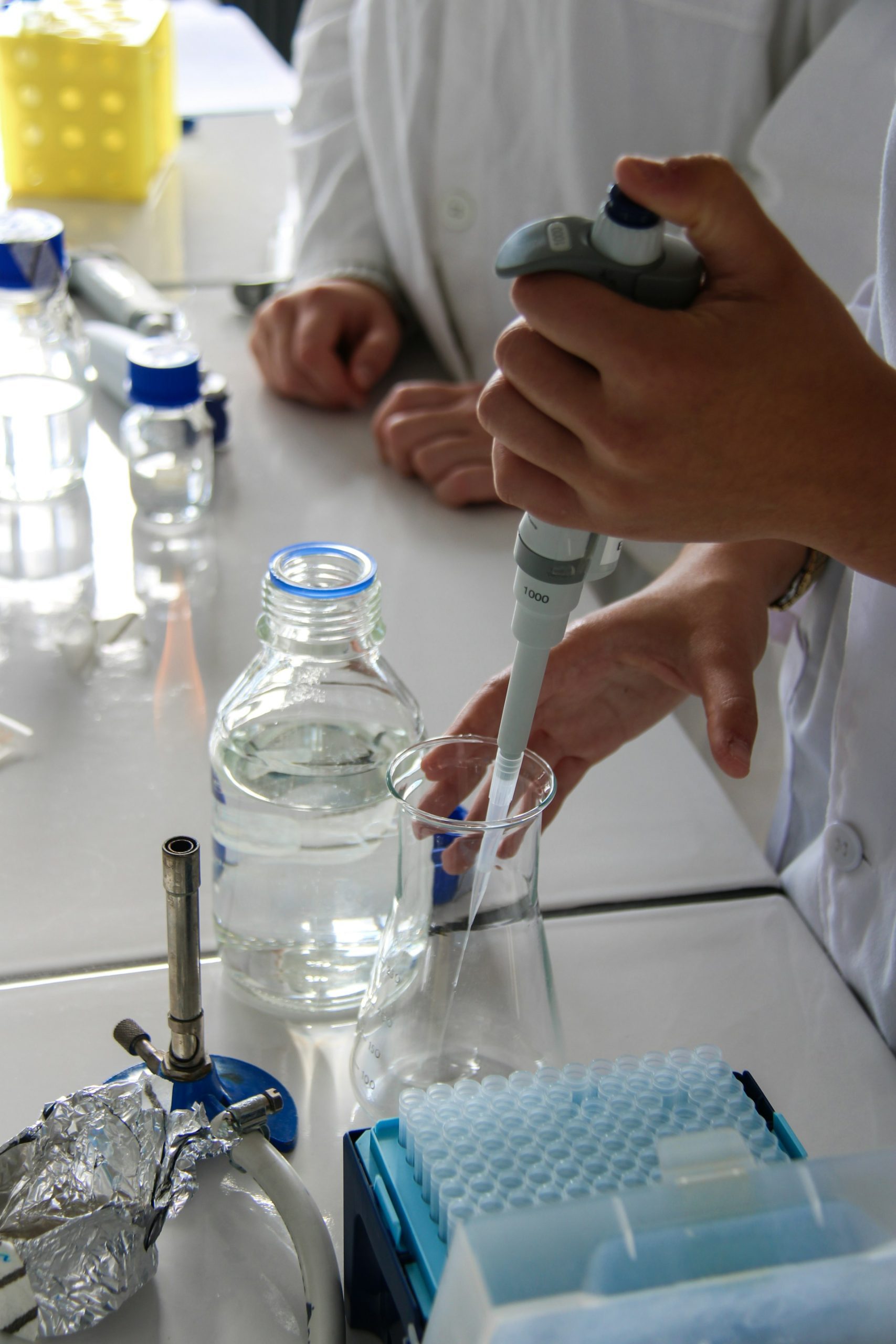
This module explores the journey from plant material to the evaluation of bioactive compounds, integrating techniques in natural product extraction, biochemical analysis, cell culture, and enzymatic pathway inhibition.

First, students will be introduced to plant extracts-concentrated substances derived from various plant parts, such as leaves, stems, roots, flowers, and seeds. Multiple extraction techniques will be presented, each with its own advantages and limitations. The selection of an appropriate extraction method will be discussed in relation to the plant material used, the target compounds, the desired level of purity, and the intended application of the final extract.

Next, the biochemical characterisation of the extracts will be demonstrated using three analytical assays: the Folin–Ciocalteu method for total phenolic content, the aluminium chloride assay for flavonoid content, and the FRAP assay for the evaluation of antioxidant activity. Data obtained from these assays will be subjected to thorough analysis and interpretation.

The third section will focus on basic in vitro cell culture techniques using human cell lines to investigate the cytocompatibility of the extracts. Students will perform the MTT assay, a well-established method for assessing cytotoxicity, using a range of extract concentrations and incubation periods. Subsequent data analysis will be conducted to determine a safe concentration range for further application.

Finally, the Renin-Angiotensin System (RAS) will be examined as a key regulator of blood pressure through an enzymatic cascade. Emphasis will be placed on the inhibition of angiotensin-converting enzyme (ACE) as a therapeutic target. Students will explore the physiological role of the RAS and screen plant extracts for potential ACE inhibitors. A SWOT analysis of existing screening methods will guide the development of informed recommendations.

By integrating natural product research with biomedical applications, this module offers a comprehensive and interdisciplinary learning experience.

General learning outcomes

  • Formulate and apply appropriate methodological approaches for the extraction and screening of plant-derived compounds using biochemical and cellular assays.
  • Select suitable in vitro bioassays (e.g. MTT, antioxidant assays, and enzymatic inhibition tests) for the identification and evaluation of bioactive fractions.
  • Perform and interpret biochemical assays, including the Folin–Ciocalteu method, the aluminium chloride method, and the FRAP assay, for the characterisation of plant extracts.
  • Apply basic cell culture techniques to assess the cytocompatibility of plant extracts using the MTT assay, and analyse data to determine safe concentration ranges.
  • Explain the function of the Renin–Angiotensin System (RAS) and the role of angiotensin-converting enzyme (ACE) in blood pressure regulation.
  • Design and implement screening strategies to identify potential ACE-inhibitory compounds in plant extracts.
  • Critically evaluate and compare screening methodologies using SWOT analysis and formulate recommendations for methodological optimisation.

Prerequisites for participating students 

English (level B2) Biology, Biochemistry

Assessment method 

Online tests

Certification (ECTS where applicable) 

Certificate of completion


Apply here

Topic area:

Biotechnology

Dates:

20-27/02/2026

Deadline for applications:  

13/02/2026 at 12.00 CET

Schedule:

View here

Delivery of courses format

Online

Main Contact Person:

Asst. Prof. Georgia Moschopoulou (geo_mos@aua.gr), Agricultural University of Athens

For information regarding applications:

Dr. Evanthia Chatzoglou (echatzoglou@aua.gr)

See us

☕🔬 UCV launches their first UCV Late Meetings Last ☕🔬 UCV launches their first UCV Late Meetings
Last week, the @universidadcatolicavalencia launched UCV Late Meetings, a new initiative from its Vice-Rectorate for Research. The project transformed one of its campus cafés into a hub for public engagement and scientific outreach 🗣️.

The following researchers took part in this inaugural session:
📜 Catalina Martín, who shared how a passion for history drives her research.
🚶‍♂️🧠 Alonso Sánchez , who spoke about urban walkability and exercise as a treatment for Alzheimer’s disease.
🧬 Jesús Ignacio López, who discussed response mechanisms to the activation of endogenous retroviruses.
📱🔬 Miriam Martínez, who explained microRNAs as the cell’s “internal WhatsApp”.

Our thanks go to everyone at UCV who helped turn this initiative into a way of making research more accessible to all! 
#EUCONEXUS #EuropeanUniversities #Research #UCVLateMeetings
Reminder for Bachelor students: Got an idea that c Reminder for Bachelor students: Got an idea that can make an impact?

From urban challenges to coastal issues - or anything you care about - bring it to the EU-CONEXUS Innovation Contest of Ideas and bring your vision to life!

Develop your own project or start-up concept—whether it tackles urban challenges, coastal issues, Smart Urban Coastal Sustainability (SmUCS), or any field of innovation.

Join the EU-CONEXUS Innovation Contest of Ideas, work in teams, get mentoring & workshops, and pitch your concept to an international jury. Turn your idea into something that can make a real-world impact! 💡

Good news: the application deadline has been extended until 1 March 2026! So grab your teammates, polish your idea, and get it started.

✨ Why join?
• Develop creative concepts in teams (multinational optional)
• Receive mentoring and skill-boosting workshops
• Present your ideas to an international jury
• Win up to €1,500 💰

📅 New deadline: 1 March 2026
🏆 Prizes: 1st €1,500 | 2nd €1,000 | 3rd €500
👉 Apply now: [link in bio]

#EUCONEXUS #InnovationContest #StudentIdeas #BachelorChallenge #EuropeanUniversities
🌍𝗘𝗨-𝗖𝗢𝗡𝗘𝗫𝗨𝗦 𝗦𝘁𝘂𝗱𝗲𝗻𝘁 𝗼𝗻 𝘁𝗵𝗲 𝗚𝗹𝗼𝗯𝗮𝗹 𝗜𝗻𝗻𝗼𝘃𝗮𝘁𝗶𝗼𝗻 𝗦𝘁𝗮𝗴𝗲 🌍𝗘𝗨-𝗖𝗢𝗡𝗘𝗫𝗨𝗦 𝗦𝘁𝘂𝗱𝗲𝗻𝘁 𝗼𝗻 𝘁𝗵𝗲 𝗚𝗹𝗼𝗯𝗮𝗹 𝗜𝗻𝗻𝗼𝘃𝗮𝘁𝗶𝗼𝗻 𝗦𝘁𝗮𝗴𝗲
This semester, Iván Toro Pineda, a student in the EU-CONEXUS Joint Master Programme in Marine Biotechnology at @univlarochelle , took part in the 10th Hong Kong Techathon+, one of Asia’s leading international innovation and tech entrepreneurship events.

As a member of an international team, Iván presented Envirovex, a biotechnology project addressing antibiotic residues in wastewater to help fight antimicrobial resistance.

💬 “𝘗𝘢𝘳𝘵𝘪𝘤𝘪𝘱𝘢𝘵𝘪𝘯𝘨 𝘪𝘯 𝘵𝘩𝘦 𝘏𝘰𝘯𝘨 𝘒𝘰𝘯𝘨 𝘛𝘦𝘤𝘩𝘢𝘵𝘩𝘰𝘯+ 𝘸𝘢𝘴 𝘢 𝘮𝘦𝘮𝘰𝘳𝘢𝘣𝘭𝘦 𝘦𝘹𝘱𝘦𝘳𝘪𝘦𝘯𝘤𝘦, 𝘣𝘰𝘵𝘩 𝘱𝘦𝘳𝘴𝘰𝘯𝘢𝘭𝘭𝘺 𝘢𝘯𝘥 𝘱𝘳𝘰𝘧𝘦𝘴𝘴𝘪𝘰𝘯𝘢𝘭𝘭𝘺. 𝘞𝘰𝘳𝘬𝘪𝘯𝘨 𝘸𝘪𝘵𝘩 𝘱𝘢𝘳𝘵𝘪𝘤𝘪𝘱𝘢𝘯𝘵𝘴 𝘧𝘳𝘰𝘮 𝘢𝘭𝘭 𝘰𝘷𝘦𝘳 𝘵𝘩𝘦 𝘸𝘰𝘳𝘭𝘥 𝘣𝘳𝘰𝘢𝘥𝘦𝘯𝘦𝘥 𝘮𝘺 𝘱𝘦𝘳𝘴𝘱𝘦𝘤𝘵𝘪𝘷𝘦 𝘰𝘯 𝘵𝘦𝘤𝘩𝘯𝘰𝘭𝘰𝘨𝘪𝘤𝘢𝘭 𝘦𝘯𝘵𝘳𝘦𝘱𝘳𝘦𝘯𝘦𝘶𝘳𝘴𝘩𝘪𝘱 𝘢𝘯𝘥 𝘨𝘭𝘰𝘣𝘢𝘭 𝘤𝘩𝘢𝘭𝘭𝘦𝘯𝘨𝘦𝘴.”

With over 1,900 participants and 300+ projects worldwide, his selection among the top 50 teams highlights the international reach and innovation-driven spirit of EU-CONEXUS programmes.

👏 Congratulations to Iván for proudly representing EU-CONEXUS and La Rochelle Université!

#EUCONEXUS #MarineBiotechnology #Innovation #StudentSuccess #Entrepreneurship
🎉 Meet the winners of the EU-CONEXUS Innovation Co 🎉 Meet the winners of the EU-CONEXUS Innovation Contest 2025!

On 3 December 2025, talented students and researchers pitched their innovative ideas to our distinguished jury, including PhD Maria Gil-Marques (@universidadcatolicavalencia ), Carol Faughnan (@setuireland ), Eléa Dupont-Tabel (@utcbro ), Loreta Staškūnienė, and Jonas Žolobaila (@klaipedauniversity ). After careful deliberation, the winners were selected, and we are excited to introduce them to the community.

Swipe through to discover their inspiring projects—from marine conservation and sustainable living to next-gen health tech.

💡 Student Winners:
1st Place: Ghina Alyaa Khairunnisa Purnomo – SeaCollect: Marine Species Detection and Monitoring
2nd Place: Michael Warren Gonzales Ceballos – Bio-Reef: 3D-Printed Living Breakwaters
3rd Place: Agnė Cicėnaitė – Nature-Inclusive Acoustic Sleeve🔬 

Researcher Winners:
1st Place: Angel Serrano Aroca – Next-Generation Antimicrobial Personal Protection Device
2nd Place: Matei-Razvan Georgescu – Digital Twin for a Thermal Manikin
3rd Place: Gabrielle Salzwedel – Eco-Lovers: Personalized Sustainable Living Guide🌱 Your idea could be next!

The EU-CONEXUS Innovation Contest of Ideas for Bachelor students is now open. Apply by 1 March for your chance to win up to €1,500 and bring your vision to life.

🔗 Link in bio

#InnovationContest #EUCONEXUS #SustainableInnovation #FutureMakers #europeanuniversities
🦐 @klaipedauniversity spin-off AquaQLT secures a E 🦐 @klaipedauniversity spin-off AquaQLT secures a European patent

Klaipeda University (KU) has been granted a European patent for an innovative vertical shrimp farming technology – the Shrimp Tower, developed by KU researchers and commercialised through the spin-off AquaQLT.

This space-efficient, energy-smart solution is designed for sustainable shrimp farming under European conditions and is now moving towards market launch.

👉 Read the full story on the “news” section of our website and learn how KU research is transforming into market-ready innovation #klaipedauniversity #euconexus #europeanuniversities #europeanpatent #aquaculture
15-minute cities cut the commute time – but do the 15-minute cities cut the commute time – but do they help social equality? 🌆

A recent study by researchers at the @utcbro suggests that they don’t. ✋

For a proactive approach, Oana Luca and Emanuel Răuță examined a neighbourhood in the city of Ploiești, Romania, to see how a 15-minute city functions in practice. 

The conclusion? 🧐

Equity must be part of the conversation from the start.

Learn more about the 15-minute city concept and the issues behind it on the “news” section of our website #euconexus #europeanuniversities #smucsweeklybite #sustainability #15minutecity
🆕 𝗡𝗲𝘄 𝗢𝗟𝗛 𝗢𝗳𝗳𝗲𝗿𝘀 𝗡𝗼𝘄 𝗔𝘃𝗮𝗶𝗹𝗮𝗯𝗹𝗲! We are excited to 🆕 𝗡𝗲𝘄 𝗢𝗟𝗛 𝗢𝗳𝗳𝗲𝗿𝘀 𝗡𝗼𝘄 𝗔𝘃𝗮𝗶𝗹𝗮𝗯𝗹𝗲!
We are excited to announce that 𝗻𝗲𝘄 𝗢𝗽𝗲𝗻 𝗟𝗮𝗯 𝗛𝗼𝘂𝗿𝘀 (𝗢𝗟𝗛) 𝗼𝗳𝗳𝗲𝗿𝘀 are now available on our website.

𝗪𝗵𝗮𝘁 𝗮𝗿𝗲 𝗢𝗽𝗲𝗻 𝗟𝗮𝗯 𝗛𝗼𝘂𝗿𝘀❓

Open Lab Hours (OLH) are short 5-day training sessions on research topics provided by an intra-alliance team of mentors. They are designed for undergraduate and post-graduate master students of EU-CONEXUS universities with a keen interest in exploring research avenues related to Smart Urban Coastal Sustainability.

During OLH, students gain essential competencies from various alliance partners. Each OLH will take place in a hybrid format, combining simultaneously:

🔹 𝗢𝗻-𝘀𝗶𝘁𝗲 𝘁𝗿𝗮𝗶𝗻𝗶𝗻𝗴 𝘀𝗲𝘀𝘀𝗶𝗼𝗻𝘀 provided by the home University, focusing on advanced instrumentation and advanced instrumentation and specimen/data collection;

🔹 𝗥𝗲𝗺𝗼𝘁𝗲 𝘁𝗿𝗮𝗶𝗻𝗶𝗻𝗴 𝘀𝗲𝘀𝘀𝗶𝗼𝗻𝘀 featuring literature search, specialized software implementation, research methods, ethics, scientific writing, and preparation for international competitions.

🔗 For more information about the available Open Lab Hours programs and the application process, you can visit the link in bio.

#EUCONEXUS #ResearchinEducation #OpenLabHours #europeanuniversities #training
🌊 UCV Research Institute Leads Major European Proj 🌊 UCV Research Institute Leads Major European Project to Protect the Mediterranean: LIFE PINNACARE 🔬

The @universidadcatolicavalencia is making waves! As a proud partner of EU-CONEXUS, one of UCV’s research institutes is leading the new LIFE PINNACARE project—a nearly 4M€ European initiative to rescue the fan mussel (Pinna nobilis) from extinction. 🦪

Why is this a game-changer? 
🔹 UCV Leadership: Led by UCV marine research institute, @imedmar_ucv team, this project brings together 11 international institutions. 
🔹 Massive Scale: Action across 32 Natura 2000 protected sites in 5 countries. 
🔹 Coastal Future: It’s not just about one species; it’s about the health and sustainability of our entire Mediterranean coast.

Over the next 50 months, UCV researchers will lead the way in turning the tide for marine biodiversity. 
We are committed to Smart Urban Coastal Sustainability. Let’s protect our blue planet! 🌍💙

#EUCONEXUS #europeanuniversities #Research #CoastalSustainability #LifePinnacare HorizonEurope

Info

  • Who we are
  • Visual identity
  • FAQ

Policy

  • Privacy policy
Facebook link Instagram link Twitter link Linkedin link Youtube link
Eu Conexus Eu Conexus

© 2020 euconexus

all rights reserved

Eu Conexus

Disclaimer: Funded by the European Union. Views and opinions expressed are however those of the author(s) only and do not necessarily reflect those of the European Union or European Commission and EU executive agencies. Neither the European Union nor the granting authority can be held responsible for them.

x
Field is required.