small-conexus-logo
  • About us
      For
    • Who we are
    • Structure
    • EU-CONEXA
    • Cooperations & Partnerships
    • Documents & Policies
  • News
  • Events
  • Calls
  • Projects
  • Contacts

FOR


  • Students
      For For Students
    • Studies
    • Mobility
    • Campus life
  • Researchers
      For For Researchers
    • Contact Point for Technology Transfer and Innovation (CONTI)
    • Project Development Support
    • Research Facilities
    • Research & Innovation Information System
    • PhD and postdoc opportunities
    • Joint Research Area
    • Scientific Journals & Publications
    • Mobility
    • Calls
  • Teaching staff
      For
    • EU-CONEXUS Project Development Support Office (PDSO)
    • ODSO services
    • Call for visiting teachers
    • Mobility
    • Contact Point for Technology Transfer and Innovation (CONTI)
    • Calls
  • Schools
      For
    • School Contest
    • Cooperation Opportunities
  • Administrative staff
      For For Staff
    • Mobility opportunities
    • Calls
  • Stakeholders
SMART CAMPUS
Search Search
Version for disabled
SMART CAMPUS
Search Search
logo

Are Estuaries Sources or Sinks of Plastic Pollution? High-Resolution Modeling of Macroplastic Emissions, Transport, and Fate
Are Estuaries Sources or Sinks of Plastic Pollution? High-Resolution Modeling of Macroplastic Emissions, Transport, and Fate

Are Estuaries Sources or Sinks of Plastic Pollution? High-Resolution Modeling of Macroplastic Emissions, Transport, and Fate

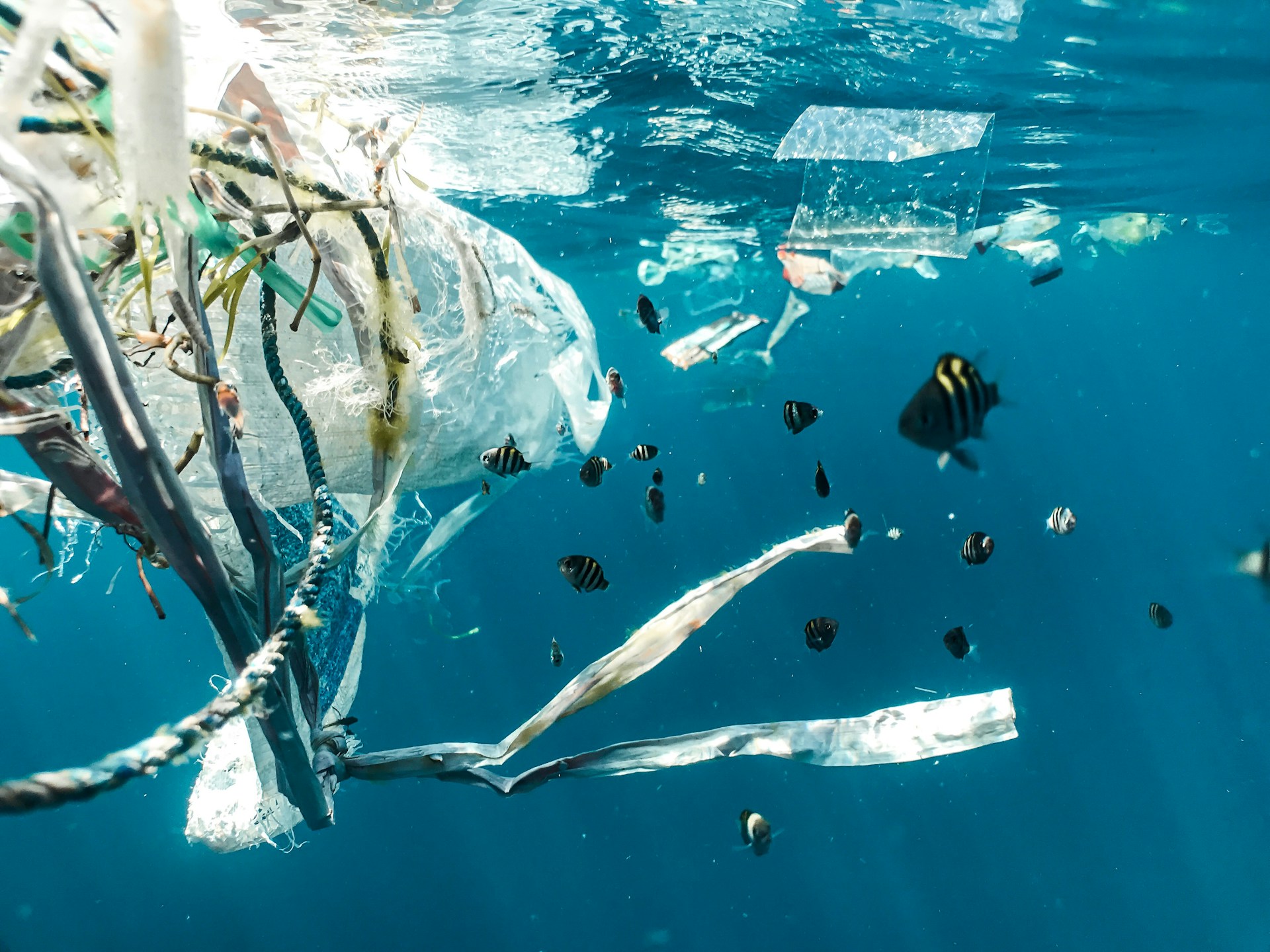
Rivers have been suggested to be important pathways of litter into the ocean, with estimates between 1.15 – 2.41 million tons of plastic per year globally (Lebreton et al. 2017) or 307 and 925 million items per year for Europe alone (González-Fernández et al. 2021). Similarly, estuaries account for 88% of the global coastline acting as filters for water and sediments (Dürr et al. 2011). However, processes of transport and retention at rivers and estuaries are still poorly understood. In this study, 1) we estimate an emission budget for an urbanized estuary in the Baltic Sea, to assess the emission from floating macroplastics into the sea and 2) assess the transport and retention dynamics using a hydrodynamic model of 20m horizontal resolution and a Lagrangian particle tracking using the Ocean Parcels.

Apply

Scientific Domain:

Environmental Sciences And Biodiversity

Presenter:

Gabriela Escobar Sanchez (Doctoral student in Ecology and Environmental Studies)

Date of presentation:

05/06/2025

Time of presentation:

14:00 CET

See us

🎉 Meet the winners of the EU-CONEXUS Innovation Co 🎉 Meet the winners of the EU-CONEXUS Innovation Contest 2025!

On 3 December 2025, talented students and researchers pitched their innovative ideas to our distinguished jury, including PhD Maria Gil-Marques (@universidadcatolicavalencia ), Carol Faughnan (@setuireland ), Eléa Dupont-Tabel (@utcbro ), Loreta Staškūnienė, and Jonas Žolobaila (@klaipedauniversity ). After careful deliberation, the winners were selected, and we are excited to introduce them to the community.

Swipe through to discover their inspiring projects—from marine conservation and sustainable living to next-gen health tech.

💡 Student Winners:
1st Place: Ghina Alyaa Khairunnisa Purnomo – SeaCollect: Marine Species Detection and Monitoring
2nd Place: Michael Warren Gonzales Ceballos – Bio-Reef: 3D-Printed Living Breakwaters
3rd Place: Agnė Cicėnaitė – Nature-Inclusive Acoustic Sleeve🔬 

Researcher Winners:
1st Place: Angel Serrano Aroca – Next-Generation Antimicrobial Personal Protection Device
2nd Place: Matei-Razvan Georgescu – Digital Twin for a Thermal Manikin
3rd Place: Gabrielle Salzwedel – Eco-Lovers: Personalized Sustainable Living Guide🌱 Your idea could be next!

The EU-CONEXUS Innovation Contest of Ideas for Bachelor students is now open. Apply by 1 March for your chance to win up to €1,500 and bring your vision to life.

🔗 Link in bio

#InnovationContest #EUCONEXUS #SustainableInnovation #FutureMakers #europeanuniversities
🦐 @klaipedauniversity spin-off AquaQLT secures a E 🦐 @klaipedauniversity spin-off AquaQLT secures a European patent

Klaipeda University (KU) has been granted a European patent for an innovative vertical shrimp farming technology – the Shrimp Tower, developed by KU researchers and commercialised through the spin-off AquaQLT.

This space-efficient, energy-smart solution is designed for sustainable shrimp farming under European conditions and is now moving towards market launch.

👉 Read the full story on the “news” section of our website and learn how KU research is transforming into market-ready innovation #klaipedauniversity #euconexus #europeanuniversities #europeanpatent #aquaculture
15-minute cities cut the commute time – but do the 15-minute cities cut the commute time – but do they help social equality? 🌆

A recent study by researchers at the @utcbro suggests that they don’t. ✋

For a proactive approach, Oana Luca and Emanuel Răuță examined a neighbourhood in the city of Ploiești, Romania, to see how a 15-minute city functions in practice. 

The conclusion? 🧐

Equity must be part of the conversation from the start.

Learn more about the 15-minute city concept and the issues behind it on the “news” section of our website #euconexus #europeanuniversities #smucsweeklybite #sustainability #15minutecity
🆕 𝗡𝗲𝘄 𝗢𝗟𝗛 𝗢𝗳𝗳𝗲𝗿𝘀 𝗡𝗼𝘄 𝗔𝘃𝗮𝗶𝗹𝗮𝗯𝗹𝗲! We are excited to 🆕 𝗡𝗲𝘄 𝗢𝗟𝗛 𝗢𝗳𝗳𝗲𝗿𝘀 𝗡𝗼𝘄 𝗔𝘃𝗮𝗶𝗹𝗮𝗯𝗹𝗲!
We are excited to announce that 𝗻𝗲𝘄 𝗢𝗽𝗲𝗻 𝗟𝗮𝗯 𝗛𝗼𝘂𝗿𝘀 (𝗢𝗟𝗛) 𝗼𝗳𝗳𝗲𝗿𝘀 are now available on our website.

𝗪𝗵𝗮𝘁 𝗮𝗿𝗲 𝗢𝗽𝗲𝗻 𝗟𝗮𝗯 𝗛𝗼𝘂𝗿𝘀❓

Open Lab Hours (OLH) are short 5-day training sessions on research topics provided by an intra-alliance team of mentors. They are designed for undergraduate and post-graduate master students of EU-CONEXUS universities with a keen interest in exploring research avenues related to Smart Urban Coastal Sustainability.

During OLH, students gain essential competencies from various alliance partners. Each OLH will take place in a hybrid format, combining simultaneously:

🔹 𝗢𝗻-𝘀𝗶𝘁𝗲 𝘁𝗿𝗮𝗶𝗻𝗶𝗻𝗴 𝘀𝗲𝘀𝘀𝗶𝗼𝗻𝘀 provided by the home University, focusing on advanced instrumentation and advanced instrumentation and specimen/data collection;

🔹 𝗥𝗲𝗺𝗼𝘁𝗲 𝘁𝗿𝗮𝗶𝗻𝗶𝗻𝗴 𝘀𝗲𝘀𝘀𝗶𝗼𝗻𝘀 featuring literature search, specialized software implementation, research methods, ethics, scientific writing, and preparation for international competitions.

🔗 For more information about the available Open Lab Hours programs and the application process, you can visit the link in bio.

#EUCONEXUS #ResearchinEducation #OpenLabHours #europeanuniversities #training
🌊 UCV Research Institute Leads Major European Proj 🌊 UCV Research Institute Leads Major European Project to Protect the Mediterranean: LIFE PINNACARE 🔬

The @universidadcatolicavalencia is making waves! As a proud partner of EU-CONEXUS, one of UCV’s research institutes is leading the new LIFE PINNACARE project—a nearly 4M€ European initiative to rescue the fan mussel (Pinna nobilis) from extinction. 🦪

Why is this a game-changer? 
🔹 UCV Leadership: Led by UCV marine research institute, @imedmar_ucv team, this project brings together 11 international institutions. 
🔹 Massive Scale: Action across 32 Natura 2000 protected sites in 5 countries. 
🔹 Coastal Future: It’s not just about one species; it’s about the health and sustainability of our entire Mediterranean coast.

Over the next 50 months, UCV researchers will lead the way in turning the tide for marine biodiversity. 
We are committed to Smart Urban Coastal Sustainability. Let’s protect our blue planet! 🌍💙

#EUCONEXUS #europeanuniversities #Research #CoastalSustainability #LifePinnacare HorizonEurope
⏰ Don’t forget! Last days to apply for the Spring ⏰ Don’t forget! Last days to apply for the Spring Call for Minors Programmes 🌍

What Minors do we offer?
🌊 Blue Economy and Growth
🌿 Coastal Development and Sustainable Maritime Tourism

You can either:
▶️ Complete the full 30-ECTS Minor throughout your Bachelor studies (e.g. one Minor course per semester) — 5 courses from 3 different universities and 2 thematic sectors;
or
▶️ Take individual courses, as many as you want.

📍 Exclusive for Bachelor Students
💻 Online attendance available
📅 Application deadlines vary by university
ℹ️Check the EU-CONEXUS Minors website to contact your Minor Officer at your university. They will help you plan your itinerary.
🔗 Link in bio

#EUCONEXUS #Minors #EuropeanUniversities #BlueEconomy #Coastal Development
Our Student Board wants to make its work more visi Our Student Board wants to make its work more visible and share insights into how they engage and what they work on. This is our first post in a series of regular updates! 👀

Last December, they had the amazing opportunity to attend the DAAD EUN Annual Conference in Germany. The DAAD (German Academic Exchange Service) hosted the event to foster exchange between European University Alliances. 🇪🇺

Here’s Giovanna, one of our Student Board members at @unirostock sharing her experience. 🤩

#EUCONEXUS #EuropeanUniversities #StudentBoard #Networking #StudentLeadership
𝗧𝗵𝗲 𝗘𝗨-𝗖𝗢𝗡𝗘𝗫𝗨𝗦 𝗥𝗲𝘀𝗲𝗮𝗿𝗰𝗵 𝗠𝗼𝗯𝗶𝗹𝗶𝘁𝘆 𝗥𝗲𝗽𝗼𝗿𝘁 𝟮𝟬𝟮𝟱 𝗶𝘀 𝗼𝘂 𝗧𝗵𝗲 𝗘𝗨-𝗖𝗢𝗡𝗘𝗫𝗨𝗦 𝗥𝗲𝘀𝗲𝗮𝗿𝗰𝗵 𝗠𝗼𝗯𝗶𝗹𝗶𝘁𝘆 𝗥𝗲𝗽𝗼𝗿𝘁 𝟮𝟬𝟮𝟱 𝗶𝘀 𝗼𝘂𝘁 𝗻𝗼𝘄!

This carousel gives you a quick overview of what research mobility looks like in practice — from key figures and real mobility experiences to the funding opportunities that make them possible.

The Mobility Report showcases the different EU-CONEXUS Research Mobility calls, including conference participation, research visits, and the invitation of external experts — an opportunity we are especially keen to promote.

🚀 Call for Invitation of External Experts — 𝗻𝗲𝘅𝘁 𝗱𝗲𝗮𝗱𝗹𝗶𝗻𝗲: 𝟯𝟭 𝗝𝗮𝗻𝘂𝗮𝗿𝘆
Apply to bring international expertise to your institution and strengthen your research network.

ℹ️ More information in the link in bio.

#EUCONEXUS #ResearchMobility #ExternalExperts #MobilityReport
#SmUCS #AcademicCollaboration #ResearchImpact #EuropeanUniversities

Info

  • Who we are
  • Visual identity
  • FAQ

Policy

  • Privacy policy
Facebook link Instagram link Twitter link Linkedin link Youtube link
Eu Conexus Eu Conexus

© 2020 euconexus

all rights reserved

Eu Conexus

Disclaimer: Funded by the European Union. Views and opinions expressed are however those of the author(s) only and do not necessarily reflect those of the European Union or European Commission and EU executive agencies. Neither the European Union nor the granting authority can be held responsible for them.

x
Field is required.