From Blood to Diagnosis: Introduction to Clinical and Hematological Laboratory Methods
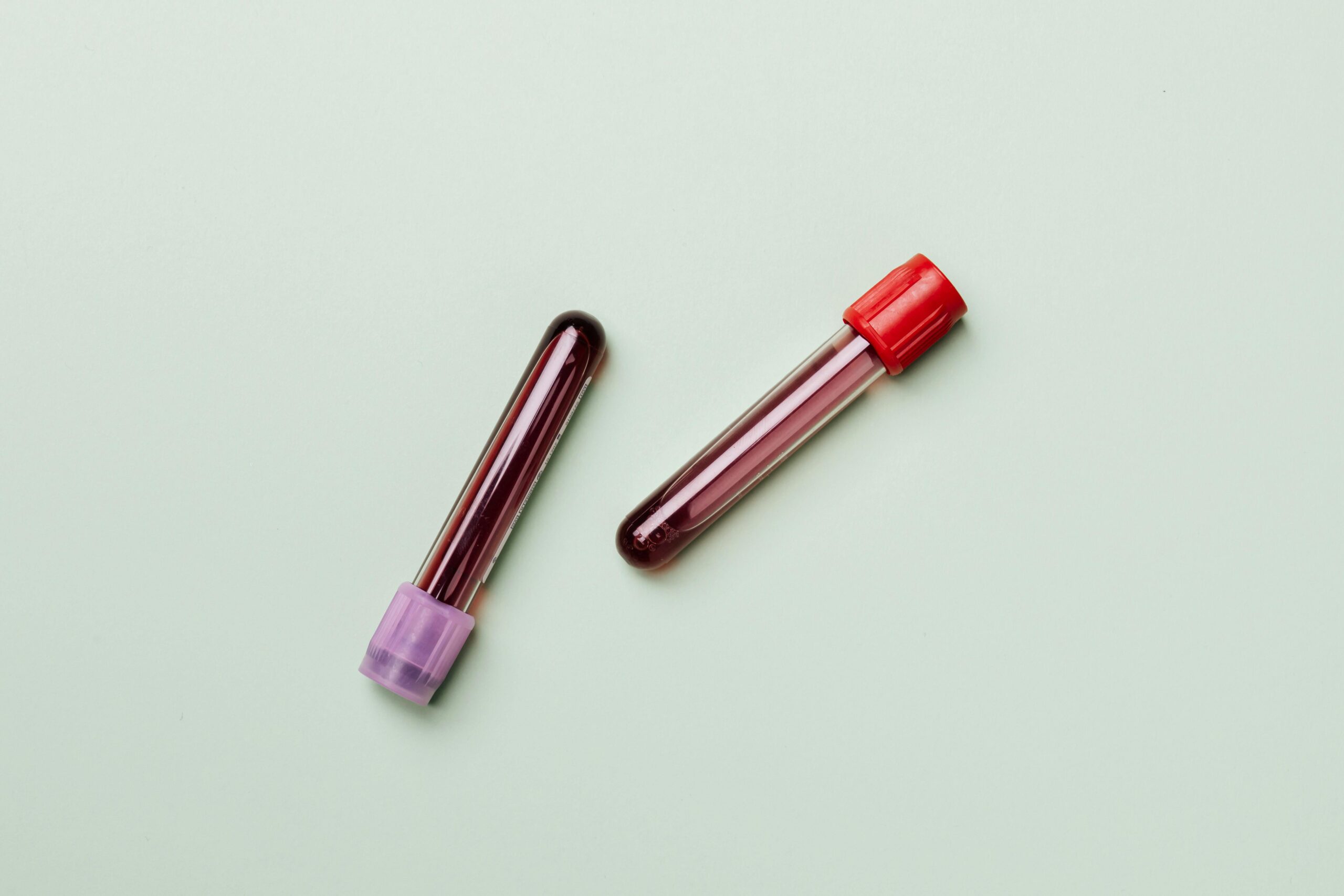
Blood analysis is one of the most common tools in clinical diagnostics. It provides important information regarding organ function, immune responses, blood cells, and potential disease-related alterations. Thus, blood tests are widely applied in biomedical sciences, pharmacology, and clinical laboratory practice.
This Student Research Hub project introduces students to basic methods used in blood-based diagnostics. The focus will be on blood cells, biochemical markers, blood grouping, and basic immunohematology. The Hub combines online teaching, hands-on laboratory training, and guided interpretation of diagnostic data.
During the online sessions, students will learn about the main cellular components of blood, blood sample collection, laboratory workflow, and pre-analytical factors. They will also discuss selected biochemical markers used in the evaluation of renal and liver function. During the physical sessions, students will prepare and stain blood smears, examine them under the microscope, and perform manual blood cell counting using a Neubauer chamber. They will also study ABO and Rhesus blood group systems through antigen-antibody reactions and compatibility examples.
The Hub will help students connect laboratory work with diagnostic reasoning. Through simple case studies, they will analyze laboratory observations, cell-counting calculations, biochemical results, blood group data, and basic immunohematology examples.
The course concludes with the preparation and presentation of a short scientific project. This will allow students to bring together laboratory skills, data interpretation, and scientific communication.
General learning outcomes
- Adherence to laboratory safety protocols and good laboratory practice.
- Understanding of basic blood physiology, blood cell morphology, and their relevance in clinical diagnostics.
- Application of selected hematological laboratory methods, including blood smear preparation, staining, microscopy, and manual blood cell counting using a Neubauer chamber.
- Understanding of ABO/Rhesus blood group systems, antigen-antibody reactions, and basic immunohematology principles.
- Analysis and interpretation of selected biochemical, hematological, and blood grouping data through guided clinical case studies.
- Improved skills in diagnostic reasoning, data interpretation, and scientific presentation using appropriate biomedical terminology.
| Assessment method: | Summative assessment based on active participation, completion of short quizzes after each activity, guided laboratory and data interpretation exercises, and a final oral presentation.
Students will also work with selected laboratory observations, cell-counting calculations, blood group compatibility examples, and simple clinical case scenarios. Evaluation will consider students’ understanding of the main concepts, their ability to interpret laboratory findings, their participation in practical and case-based activities, and the clarity of their scientific communication. |
| Prerequisites for participating students: | Basic knowledge of biology, physiology, biochemistry, pharmacology, biomedical sciences, or related life-science discipline.
Previous laboratory experience is useful but not required. Students participating in the physical laboratory component must follow laboratory safety rules and institutional biosafety requirements. |
| Certification: | EU-CONEXUS certificate of attendance |
Thematic area:
Clinical Diagnostics; Pharmacology; Biomedical Sciences; Laboratory Medicine; Immunohematology
Mentor:
Dr. Maria Papasavva
University:
Frederick University
Faculty/Department:
Department of Pharmacy
Mentor’s email address:
PhD Leader:
Nektarios Nikolaou
PhD Leader’s email address:
Start date:
29/06/2026
Closing date:
24/07/2026
Deadline for applications:
15/06/2026
Physical presence mandatory:
YES
Duration of physical presence:
1 week (13/07/2026 – 17/07/2026)
For mobility grants, contact your Institutional Coordinator as indicated in the “🔗Contact us” section
Only online courses:
NO