Comparative research into robotic steel welding processes
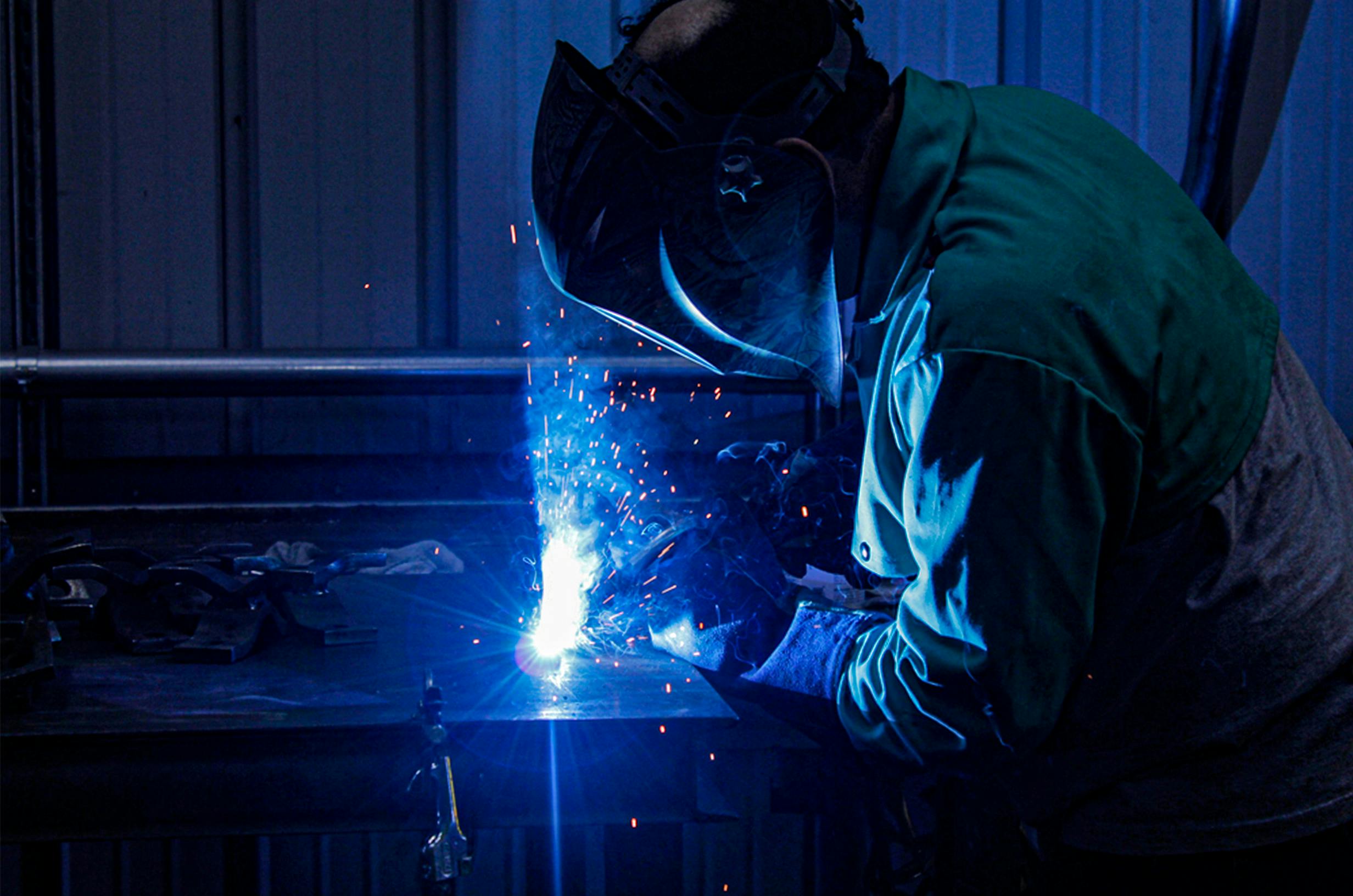
Over the next 10–20 years, it is highly likely that IMO decarbonisation requirements will support a higher volume of newbuilding orders. However, global shipbuilding capacity is limited despite the fact that advanced shipyards use flow-line fabrication, highly automated panel lines and robots for welding volumetric sections. As welding represents roughly 25–30% of the labour involved in shipbuilding, improvements in welding have a disproportionate effect on cost, quality, schedule, geometry, and labour productivity. Therefore, all shipyards are investing heavily in automated and robotic welding, digital welding management, laser-based processes, and AI-assisted inspection. In theory, robotics can help to address these issues by improving productivity, repeatability, quality, labour efficiency and worker safety, as well as reducing distortions. However, in practice, the effect of introducing robotic welding varies due to the different welding processes and consumables.
In industrial practice, processes 135 — Gas Metal Arc Welding (GMAW), 136 — Flux-Cored Arc Welding (FCAW), and 138 — Metal-Cored Arc Welding (MCAW) are widely used. These processes differ in metal transfer mechanisms, arc characteristics, and weld formation conditions. The aim of this SRH is to conduct a comparative analysis of the productivity of welding processes 135 GMAW, 136 FCAW, and 138 MCAW, with the intention of applying the obtained results in practice.
General learning outcomes
- Understands how the world shipbuilding market works, what determines the competitiveness of shipyards.
- Able to analyse arc welding processes and consumables within the context of automated and robotised production.
- Understands how to develop an experimental methodology, including justifying the selection of GMAW, FCAW and MCAW processes, defining controlled parameters, preparing samples and ensuring the comparability of welding conditions.
- Understands how to perform quality control of welded joints, including applying non-destructive testing methods such as visual inspection and geometric measurements of welds, as well as destructive testing methods such as macrosection preparation and weld structure analysis.
- Can analyse the results obtained, including processing experimental data and comparing productivity indicators, process stability and weld quality characteristics for different welding processes
| Assessment method: | Report/Presentation |
| Prerequisites for participating students: |
English B1–B2 (recommended), as working language is English. Basic skills in material engineering |
| Certification: | EU-CONEXUS certificate of attendance |
Thematic area:
Welding in modern shipbuilding
Mentor:
Rima Mickeviciene
University:
Klaipeda University
Faculty/Department:
Faculty of Marine Technologies and Natural Sciences
Mentor’s email address:
PhD Leader:
Evgenii Iamshchikov
PhD Leader’s email address:
Start date:
01/06/2026
Closing date:
10/07/2026
Deadline for applications:
25/05/2026
Physical presence mandatory:
YES
Duration of physical presence:
One week 22/06/2026-26/06/2026
For mobility grants, contact your Institutional Coordinator as indicated in the “🔗Contact us” section
Only online courses:
NO