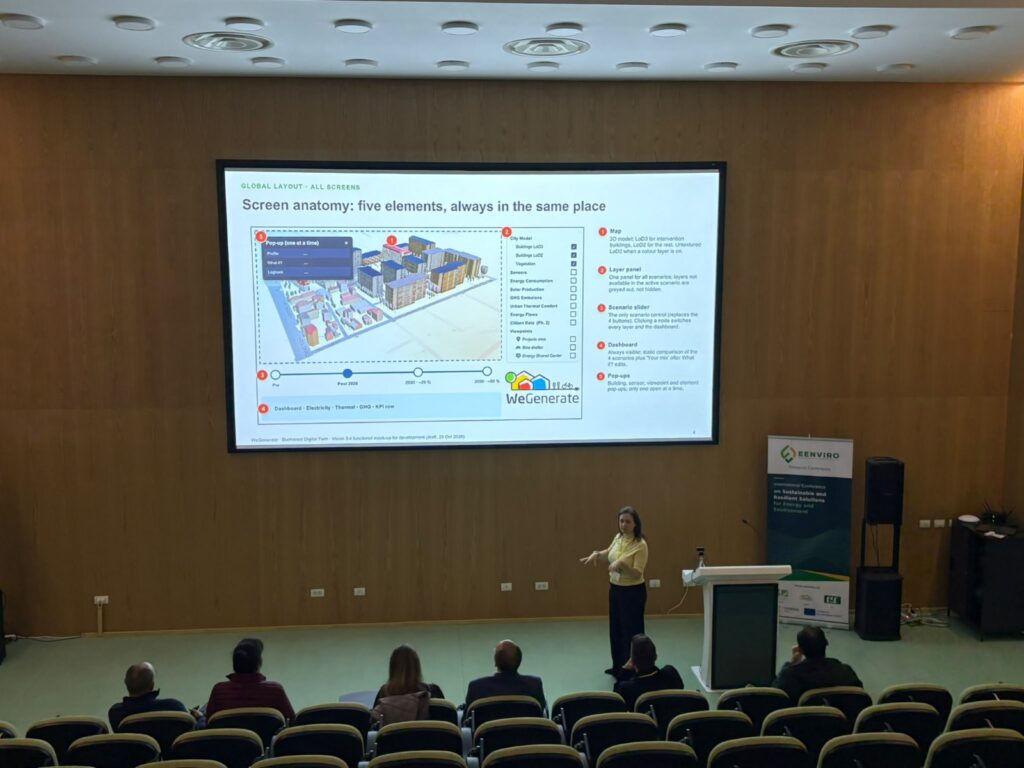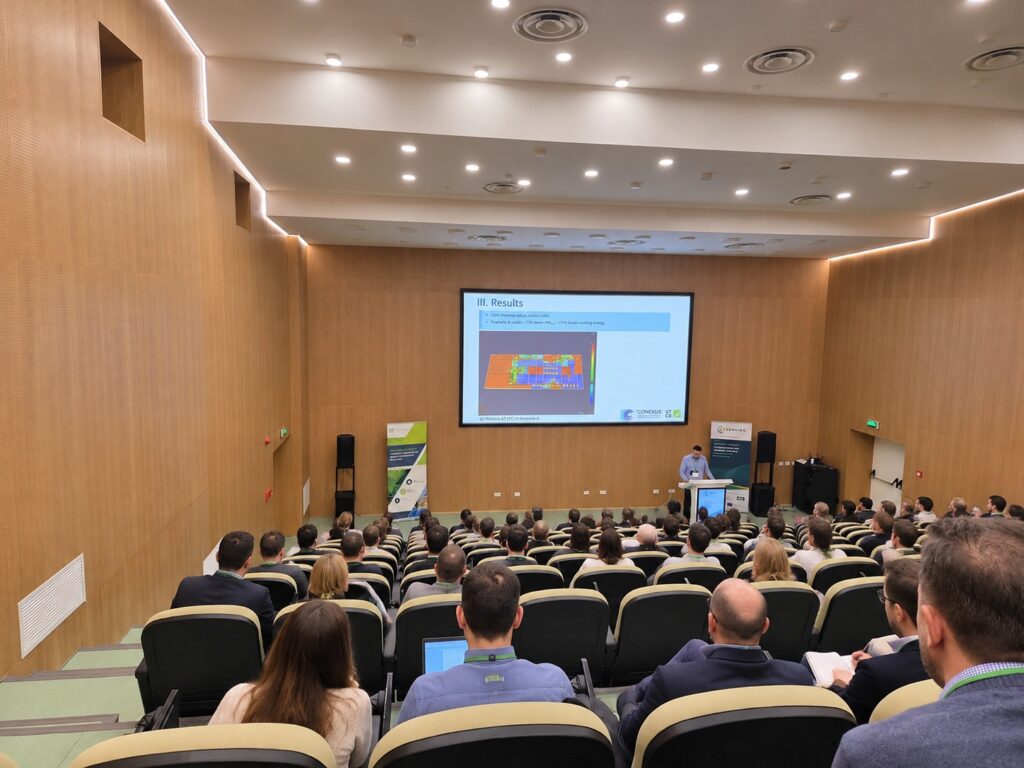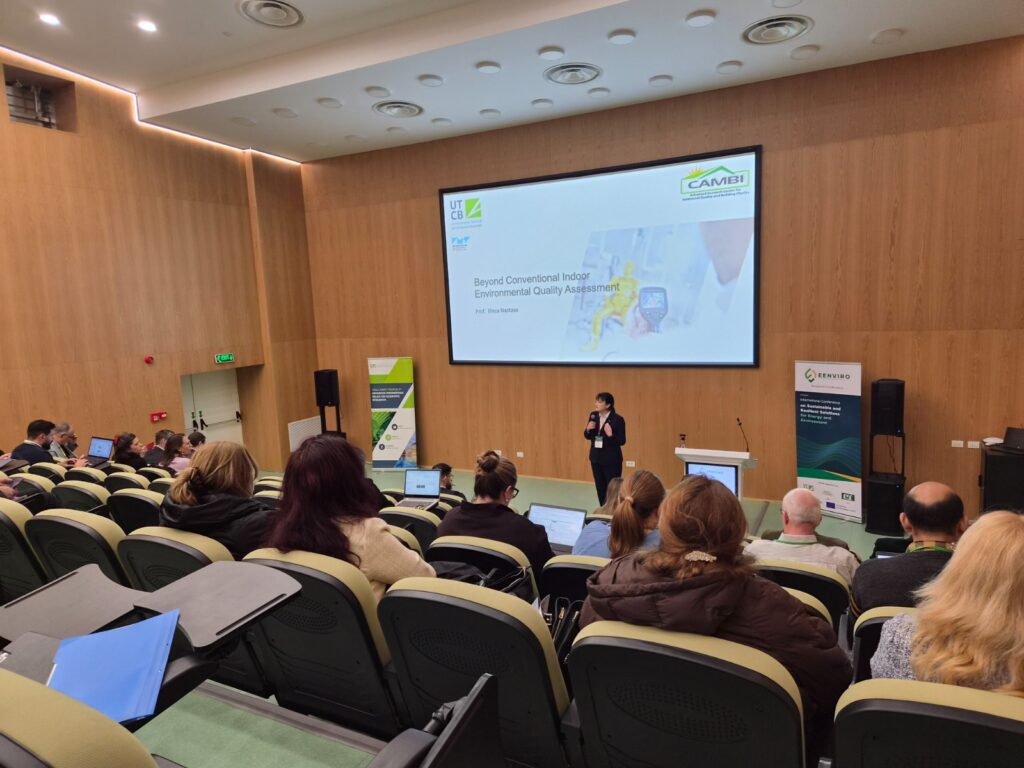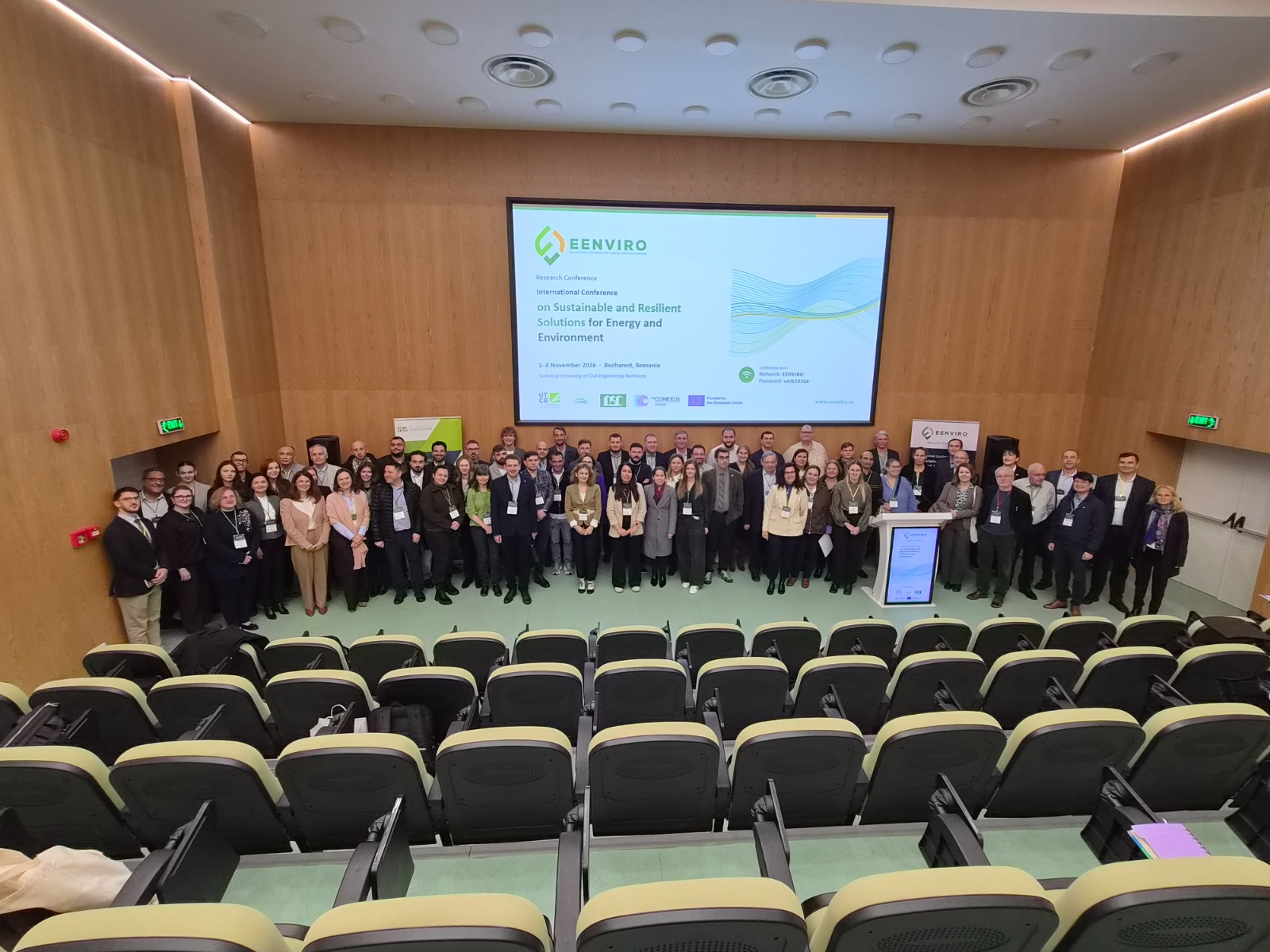
Building on a conference series launched in 2013, this anniversary edition combined scientific presentations with workshops focused on collaborative research, open science and the development of research networks. Through its scientific contributions, invited lectures and associated workshops, the programme brought together participants from at least 13 countries across Europe, Asia and Africa, both in person and online. The conference reaffirmed its role as an international platform for interdisciplinary dialogue in fields ranging from sustainable energy and the built environment to climate resilience, water resources, environmental monitoring, digital technologies and disaster risk reduction.
A central feature was the connection between researchers at different stages of their careers. Part of the scientific programme was dedicated to the 9th Conference of the UTCB Doctoral School, offering doctoral candidates and young researchers the opportunity to present emerging findings, discuss methodologies and receive feedback from experienced academics. Throughout the conference, participants engaged in scientific sessions, poster discussions and networking activities covering sustainable energy systems, thermal comfort and indoor environmental quality, renewable energy, water quality, geospatial monitoring, sustainable construction materials, fire safety, infrastructure resilience and seismic risk.
The event officially opened with remarks from UTCB’s leadership, including Prof. dr. ing. Radu Văcăreanu, Rector of UTCB; Prof. dr. ing. Ilinca Năstase, Vice-Rector for Scientific Research and International Affairs; Prof. dr. ing. Loretta Batali, Director of IOSUD-UTCB; and Conf. dr. ing. Cristiana Croitoru, Director of the UTCB Doctoral School. Their messages emphasised the importance of international cooperation, interdisciplinary research and doctoral education in addressing current environmental and societal challenges.
Six invited keynote speakers contributed perspectives from complementary scientific fields: Corneliu Balan, Ilinca Năstase, Massimiliano Fabbricino, Ashish Vashishtha, Rachid Cherif and Fabrizio Barpi. Their lectures connected the foundations and history of fluid mechanics with contemporary questions in human-centred building design, climate change adaptation, wastewater management, multidisciplinary innovation, sustainable materials and dam safety.
Particularly significant was the contribution of two keynote speakers representing partner universities from the EU-CONEXUS European University Alliance. Ashish Vashishtha from South East Technological University (SETU), Ireland, delivered a keynote on multidisciplinary innovation and learning across scientific boundaries, highlighting the value of transdisciplinary approaches to addressing sustainability challenges. Rachid Cherif from La Rochelle University, France, presented recent research on the durability of low-carbon concrete and the relationship between material sustainability and service life, reinforcing the conference’s commitment to sustainable construction and environmental responsibility. Their participation further strengthened research links within the EU-CONEXUS Alliance and highlighted the importance of European cooperation in advancing research excellence and innovation. Other EU-CONEXUS researchers also presented their findings during scientific sessions and poster presentations.
The workshops extended these discussions into the organisation and delivery of collaborative research. The PREPARE project workshop, chaired by Prof. dr. ing. Radu Văcăreanu, complemented the conference’s focus on disaster preparedness, risk management and community resilience. The programme also included dedicated workshops within the CATALIST project, creating opportunities for knowledge exchange between researchers, practitioners and policymakers.
As part of the EU-CONEXUS ENABLES project, the CoReS Editorial Board and Open Science Strategic Workshop addressed scientific publishing, reviewer development and the visibility and accessibility of research across the Alliance. Discussions explored opportunities for future submissions to Coastal Resilience and Sustainability (CoReS), strategies for strengthening open science practices and the long-term development of collaborative research communities across partner institutions. The workshop further supported the dissemination of research results and encouraged greater engagement with open-access scientific publishing.
A parallel symposium, “Contemporary Perspectives on Applied Ethics”, added another dimension to the conference, bringing together scholars from engineering, the humanities and social sciences to discuss ethical challenges associated with artificial intelligence, education, public communication, research integrity and technological development. The symposium highlighted the growing importance of ethics in a rapidly evolving scientific and technological landscape.
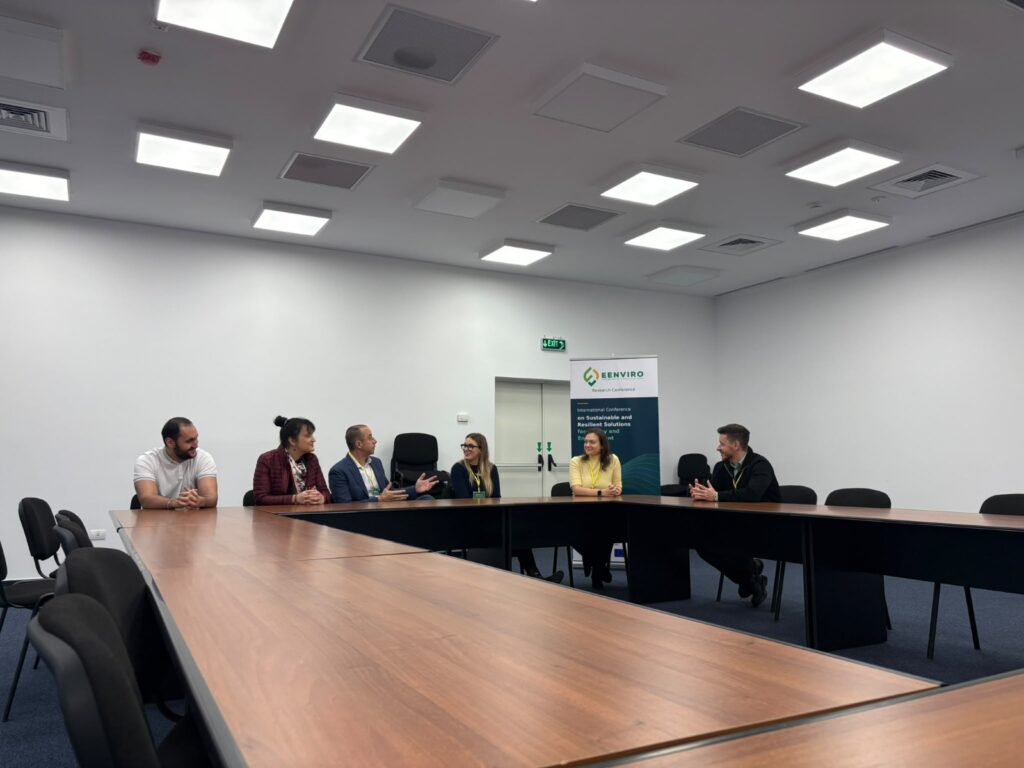
Beyond the scientific programme, participants benefited from poster sessions, informal networking opportunities, project meetings, a gala dinner in Bucharest’s historic centre and laboratory visits hosted by UTCB on the final day of the event. These activities fostered new partnerships and opened avenues for future research collaboration among universities and research organisations from different countries.
By bringing scientific presentations, doctoral training, research workshops and international networking into one comprehensive programme, EENVIRO 2026 created valuable opportunities to exchange methods, discuss work in progress and identify common research interests across institutions, disciplines and countries. The conference once again demonstrated the importance of international cooperation in developing innovative solutions for a more sustainable, resilient and environmentally responsible future.
The organising team thanks all contributors, reviewers, session chairs, staff and volunteers, as well as the conference’s partners and sponsors, including main sponsor ERBAȘU and sponsor APEL LASER, for their support and commitment to the success of this milestone edition.
Prof. Dr. Eng. Florin Bode, Chair of EENVIRO 2026, played a key role in the organisation and scientific coordination of the conference, contributing to its continued development as an international platform for academic dialogue, scientific exchange and interdisciplinary collaboration. Bringing together researchers, academics and industry professionals, EENVIRO 2026 – the International Conference on Energy and Environment provided an important opportunity to share innovative research, explore emerging technologies and discuss sustainable solutions to current challenges in the built environment, energy efficiency and environmental protection. Under Professor Bode’s leadership, the conference further strengthened its role in fostering international research partnerships, encouraging knowledge exchange and promoting scientific excellence, reflecting the Technical University of Civil Engineering Bucharest’s (UTCB) commitment to innovation, sustainability and international academic cooperation.
Further information and the conference programme are available at www.eenviro.ro.