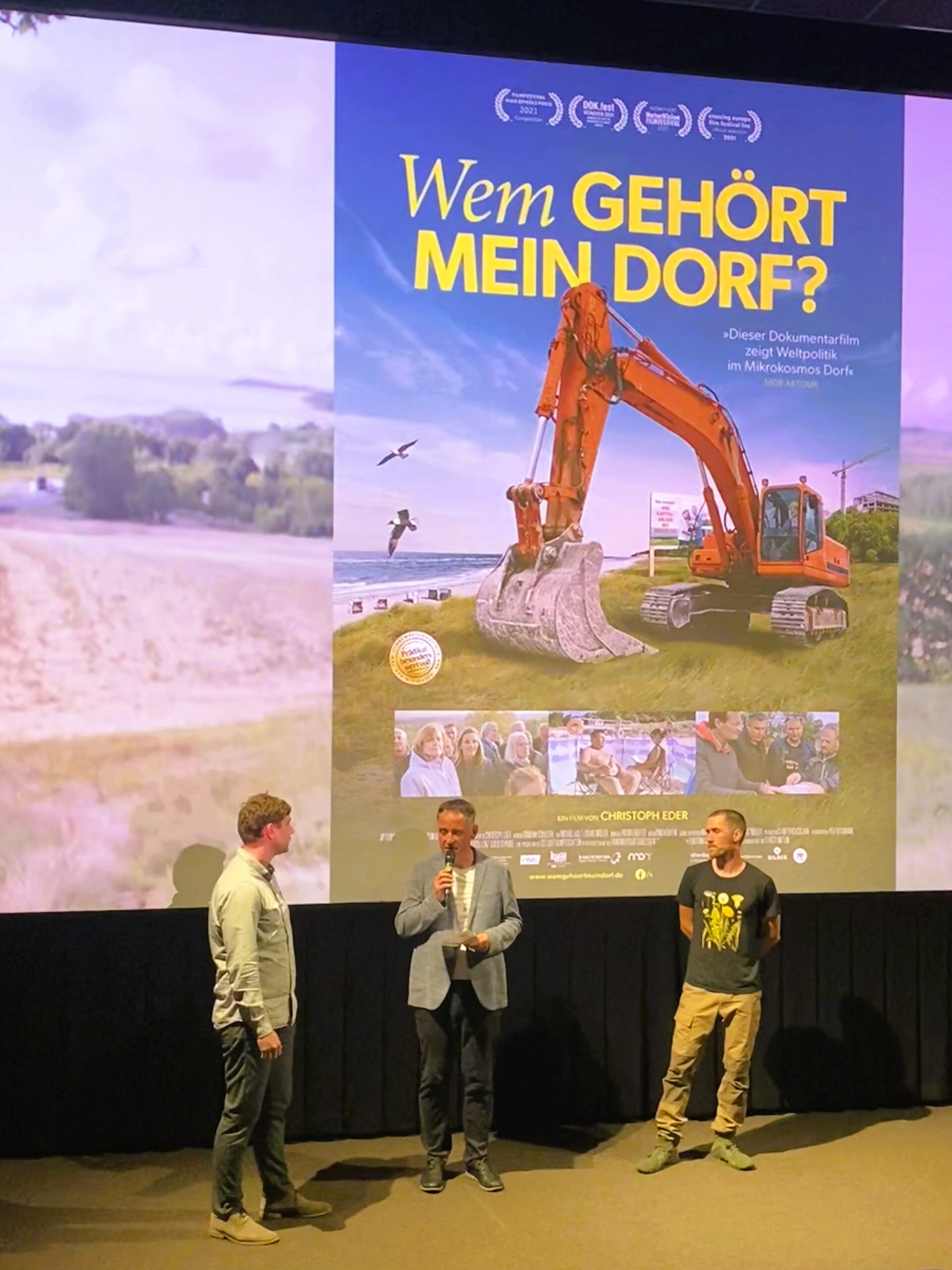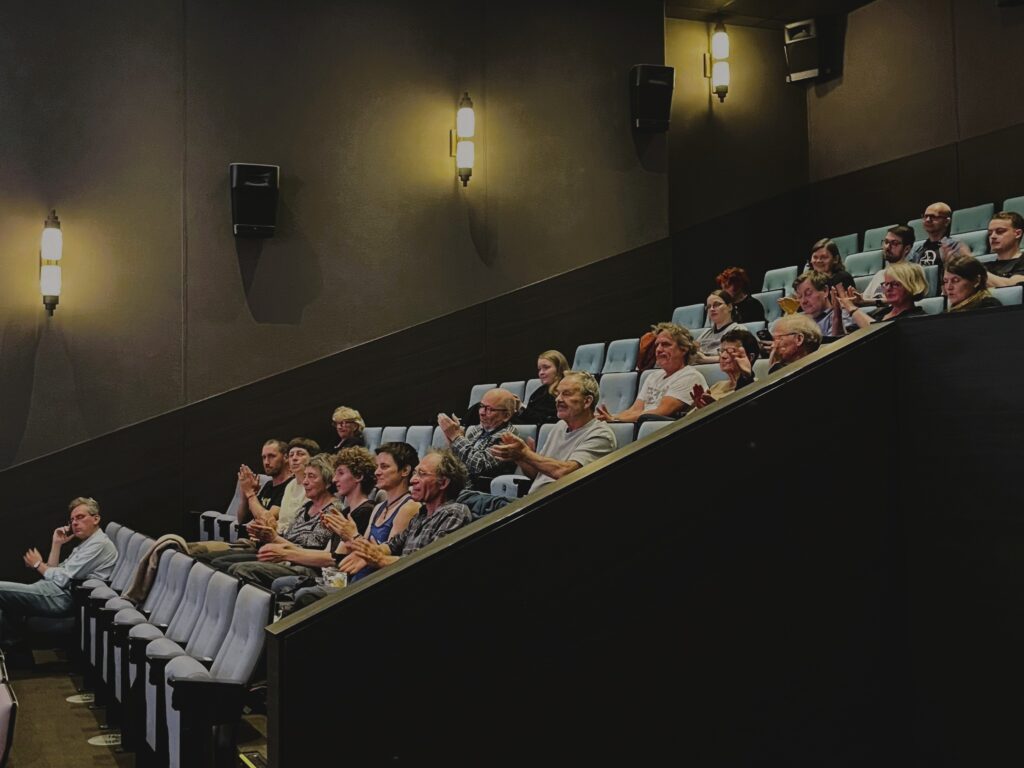
On 17 June 2026, more than 50 participants gathered at the Lichtspieltheater Wundervoll (LiWu) in Rostock, Germany, to watch the documentary Who Owns My Village? and discuss the future of tourism in Mecklenburg-Western Pomerania and beyond. The event, organised as part of the series What Moves Mecklenburg-Western Pomerania? – Societal Change in Turbulent Times in cooperation with EU-CONEXUS, brought together members of the university, the wider public and regional stakeholders.
The documentary explores questions of ownership, the common good and civic participation in tourism-dependent communities. Although director Christoph Eder was unable to attend in person, he addressed the audience via a video message before the discussion, highlighting the importance of local political engagement and the opportunities citizens have to shape developments within their own communities.
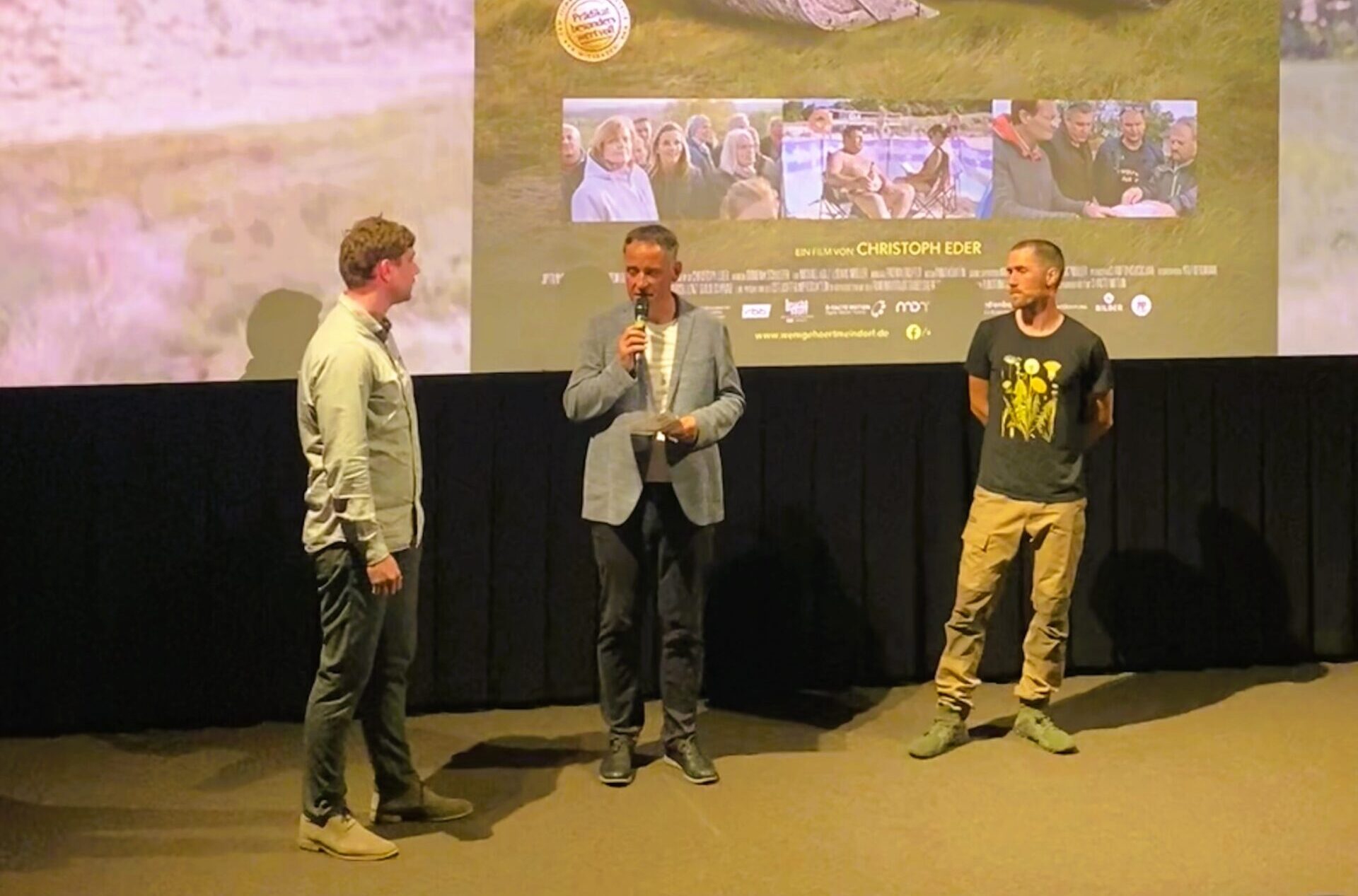
Following the screening, the audience joined Tim Sillack, chef, restaurateur and entrepreneur with projects in Cottbus and Wustrow, and Fabio Moriondo, an expert in nature-based and outdoor education, for a discussion on tourism, regional development and land-use conflicts in Mecklenburg-Western Pomerania.
Among the key topics discussed was how tourism can be developed without compromising the quality of life for local residents. Housing shortages, seasonal dependencies, corporate responsibility and the long-term development of local communities all featured prominently. Sillack argued that tourism should not be measured solely by economic indicators, but by whether investments create lasting value for a region and contribute to making communities attractive places to live and work.
Moriondo emphasised the importance of meaningful experiences in nature, particularly for children and young people. Early encounters with nature, he argued, can foster a stronger awareness of environmental responsibility and the common good, providing an important foundation for sustainable decision-making later in life.
Questions and comments from the audience further enriched the discussion. Participants reflected on the limits of tourism growth, the role of local political decision-making and ways to better balance economic development with community interests. Throughout the evening, it became clear that democratic participation at the local level plays a crucial role in shaping the future of communities.
The discussion also highlighted that the challenges portrayed in the film extend far beyond the Baltic seaside resort of Göhren. Similar issues can be found in many tourism-dependent coastal regions across Europe and around the world, underlining the broader relevance of the film and its themes.
Following the event, the documentary was made available online for one week to students and staff at all EU-CONEXUS partner universities with English subtitles. This allowed the conversation initiated in Rostock to continue across the alliance, encouraging dialogue on shared challenges and sustainable solutions for Europe’s coastal regions.
Author: Janine Marschner