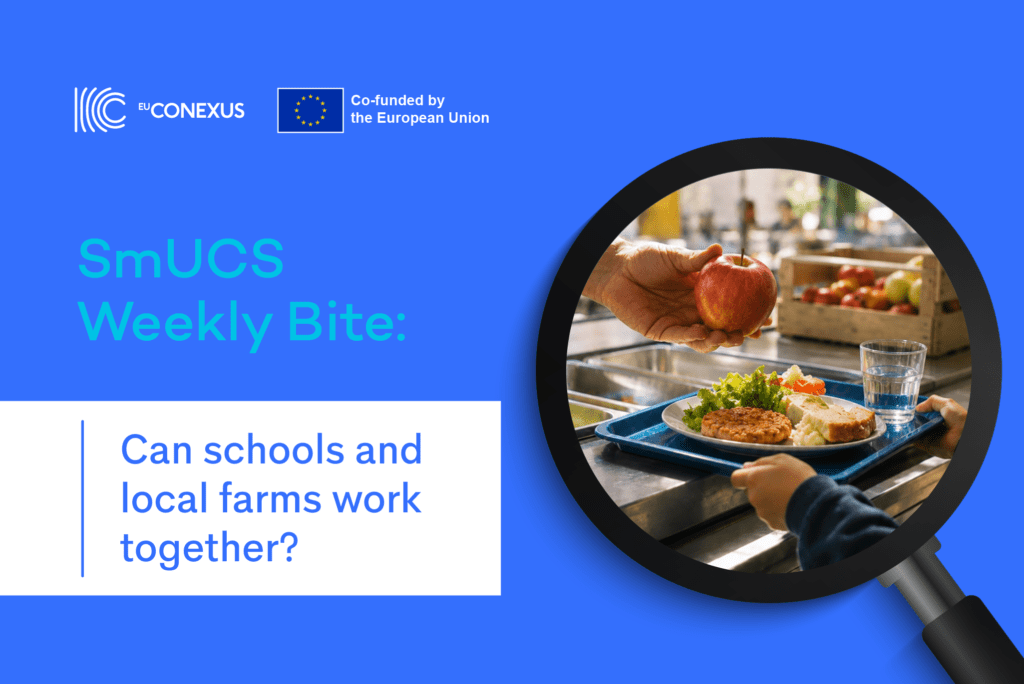
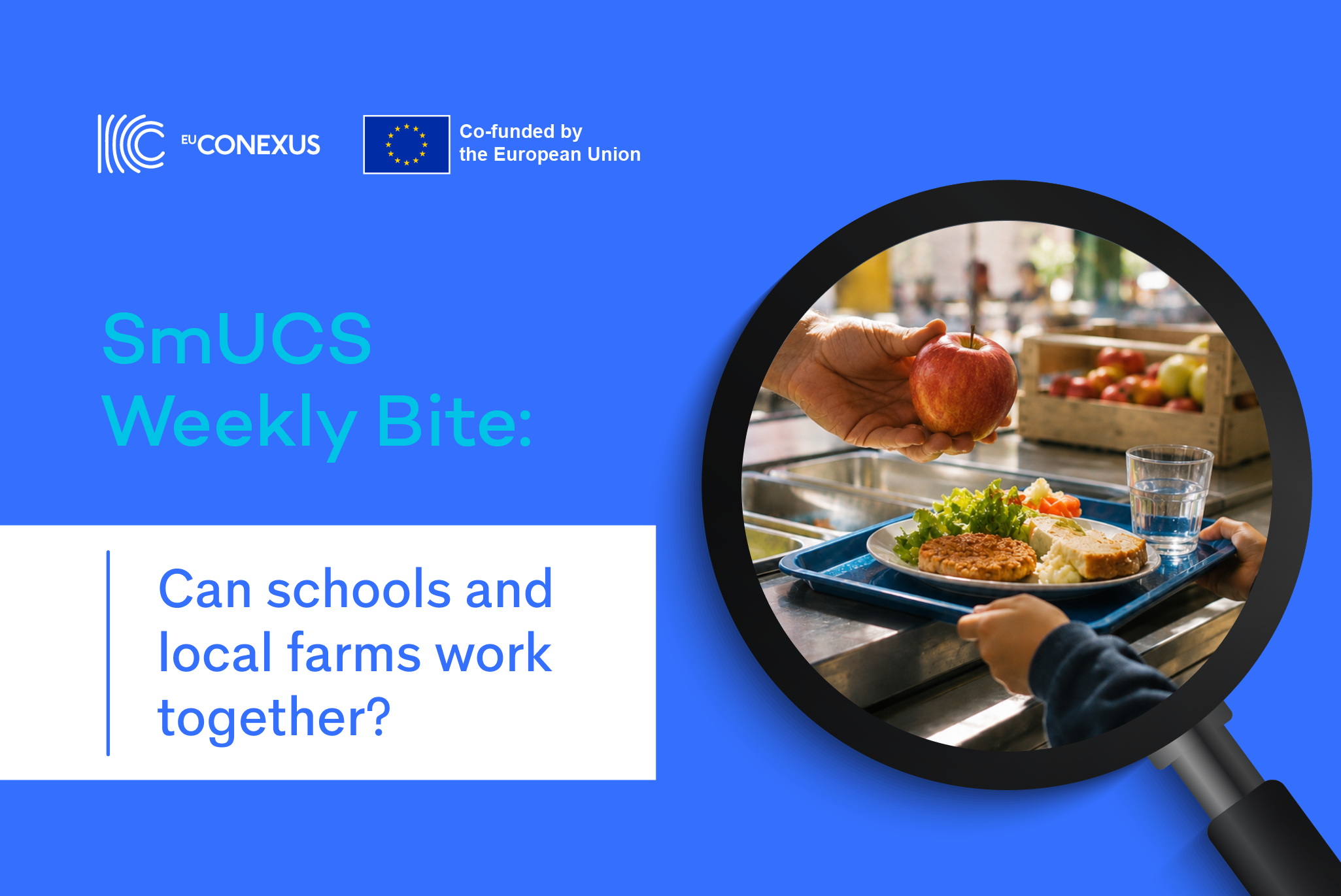
When discussions about children’s nutrition come up, the focus usually lies on healthier menus, less sugar, or better food quality. But there is another important question behind all this: where does the food come from?
The “Farm-to-school” model is all about challenging the current system and creating more transparency. The idea is simple: connect schools with local farmers so that children receive fresh, locally grown food while nearby farms gain a stable place to sell their products.
A recent study from Klaipėda University explored how this model could work in the Klaipėda region by looking at cooperation between educational institutions and small and medium-sized farms.The results showed that farmers, municipalities, and educational institutions largely share the same goal. Participants agreed that locally grown food is valuable and that children would benefit from fresher products supplied by nearby farms.
But putting this idea into practice is more complicated.
To understand whether this kind of cooperation is realistic in practice, researchers organised discussions with farmers from the Klaipėda region. The conversations focused on practical questions: are farmers interested in supplying schools? What difficulties do they face? And does the current public procurement system actually allow smaller farms to participate?
Although there is a strong interest on the farmers’ side as well, discussions revealed a major challenge: many smaller farms struggle with the administrative side of what such cooperation takes. Public procurement systems are often difficult to navigate, especially for farms that do not have experience working with large institutions.
This creates a difficult situation for small and medium-sized farms, which already compete with large suppliers that dominate institutional food systems. Without clearer processes, better communication, and more support, many local producers remain outside opportunities that could benefit both schools and regional agriculture.
The study therefore highlights a broader point: building more sustainable food systems is not only about producing quality food. It is also about creating practical and accessible ways for local growers and public institutions to work together.
It’s not just about food
The benefits of developing farm-to-school systems go far beyond school lunches. Researchers point out that Farm-to-school initiatives can help children build healthier eating habits, support local farmers, strengthen regional economies, and encourage more sustainable agriculture. They can also help young people better understand where food comes from, in turn creating a stronger connection between communities and local producers.
Although this research initiative focuses on the Klaipėda region, the topic is relevant far beyond Lithuania. Across Europe, there is growing interest in shorter food supply chains, stronger local economies, and more resilient public food systems.
In this context, the Farm-to-school model is not simply about school meals. It reflects a wider shift toward reconnecting communities with local agriculture and rethinking how schools, farmers, and public institutions can support one another in the future.
Reference
Melnikova, Julija & Grigaliūnienė, Simona & Dailidiene, Inga. (2024). Challenges in Cooperation between Farmers and Educational Institutions in Klaipeda Region: the “Farm-to-school” Model Approach. 40-51. 10.22616/REEP.2024.17.004.
https://www.ku.lt/cris/entities/publication/e8901ded-78bf-464d-8ec6-148672b1090b