
The COVID-19 pandemic showed us how quickly viruses can evolve. It also highlighted the importance of a proactive search for new ways to treat infections. Vaccines and antiviral medicines have saved lives, but as SARS-CoV-2 continues to evolve, researchers are still looking for new approaches to block infection more effectively.
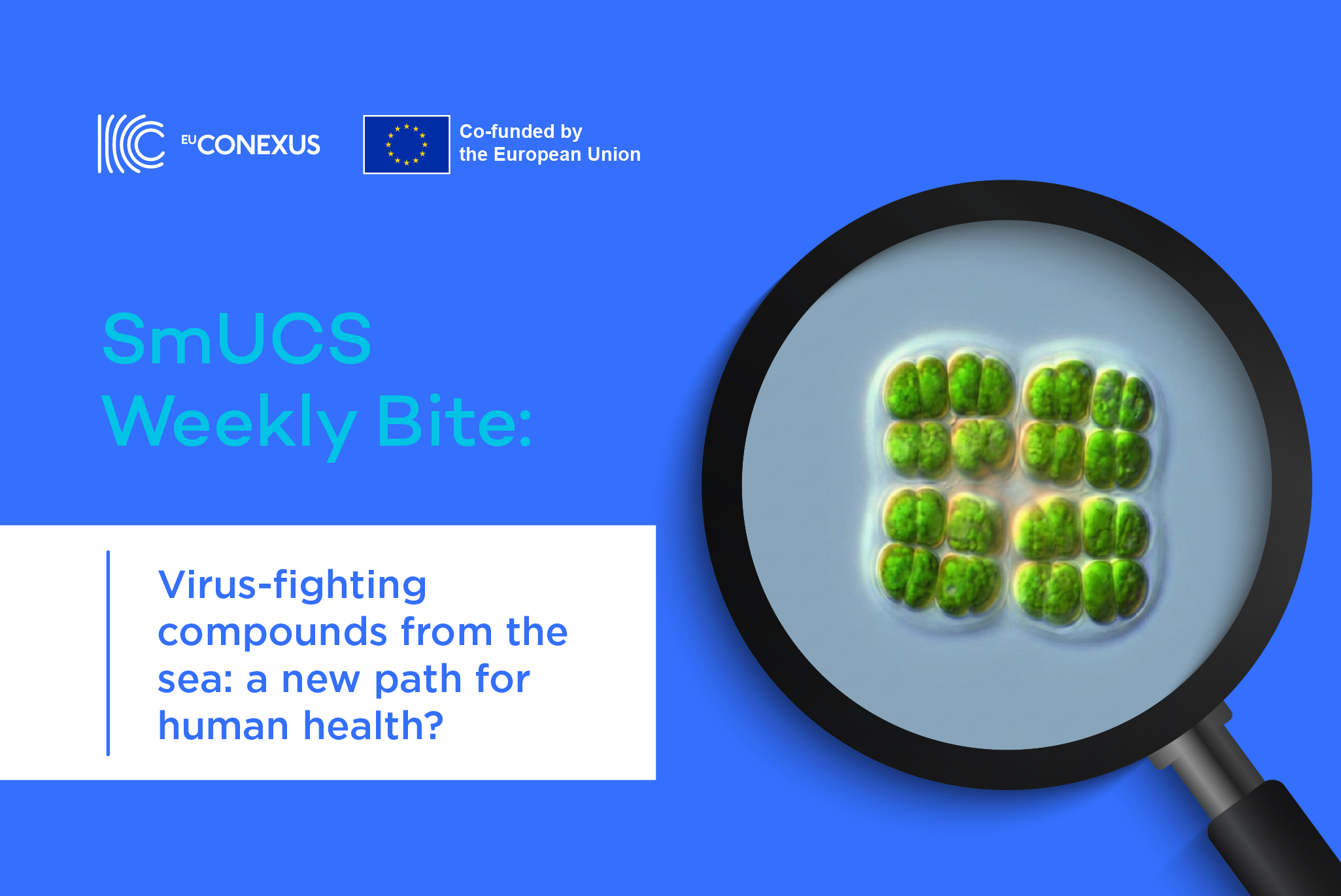
A recent international study turned to an unexpected source: cyanobacteria from the Baltic Sea. These ancient microorganisms are known for producing a wide variety of natural compounds, some of which may have valuable biological properties.
In this recent study, scientists focused on spumigins – natural compounds produced by the Baltic cyanobacterium Nodularia spumigena. Researchers found that two spumigins were able to reduce SARS-CoV-2 infection in human cell models, including systems that closely resemble the human airway.
The key lies in how the virus enters cells. SARS-CoV-2 uses its spike protein to attach to human cells, but this process also depends on human enzymes that help activate the virus. One of these enzymes is called TMPRSS2. Instead of attacking the virus directly, the spumigins can block this human enzyme, making it harder for the virus to enter the cell.
This is an important finding because it points to a different antiviral strategy: protecting the cell from becoming infected, rather than only targeting the virus itself.
With that said, this does not mean that spumigins are ready to become medicines. The research is still at an early stage, and further studies are needed to understand how specific these compounds are, whether they affect other enzymes, how they behave in the body, and whether they can be safely developed into drug candidates.
Still, the study highlights the wider potential of marine biotechnology. Cyanobacteria produce chemical structures that are very different from many standard laboratory-designed compounds, making them valuable starting points for future antiviral research.
In this sense, the discovery is not only about SARS-CoV-2. It shows how natural compounds from marine environments could help researchers design new tools against current and emerging viral threats.
Reference
Aleksandra Milewska, Robert Konkel, Markus Hoffmann, Stefan Pöhlmann, Artur Szczepański, Tony Fröhlich, Grzegorz Popowicz, Donata Overlinge, Hanna Mazur-Marzec, Krzysztof Pyrć. Spumigins produced by Nodularia spumigena are natural serine protease inhibitors with anti-SARS-CoV-2 activity. Virology, Volume 615, 2026, 110763, ISSN 0042-6822, https://doi.org/10.1016/j.virol.2025.110763.