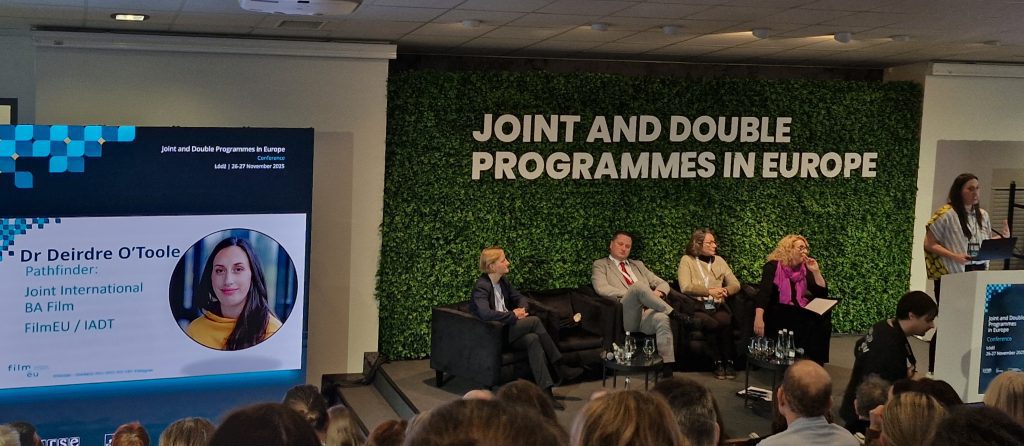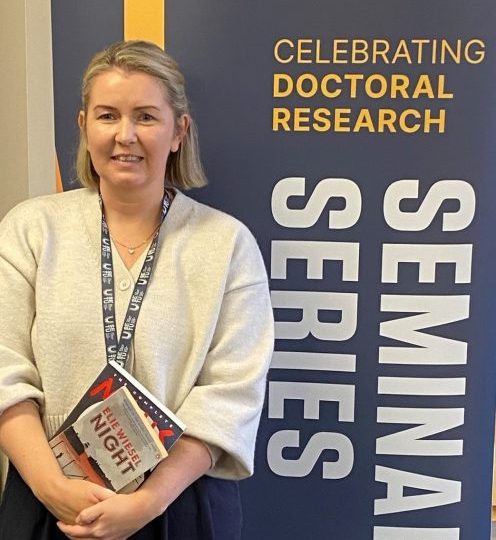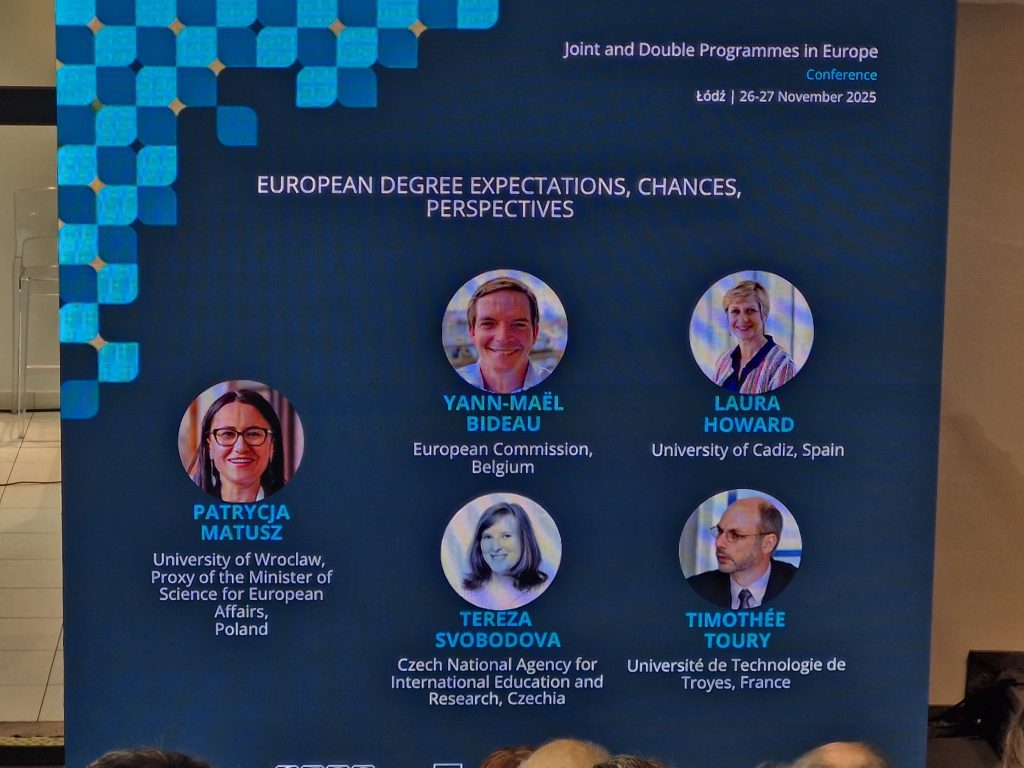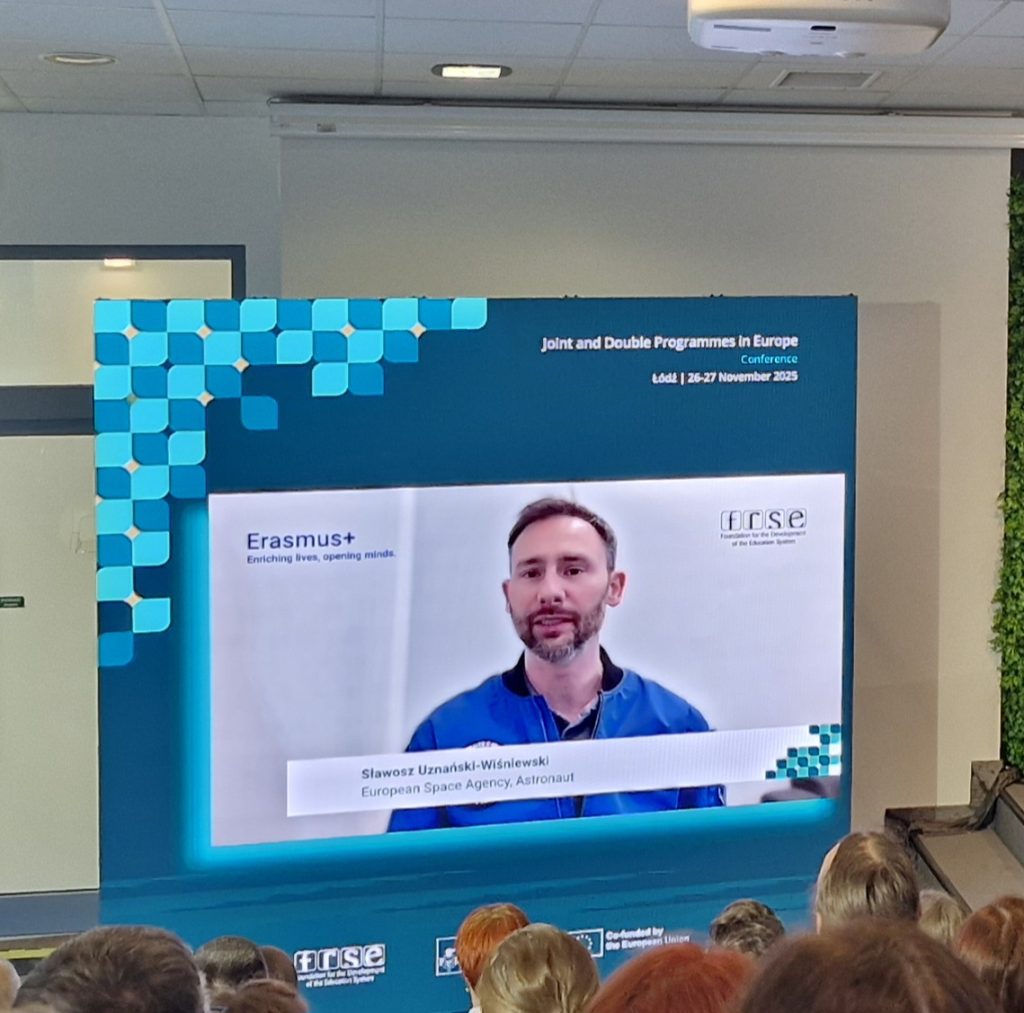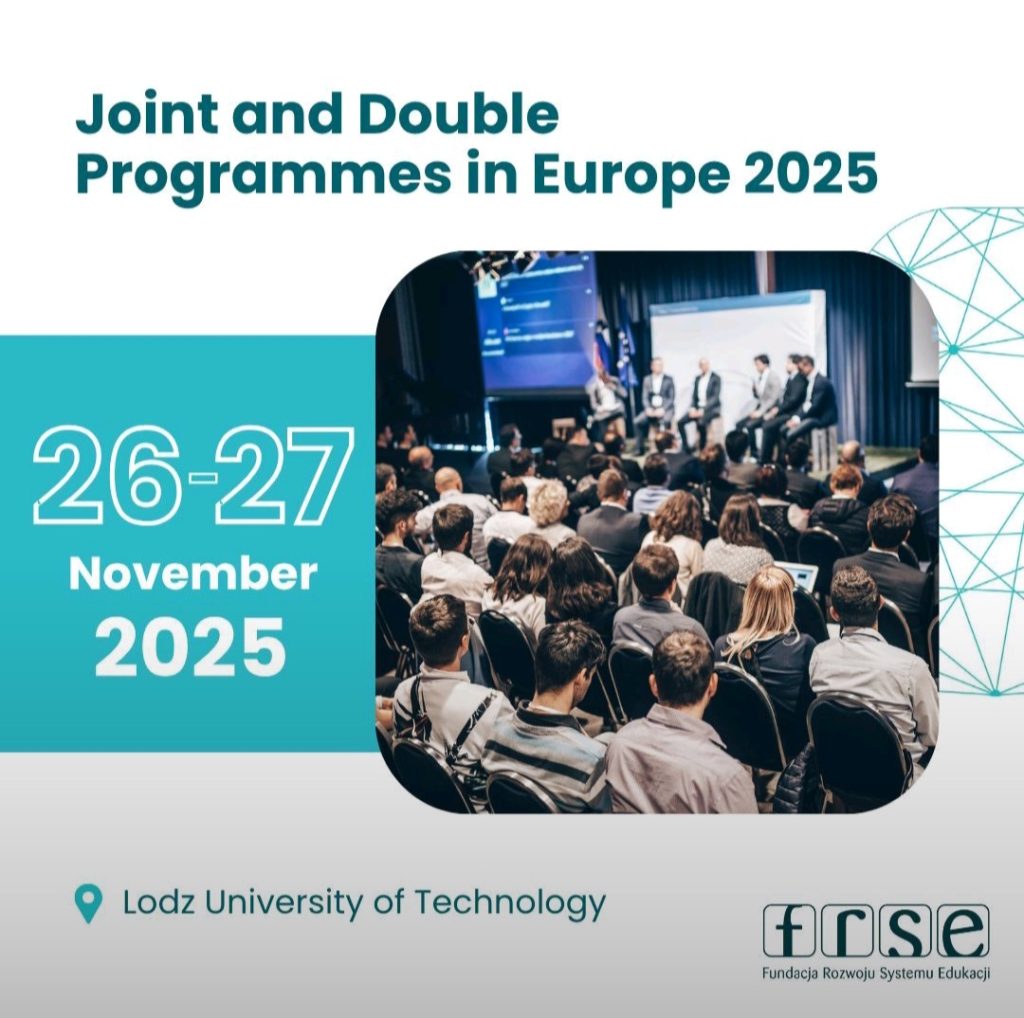
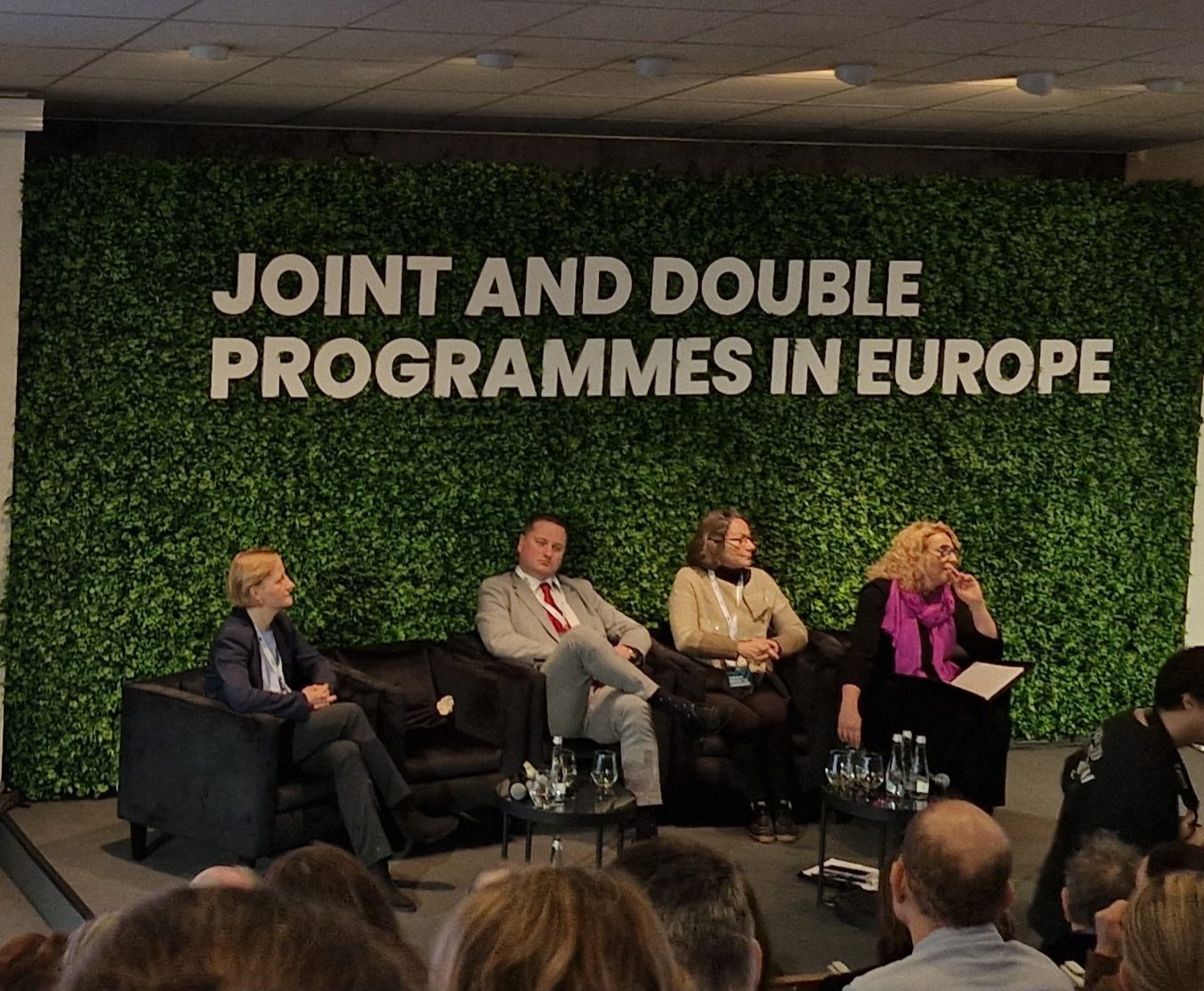
Dr Claire Doran, EU-CONEXUS Education co-lead and lecturer with the Faculty of Education and Lifelong Learning at South East Technological University (SETU), recently travelled to Poland to attend the Joint and Double Programmes in Europe conference, organised by the Foundation for the Development of the Education System – TCA (Training and Cooperation Activity), hosted by Lodz University of Technology.
For Claire, the conference provided a valuable opportunity to meet colleagues working in the area of joint programmes and to exchange ideas. Reflecting on this, she noted that “while at the conference I was able to meet an international alliance colleague in person for the first time, and we had a productive discussion on a topic that had been holding up some progress in one area of our joint programme development. This was very fruitful and led to the issue being resolved shortly thereafter.”
Face-to-face conversations, she explained, were particularly helpful and made future online collaboration much easier. Claire also had several engaging discussions with peers, with a view to forging new links and exploring potential opportunities.
Reflective opportunity
As part of Claire’s work with EU-CONEXUS, colleagues here at South East Technological University (SETU) and across the alliance are developing a suite of 20 micro-credentials at Master level. The conference gave Claire the opportunity to reflect on the qualifications being created and how crucial they will be for the European market. Micro-credentials offer flexible learning pathways and bring the best of Europe to students.
Following the conference, Claire is now exploring micro-credentials as a mechanism to foster collaboration with industry and to build partnerships. From an Irish perspective, Claire also noted that there is more work to be done within the Irish education sector to engage teachers and lecturers in the design process and to showcase these opportunities to students.
Positive experience
Claire shared that the conference was a “very positive experience and very beneficial in terms of my professional development”. It provided greater context for her work within EU-CONEXUS and highlighted the importance of collective action at a European level in creating professional connections.
From a personal perspective, Claire commented that the conference prompted her to reflect on the broader significance of collective educational collaboration in Europe: “I have a background as a historian and in ethical and intercultural education, and so to reflect on the power of collective educational actions and a move away from ultra-national curricula is very powerful, as well as to think about the ‘European Project’ and how we continue to enhance the competitiveness of European higher education and enable our students to navigate a seamless educational journey across borders.”
Overall, Claire highlighted the positive experience and learning opportunity facilitated by attending the conference. Speaking about the opportunities available through EU-CONEXUS, she noted the benefits for both students and staff who engage with the alliance: “Even when living locally, we are increasingly global thinkers, and it provides both students and staff with intellectual mobility.”
More information on the EU-CONEXUS mobility fund is available here.