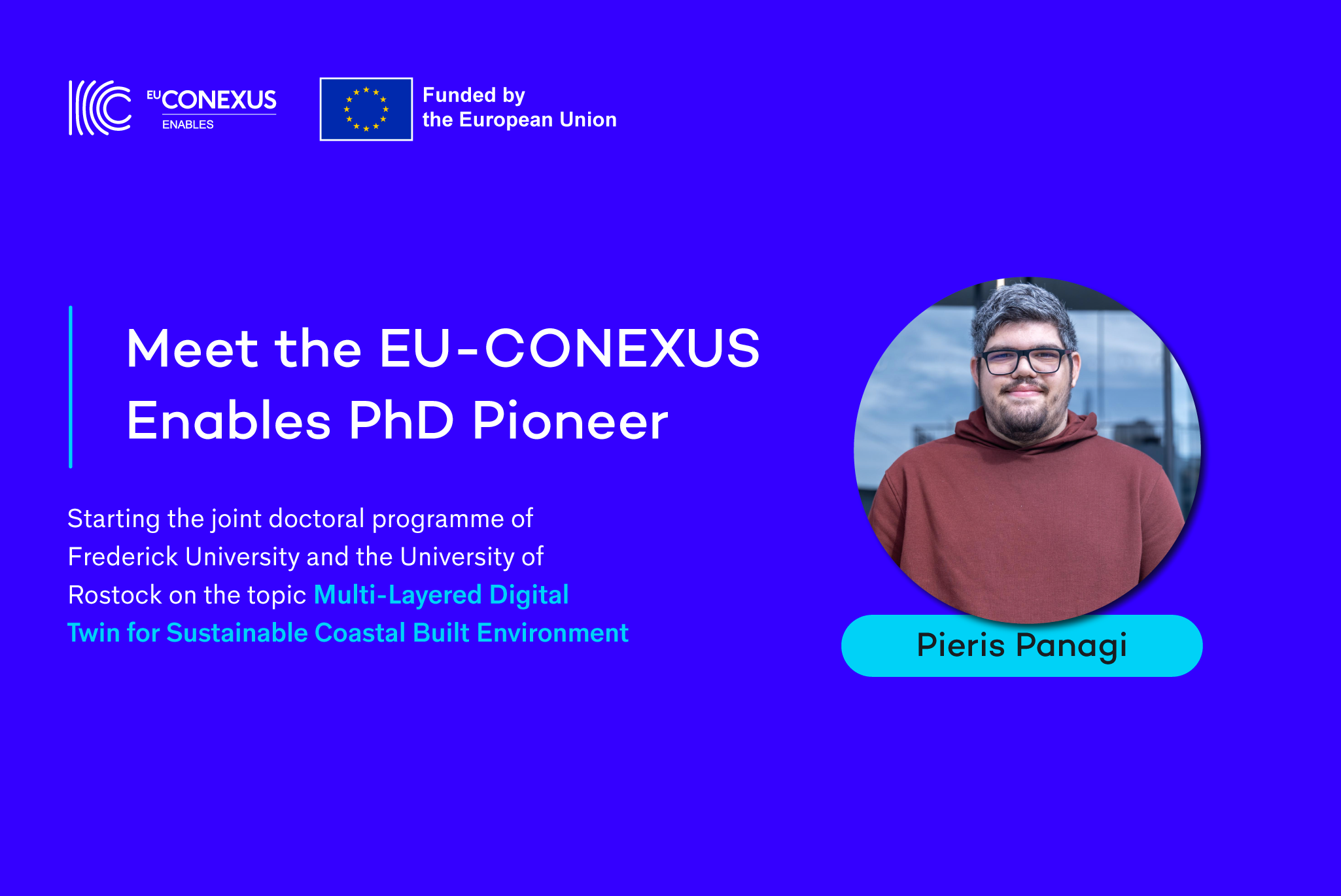
The alliance has proudly welcomed five PhD students from around the world, who have just begun their research journey through the EU-CONEXUS Enables project. As part of a 36-month research initiative dedicated to developing sustainable solutions for coastal regions, the programme—supported by EU funding—connects doctoral candidates with supervisors across partner universities. By encouraging interdisciplinary collaboration and innovative thinking, EU-CONEXUS Enables aims to deliver realistic, impactful solutions for coastal regions and urban communities. The fifth PhD student, Pieris Panagi, has now joined this journey, bringing his research focus on digital innovation and coastal sustainability to the project.
Meet the EU-CONEXUS Enables PhD Pioneer: Pieris Panagi
Pieris Panagi (Cyprus) joins the EU-CONEXUS Enables project as a PhD student within the joint doctoral programme between Frederick University (Cyprus) and the University of Rostock (Germany).
Under the supervision of Dr. Paris Fokaides (FredU) and Prof. Dr. Jörn Plönings (UROS), Pieris’s research responds to the growing need for digitally enabled solutions that can support the sustainable development and long-term management of coastal urban areas.
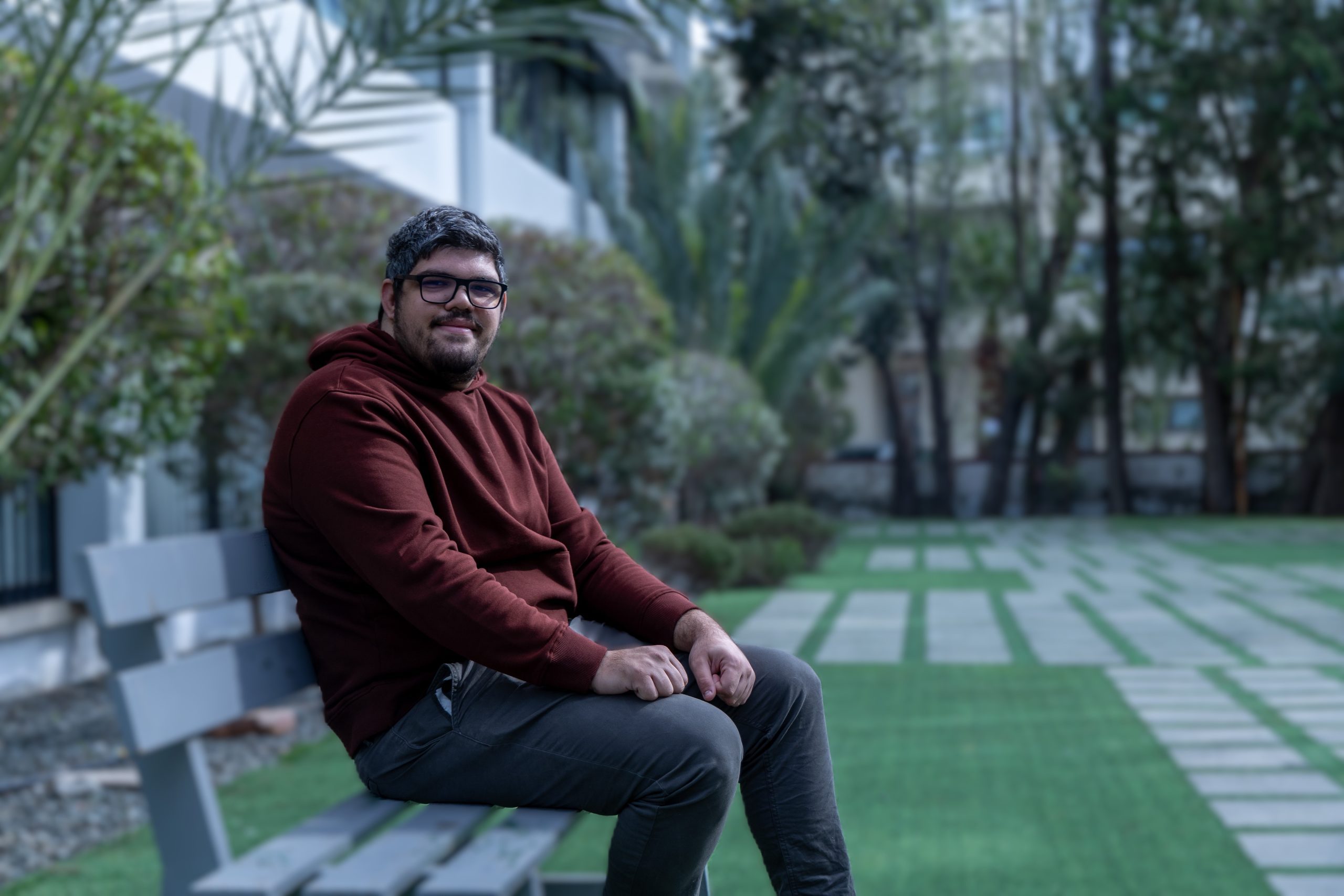
In his PhD project, “Multi-Layered Digital Twin for Sustainable Coastal Built Environment,” Pieris will explore how advanced digital twin technologies can integrate multiple layers of data to enhance energy efficiency, environmental performance, and the resilience of the built environment in coastal regions. By combining digital innovation with sustainability and climate adaptation, his work aligns closely with EU-CONEXUS priorities and contributes to the development of smarter, more resilient coastal cities.
As Pieris highlights:
“Digital twins offer a powerful way to better understand and manage the complexity of coastal built environments in the face of climate change.”
All activities are organised under the EU-funded project EU-CONEXUS ENABLES (Project number: 101136822), titled ‘Promoting Excellence Through Innovative Eco-systems‘.

Funded by the European Union. Views and opinions expressed are however those of the author(s) only and do not necessarily reflect those of the European Union or European Research Executive Agency. Neither the European Union nor the granting authority can be held responsible for them.