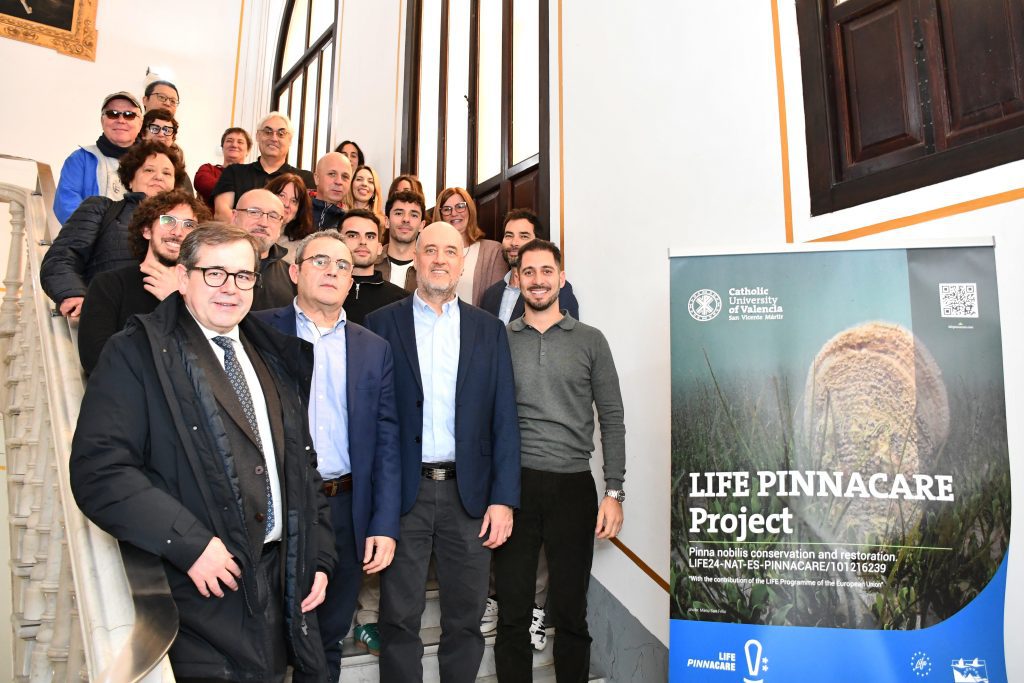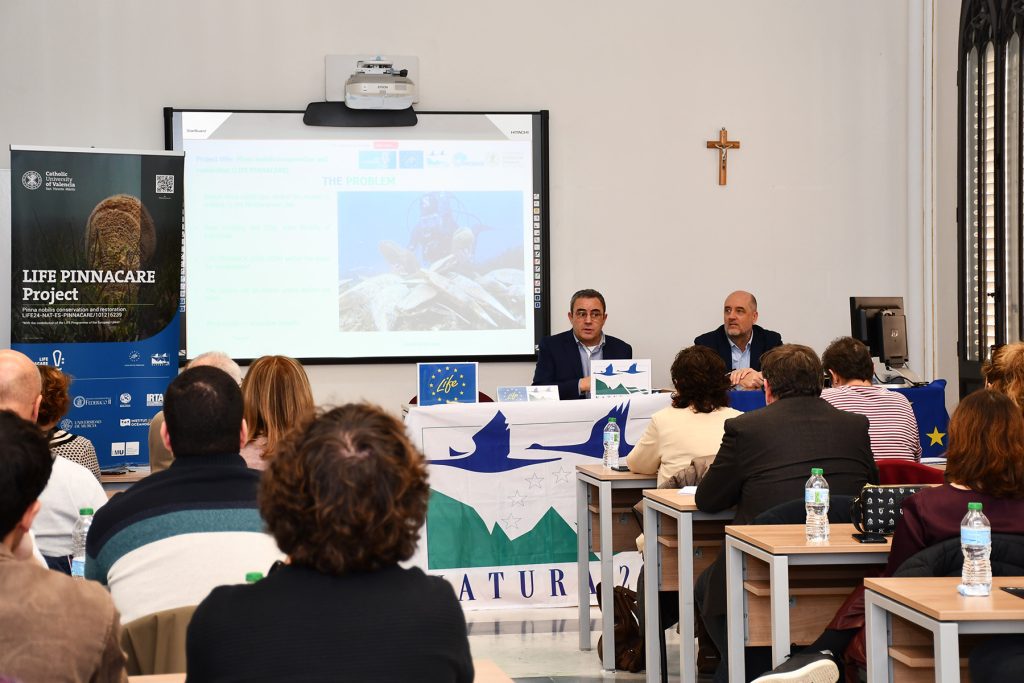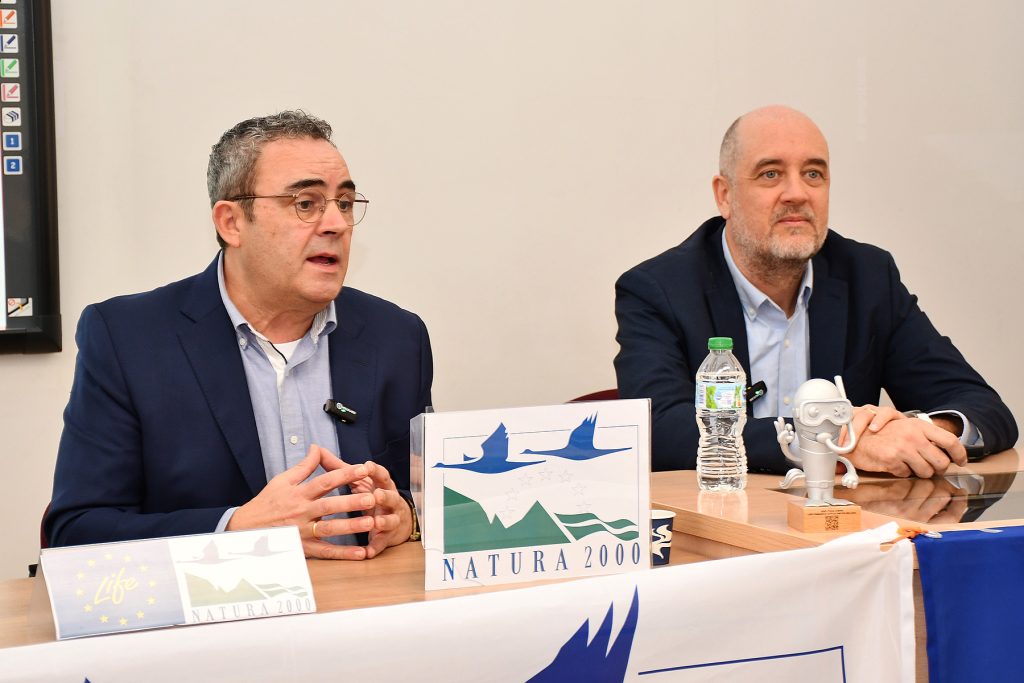
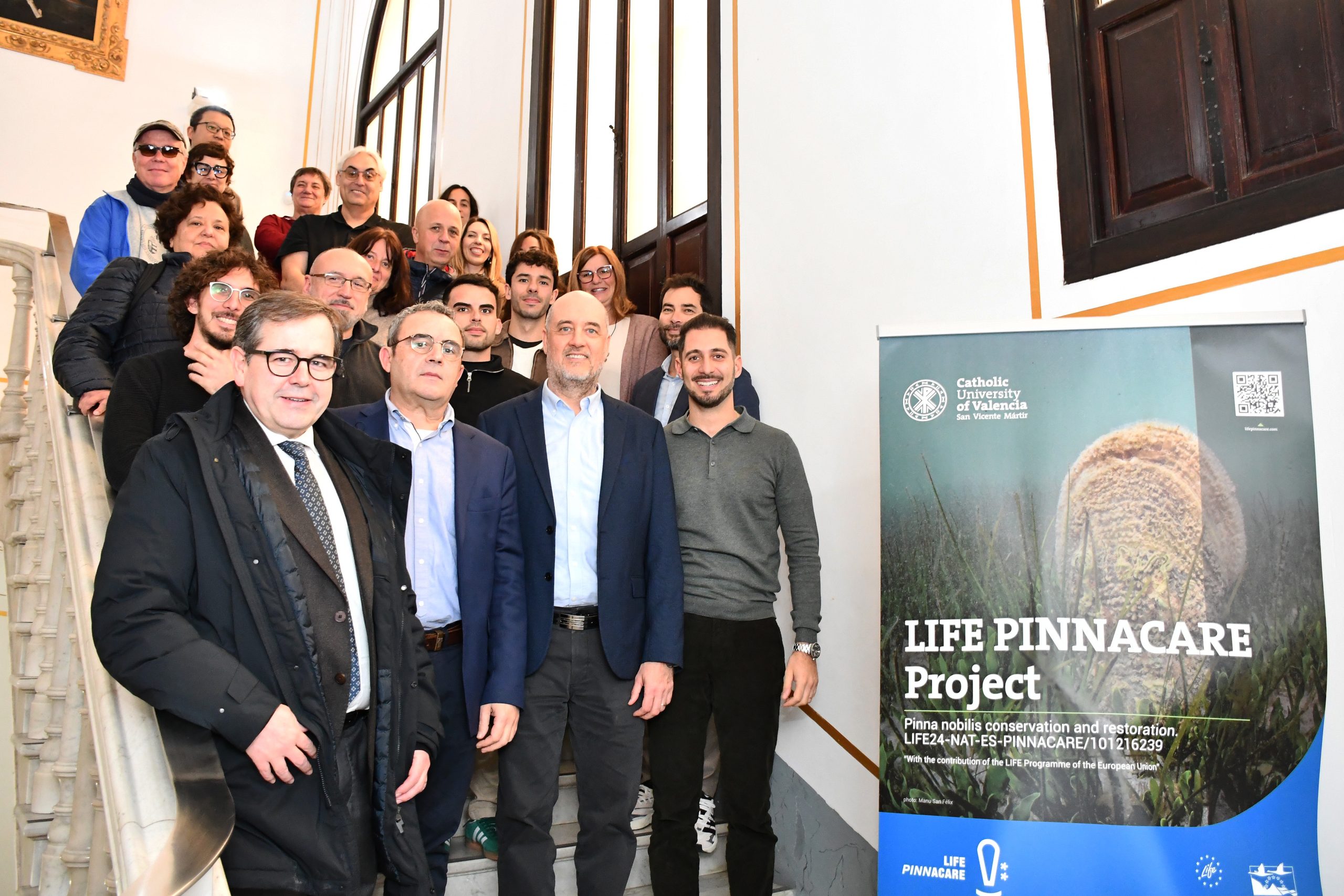
The Institute for Environmental and Marine Science Research at the Catholic University of Valencia (IMEDMAR-UCV) is leading the European project LIFE PINNACARE (LIFE 3.0-LIFE24-NAT-ES-PINNACARE/101216239), focused on conserving and restoring the Mediterranean fan mussel (Pinna nobilis), an endemic bivalve and one of the largest molluscs in the world.
The species is currently critically endangered due to a severe parasitic disease that has devastated populations since late 2016. Its disappearance would disrupt marine ecosystems because the fan mussel plays a key role in filtering water, improving water quality, and supporting coastal biodiversity.
Funded by the EU LIFE Programme, the project has a total budget of €3,926,002.27 and is led by IMEDMAR-UCV researchers José Rafael García March and José Tena Medialdea. LIFE PINNACARE brings together an international consortium of eleven universities and research institutes, including the University of Alicante, the University of Murcia, the Spanish Institute of Oceanography (CSIC-IEO), and IRTA, as well as partners from France, Italy, Greece, Croatia, and Germany. The University of Zadar has recently joined, strengthening the project’s international reach and its links to European university networks such as EU-CONEXUS.
Running for 50 months (October 2025 to November 2029), the project will work across 32 protected natural areas within the Natura 2000 Network throughout the Mediterranean. These high-value sites in Spain, France, Italy, Greece, and Croatia host the last remaining specimens and will be essential for monitoring, recovery actions, and future restocking.
IMEDMAR-UCV Director José Tena says the project shows UCV’s strong commitment—together with a broad international consortium—to restoring the fan mussel, with benefits for marine ecosystems, water quality, and the wellbeing of coastal environments and the communities that depend on them.
UCV Vice-Rector for Research José María Tormos adds that LIFE PINNACARE reflects the university’s values by bringing “people and the planet together”. He stresses that the initiative is not only about saving a species, but also about developing new conservation strategies, generating scientific knowledge, and transferring it to society, reinforcing UCV’s commitment to sustainability and research excellence.