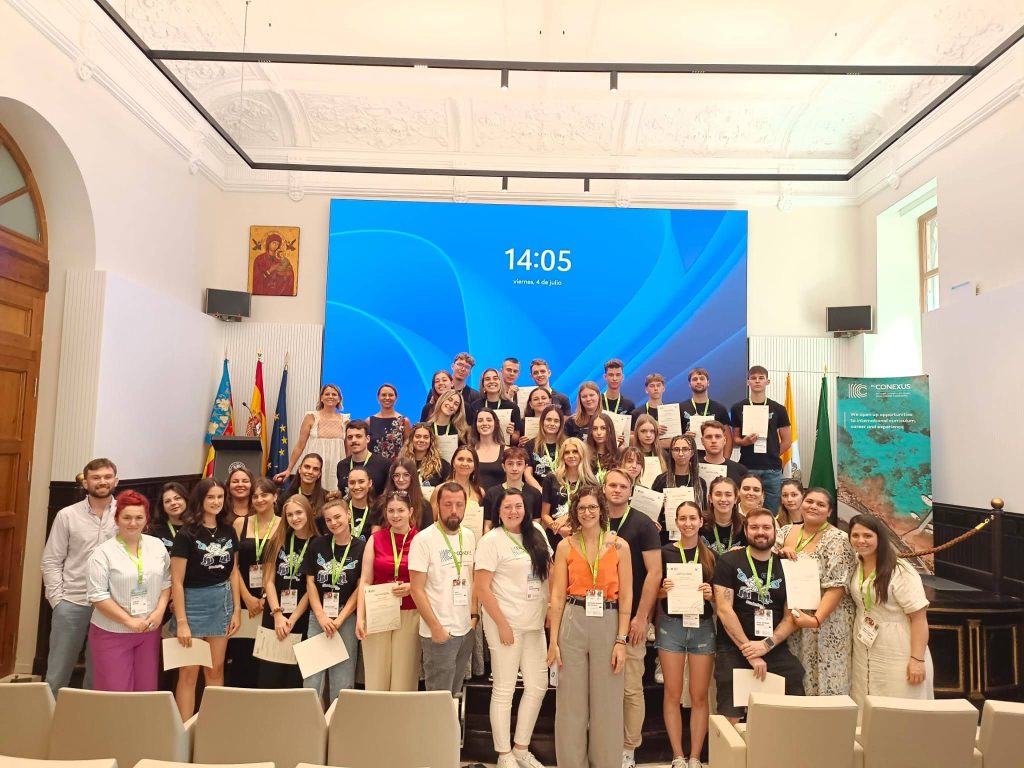
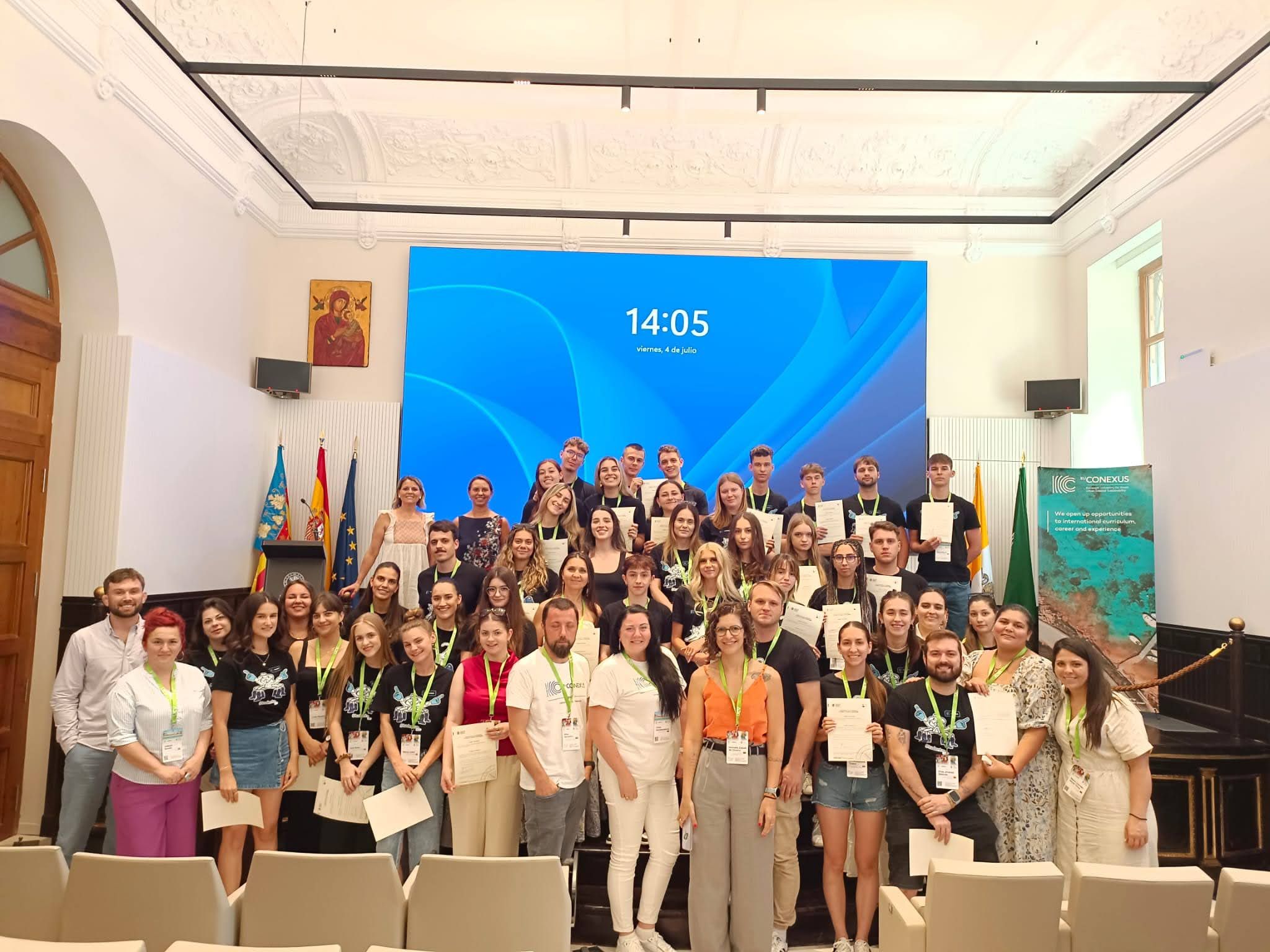
South East Technological University (SETU) Psychology graduate and former student Caoimhe Berry travelled to Valencia to participate in a Blended Intensive Programme, “Psychology in Disaster Management: A Multidimensional Approach to Resilience and Recovery”, hosted by EU-CONEXUS partner university Universidad Católica de Valencia.
Blended Intensive Programmes (BIP) are short, innovative, EU-funded Erasmus+ mobility programmes. This programme was open to bachelor students from EU-CONEXUS partner universities and was particularly relevant in relation to the coastal location of many of the partner universities, as well as the increasing frequency of extreme weather events across European cities.
Personal reflection
Speaking about the programme schedule, Caoimhe explained, “I worked in a multidisciplinary team of students from pharmacy, construction management, psychology, and occupational therapy. We were tasked with coming up with and solving a ‘Big Idea’.”
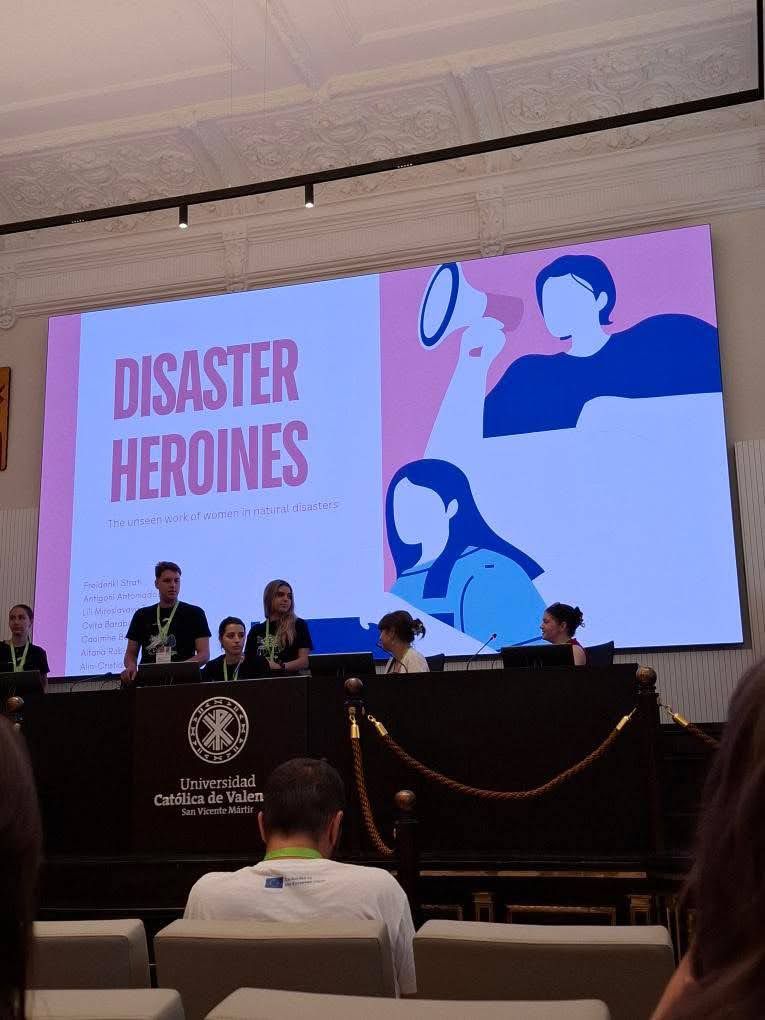
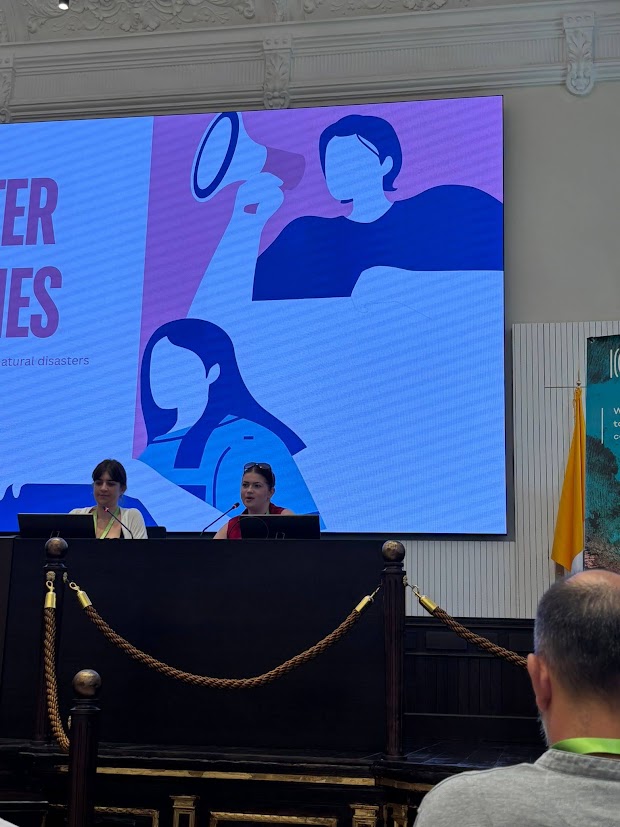
Expanding on this, Caoimhe described her team’s project, “Empowering Women for Natural Disaster Preparedness”, and explored how “we can equip women to respond effectively during disasters, recognising their often overlooked leadership qualities such as empathy, emotional intelligence, and remaining calm under pressure”. As part of the project, Caoimhe and her team conducted research on women’s participation in disaster response and developed a training plan designed to prepare women to lead and act confidently in crisis situations.
A unique experience
The programme also included guest lectures by professors from other EU-CONEXUS universities, along with field visits to DANA-affected towns. The group heard first-hand accounts from local emergency responders and healthcare professionals, which Caoimhe found very impactful and thought-provoking. On the final day, the students presented their research, findings, and training plan proposals. For Caoimhe, this was an eye-opening and inspiring experience that helped improve her research and public speaking skills.
Looking forward to the future
Reflecting on the EU-CONEXUS mobility programme, Caoimhe maintains that it has greatly enriched her academic and personal development. Speaking candidly, Caoimhe describes how “studying in a new environment exposed me to different teaching styles and perspectives, strengthening my adaptability and critical thinking. It also increased my independence, confidence, and cultural awareness as I connected with students from across Europe.” Overall, the experience enhanced Caoimhe’s communication and problem-solving skills and broadened her outlook, benefiting both her studies and future career aspirations.