The EU-CONEXUS Research Mobility Call enables researchers to pursue high-impact scientific collaboration opportunities, promoting innovation and knowledge exchange across Smart Urban Coastal Sustainability (SmUCS) disciplines. By supporting conference participation, expert invitations, and inter-university research visits, the initiative strengthens global partnerships and strengthens the EU-CONEXUS research community.
Fostering collaboration in smart urban coastal sustainability
Research mobility continues to be a key driver of scientific progress and innovation within the academic community and beyond. In 2025, the EU-CONEXUS Research Mobility Call has enabled transformative experiences for researchers across multiple disciplines, facilitating collaboration through SmUCS programmes that transcend geographical and institutional boundaries.
Throughout the year, researchers attended leading international conferences, engaged in collaborative research visits, and mentored or taught students at partner universities. These experiences have expanded EU-CONEXUS’ visibility and inspired valuable networks and long-term partnerships around the globe.
In 2025 alone, the EU-CONEXUS Research Mobility Call supported 33 participations in international conferences on SmUCS topics, 15 invitations of external experts, and numerous research mobilities among partner universities. The following six examples illustrate the powerful impact of research mobility on both individual career development and institutional growth. From advancing climate-smart agriculture and resilient structural systems to exploring workforce resilience, aquaculture innovation, avian biology, and adult education practices, these stories highlight how mobility experiences benefit entire research communities.
The following examples showcase only a portion of the opportunities made possible through EU-CONEXUS research mobility funding. Beyond the immediate impact of presentations, lectures, and workshops, each mobility experience sparks new collaborations, inspires innovative research directions, and reinforces the EU-CONEXUS network. As we look forward, researchers and PhD students are invited to explore how EU-CONEXUS mobility can elevate their research impact and expand international connections. Whether by presenting new findings at conferences, hosting renowned experts, or collaborating across universities, the EU-CONEXUS Research Mobility Call provides the framework to support scientific ambitions.
Applications for the next round of funding are now open. For details and deadlines, visit the EU-CONEXUS Research Mobility Call website or contact your institutional EU-CONEXUS coordinator.
Dr Federico Roda Fornaguera
Universidad Nacional de Colombia, Colombia
Visited the University of Rostock (UROS), Germany as an external expert
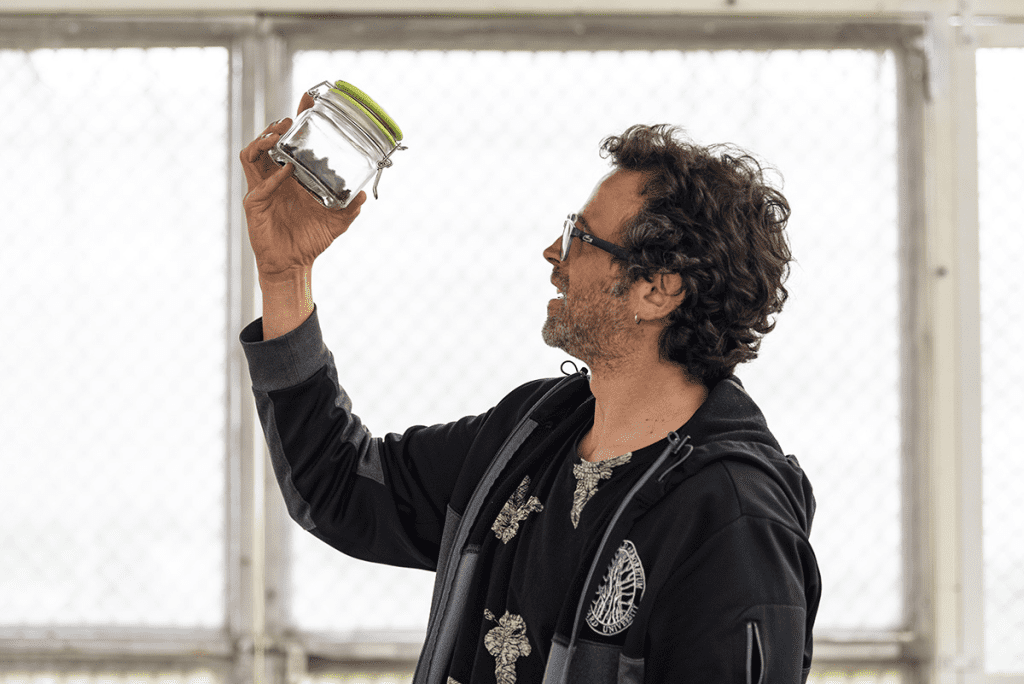
Under the invitation of Prof. Bettina Eichler-Löbermann (Agronomy) and Prof. Stefan Porembski (Botany), Dr Federico Roda visited the University of Rostock from March 10 to 18, 2025. The visit strengthened collaboration on the study and use of underutilised plant species to improve agronomical systems through an integrated approach combining ecology, physiology, and genetics. During his stay, Dr Roda held research meetings with both host groups, visited the Rostock Botanical Garden and the Gross Lüsewitz Potato Collections (IPK Gene Bank), and engaged in joint project development and grant writing sessions. The visit advanced efforts to design multi-omic, climate-smart agricultural research and opened new avenues for long-term cooperation between Colombia, Germany, and European partners. This mobility also enhanced international networking for biodiversity and agroecology research and laid the foundation for future project proposals, student exchanges, and sustainable use of tropical and Solanaceae plant diversity in modern agriculture.
Prof. Dan M. Frangopol
Lehigh University, USA
Visited the University of Rostock (UROS), Germany as an external expert
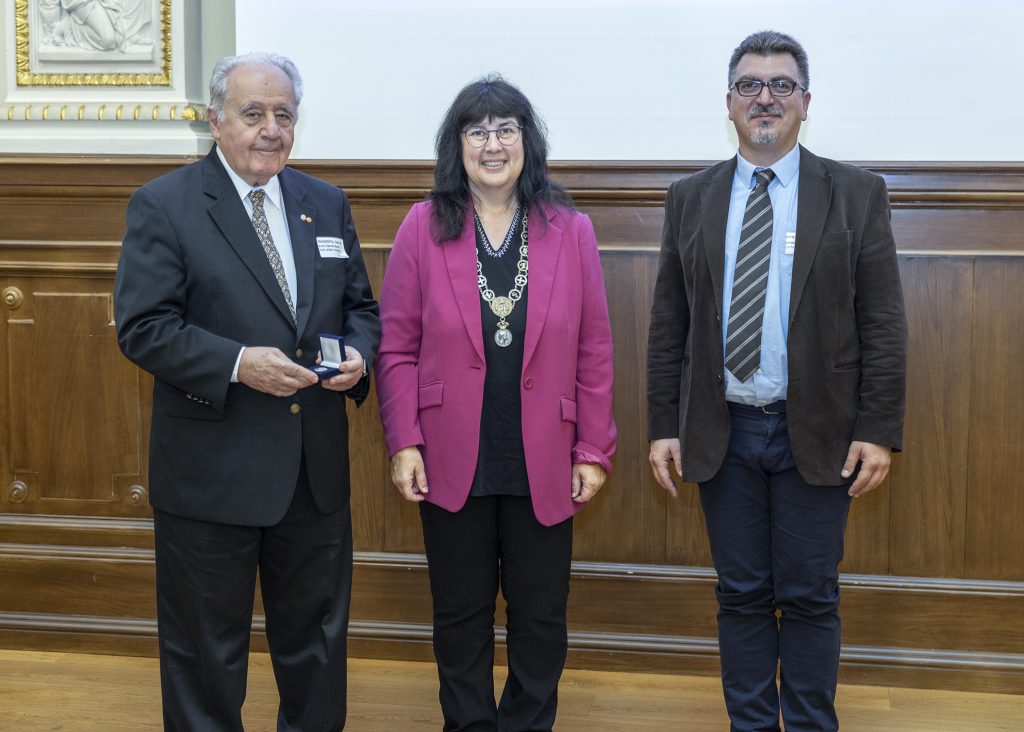
Professor Dan M. Frangopol, the inaugural holder of the Fazlur R. Khan Endowed Chair of Structural Engineering and Architecture at Lehigh University, visited the University of Rostock from September 9 to 13, 2025, as the keynote speaker of the International Probabilistic Workshop (IPW 2025).His lecture addressed state-of-the-art research on probabilistic modelling, risk-based asset management, and climate-resilient structural systems. In addition, the visit included meetings with academic staff, doctoral researchers, and international participants, inspiring new research collaborations, potential joint publications, and emerging project initiatives across engineering disciplines. Prof. Frangopol is internationally regarded as a pioneer in life-cycle engineering of civil and marine structures and optimisation approaches in holistic infrastructure management. His exceptional impact is reflected in five honorary doctorates, 14 honorary professorships, and election to the US National Academies of Engineering (NAE) and Construction (NAC), National Academies of Engineering of Canada, Japan and Mexico, and several academies in Europe. His work sets global standards in structural reliability, sustainability, and infrastructure resilience – strategically relevant topics in the context of Rostock’s engineering and environmental sciences. During this visit, Professor Elizabeth Prommer, Rector of the University of Rostock, also honoured Prof. Dan M. Frangopol with the university’s 600th-anniversary commemorative medal in recognition of his outstanding scientific achievements.
Prof. Manoela Ziebell de Oliveira
Pontifical Catholic University of Rio Grande do Sul (PUCRS), Brazil
Visited Valencia Catholic University (UCV), Spain as an external expert
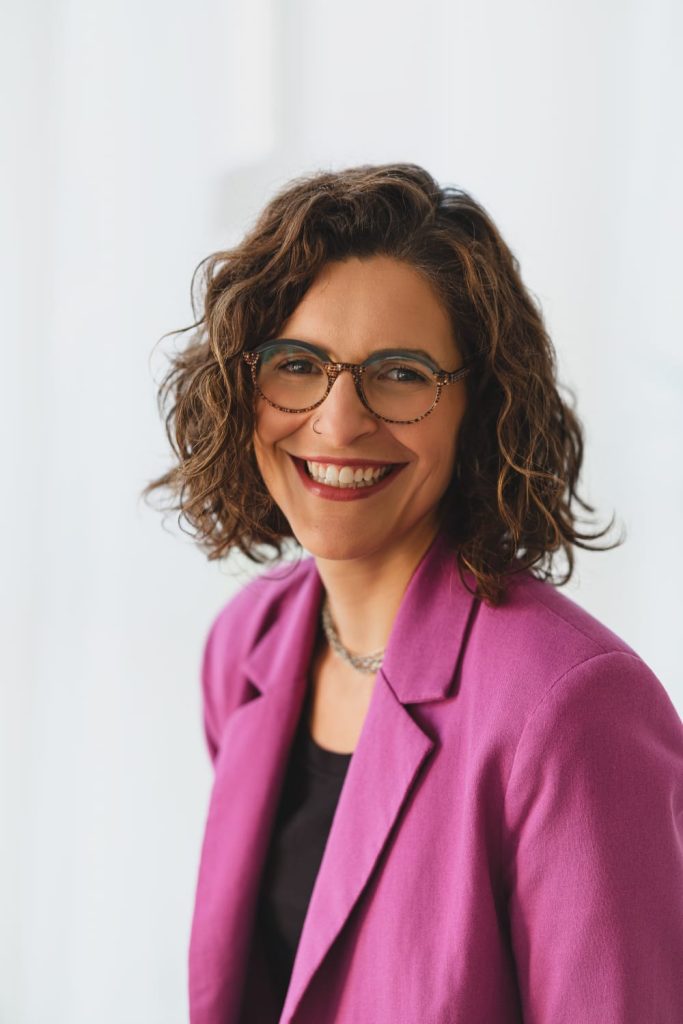
Prof. Manoela Ziebell de Oliveira completed a one-month academic mobility at the Valencian Catholic University (UCV) from June 25 to July 25, 2025. The visit marked an important step in strengthening international cooperation between PUCRS and UCV. During her stay, she met with Prof. Maria Carmen Moret-Tatay and Prof. José María Tormos Muñoz as part of the Brain Health and Resilience Valencia Challenge to discuss future research collaborations regarding sustainable careers and the ageing workforce. The mobility also created opportunities for planning new joint initiatives, including prospective COIL (Collaborative Online International Learning) projects. Furthermore, Prof. Oliveira participated as a guest lecturer and mentor in the Blended Intensive Programme (BIP) “Psychology in Disaster Management: A Multidimensional Approach to Resilience and Recovery,” an EU-CONEXUS initiative combining online sessions on June 6 and 13 with in-person activities from June 30 to July 4. Within this programme, she delivered a preparatory session on team formation and the inaugural lecture on resilience, addressing its conceptual foundations, its impact on individuals and communities, and the case of the 2024 floods in Porto Alegre. She also supported students as an academic mentor throughout the development of their projects.
Christina Zantioti
Agricultural University of Athens (AUA), Greece
Participated in the Aquaculture Europe 2025 (AE2025) conference in Valencia, Spain
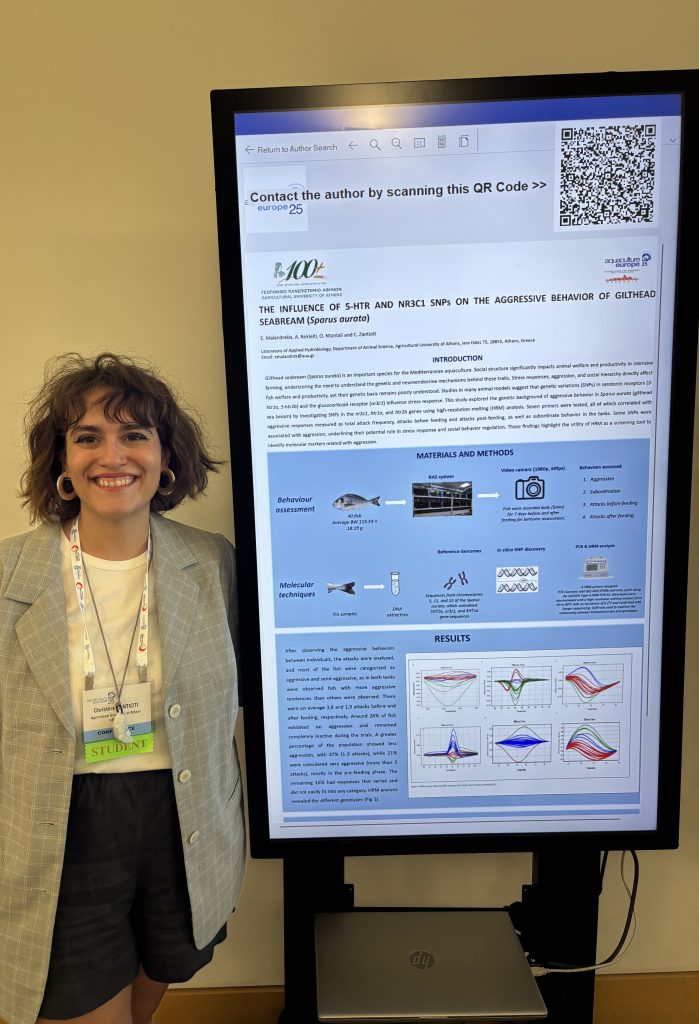
Christina Zantioti is a PhD student from AUA. From 20 to 25 June, 2025, she attended the AE2025 conference in Valencia, where she presented her work “Building impact through learning: educating children and aquaculture professionals on ALDFG pollution mitigation and sustainable aquaculture”. Her presentation showcased an innovative collaboration with the Healthy Seas Foundation and the European Outdoor Education Hub, highlighting how education programmes can contribute to reducing fishing-gear pollution and support more sustainable aquaculture practices. As President and Co-Founder of NOWA (Network of Women in Aquaculture), Christina also hosted a roundtable on gender equality in the sector, contributing to the conference theme “Aquaculture for Everyone”, as well as creating space for meaningful connections and experience sharing. Throughout this visit, she strengthened international partnerships, expanded her professional network, and elevated the visibility of NOWA, EU-CONEXUS, and her collaborating institutions.
Dr Elisa Thoral
La Rochelle Université (LRUniv), France
Participated in the 15th European Ornithologists Union Congress (EOU)
In August 2025, Dr Thoral participated in the 15th European Ornithologists’ Union Congress in the UK, a leading global forum on avian biology and environmental change. Her research presentation focused on the links between bioenergetics, cellular metabolism, and thermal tolerance in birds, offering new perspectives on how avian species physiologically respond to climate stress. This topic is highly relevant to smart, sustainable coastal management. During the congress, Dr Thoral also served as co-organiser of a thematic session, strengthening her skills in scientific coordination and communication while enhancing visibility for LRUniv and EU-CONEXUS. Following this visit, she noted: “The travel grant provided by the EU-CONEXUS allowed me to expand my research network and receive very interesting feedback on my data at an international conference on birds’ biology.” Building on these scientific exchanges and networking opportunities, the congress also enabled her to deepen ongoing collaborations, initiate new comparative studies, and explore emerging research directions related to urbanisation, climate adaptation, and biodiversity resilience.
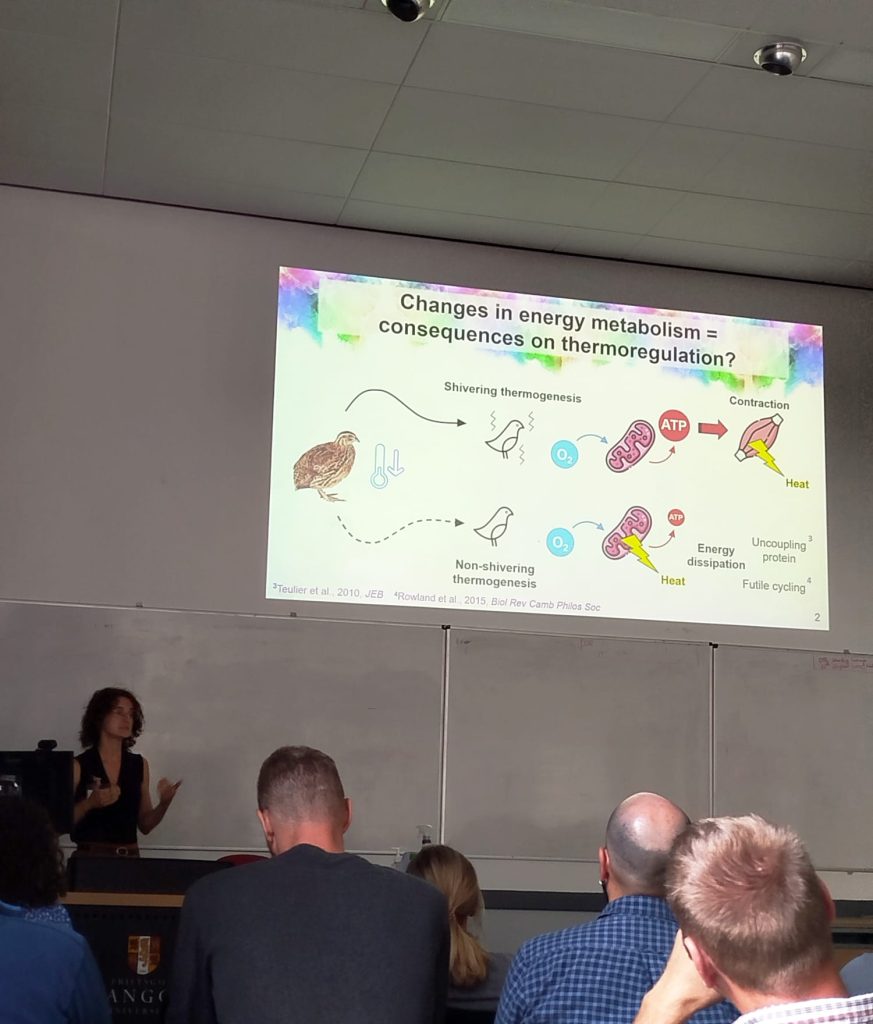
Laura McGibney
South East Technological University (SETU), Ireland
Participated in the European Society for Research on the Education of Adults (ESREA) Triennial Conference 2025 in Prague, Czech Republic
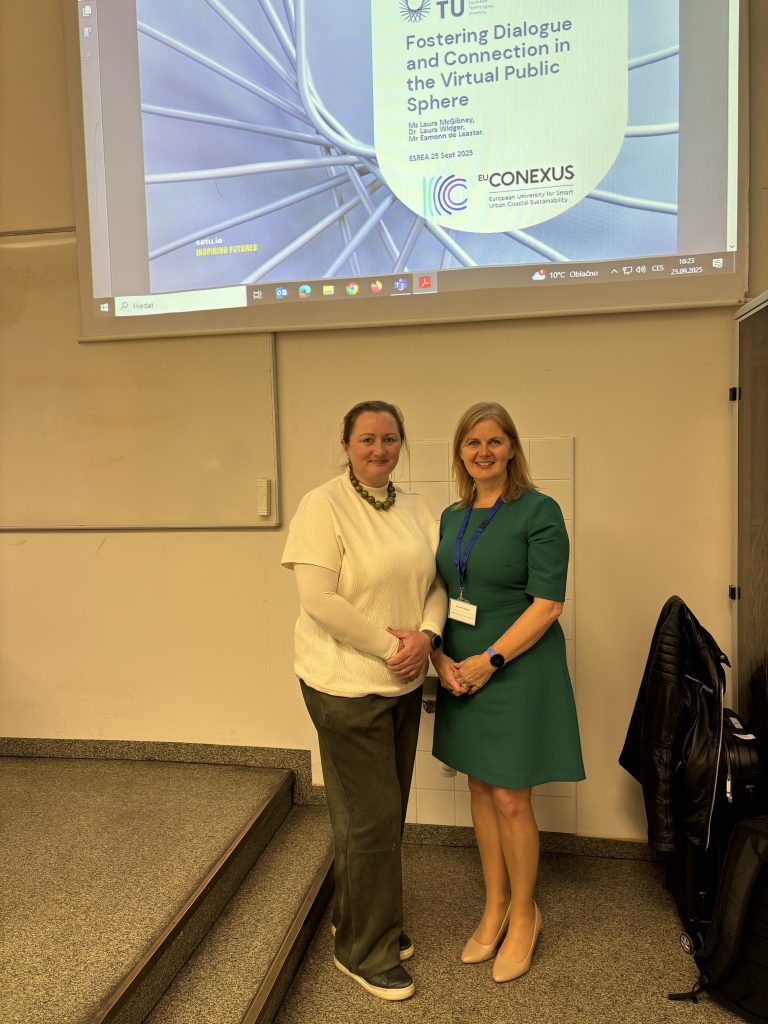
Laura McGibney attended the ESREA 2025 conference at Charles University from 12 to 14 February, 2025. The event brought together researchers and practitioners in adult education to explore the theme Dialogue in and through Adult Education and Learning. During the conference, Laura gained key insights into the role of dialogue, reflection, and arts-based practices in fostering confidence, belonging, and inclusion among adult learners. These approaches provided her with new ideas for developing engagement initiatives and designing supportive online learning environments. Her participation broadened SETU’s perspective on how meaningful dialogue can strengthen community, promote social justice, and encourage sustainable, flexible learning. The mobility also highlighted the environmental and economic benefits of flexible learning, such as reduced travel needs and improved access to upskilling opportunities. Supported by EU-CONEXUS, Laura was able to present her work internationally, exchange practices with European peers, and build cross-border collaborations in adult education. Upon returning to SETU, she began implementing creative engagement strategies and sharing insights through institutional and EU-CONEXUS networks, in turn contributing to more inclusive and learner-centred adult education practices.