Humans have been growing crops for food for almost 10,000 years. Many steps in the process have stayed the same: seeds are planted in fertile soil, watered, grown, and harvested. Growing food in communities – instead of individually – is one of the reasons why populations got larger and eventually transformed into the cities we live in today.
Today, this system is under serious pressure. The world’s population is expected to exceed 9 billion by 2050, with around 70% living in cities. This means more people, less land, and higher demand for food in densely populated urban areas.
At the same time, agriculture itself faces growing problems: climate change, pollution, water scarcity, and unpredictable weather threaten crops and cause lasting damage. Urban transformation is raising a handful of environmental challenges, too: cities generate excess heat and greenhouse gas emissions. A lot of that has to do with food transportation.
The demand for safe, high-quality food is on the rise. The mix of issues outlined above is motivating researchers to look for more precise and efficient food production methods. One such approach is controlled environment agriculture (CEA). In CEA systems, crops are grown in protected spaces where temperature, light, humidity, and nutrients can be carefully monitored and controlled. This way, food can be produced more reliably and throughout the entire year.
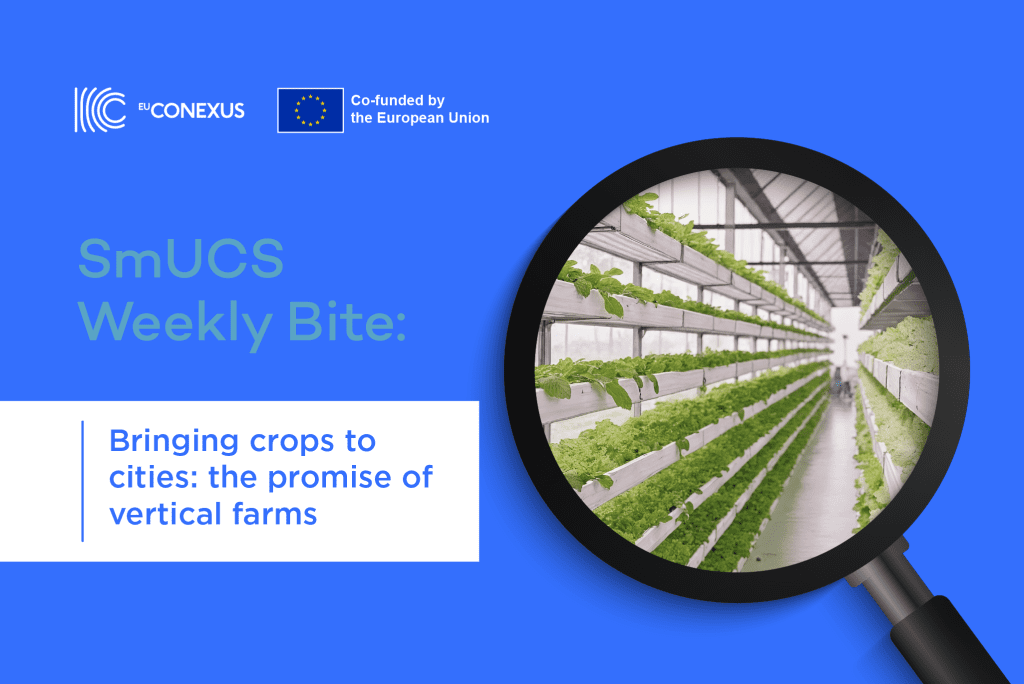
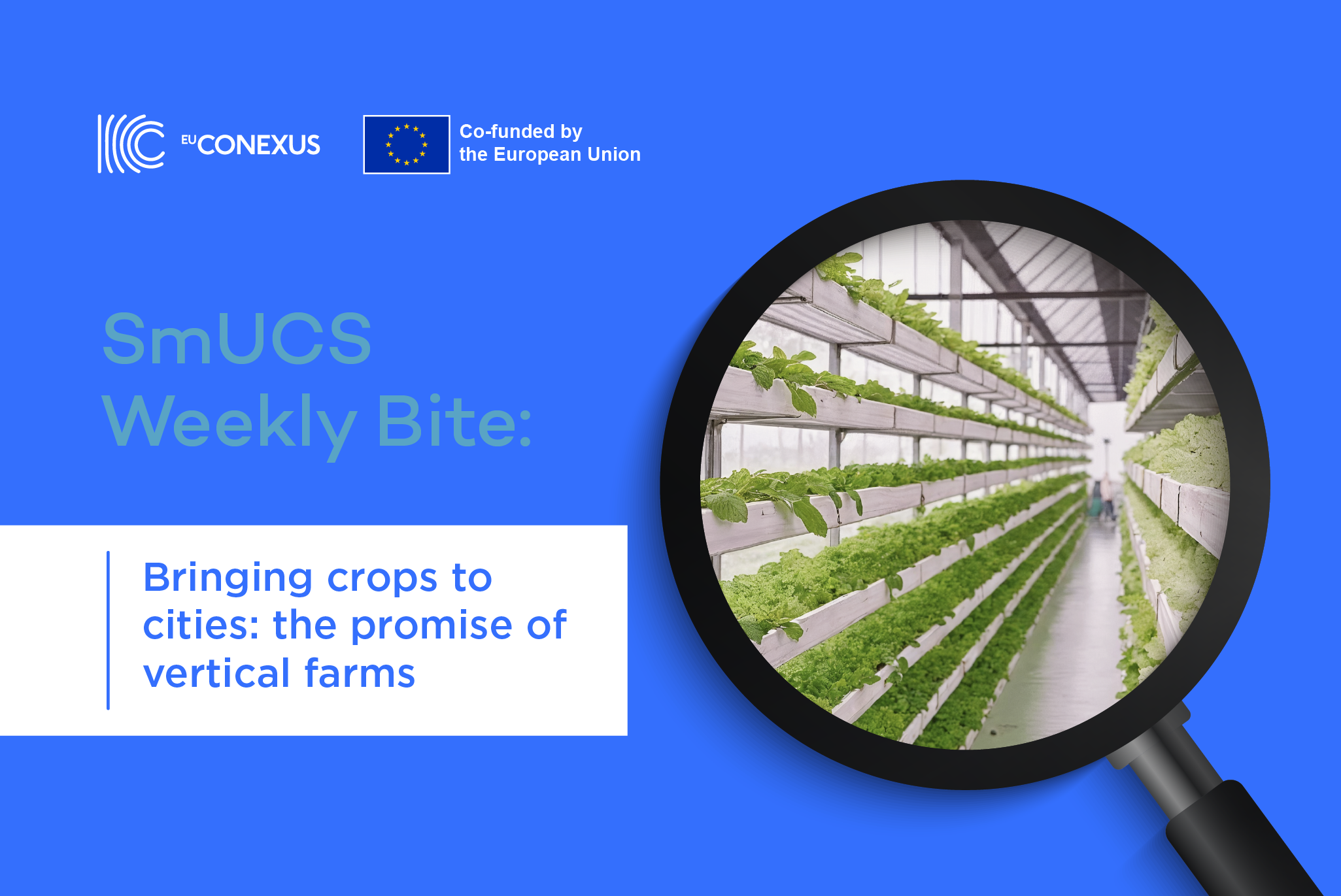
One of the most common CEA systems is vertical farms. There, crops can be stacked vertically, which allows to produce more food without using a lot of land. This is the perfect agriculture system for urban areas – vertical farms can function in warehouses and even abandoned structures.
Vertical farms are also environmentally friendly: they use 70-95% less water compared to traditional farming. Besides, since they can be located close to consumers in cities, this method also reduces food transportation distances, leading to lower CO₂ emissions. Placing those advantages on a large scale, urban vertical farming has the potential to reduce greenhouse gas emissions worldwide.
In a recent scientific review, researchers from the Agricultural University of Athens examined how greenhouses and vertical farms operate, how efficiently they use resources, and how they affect greenhouse gas emissions. In the conclusion part, they stated that vertical farms could become key players in sustainable urban food production and the circular economy.
With that said, questions regarding energy efficiency and renewable energy use are yet to be answered. Further research is also needed to optimise lighting technologies and ensure that vertical farming can reach its full environmental potential.