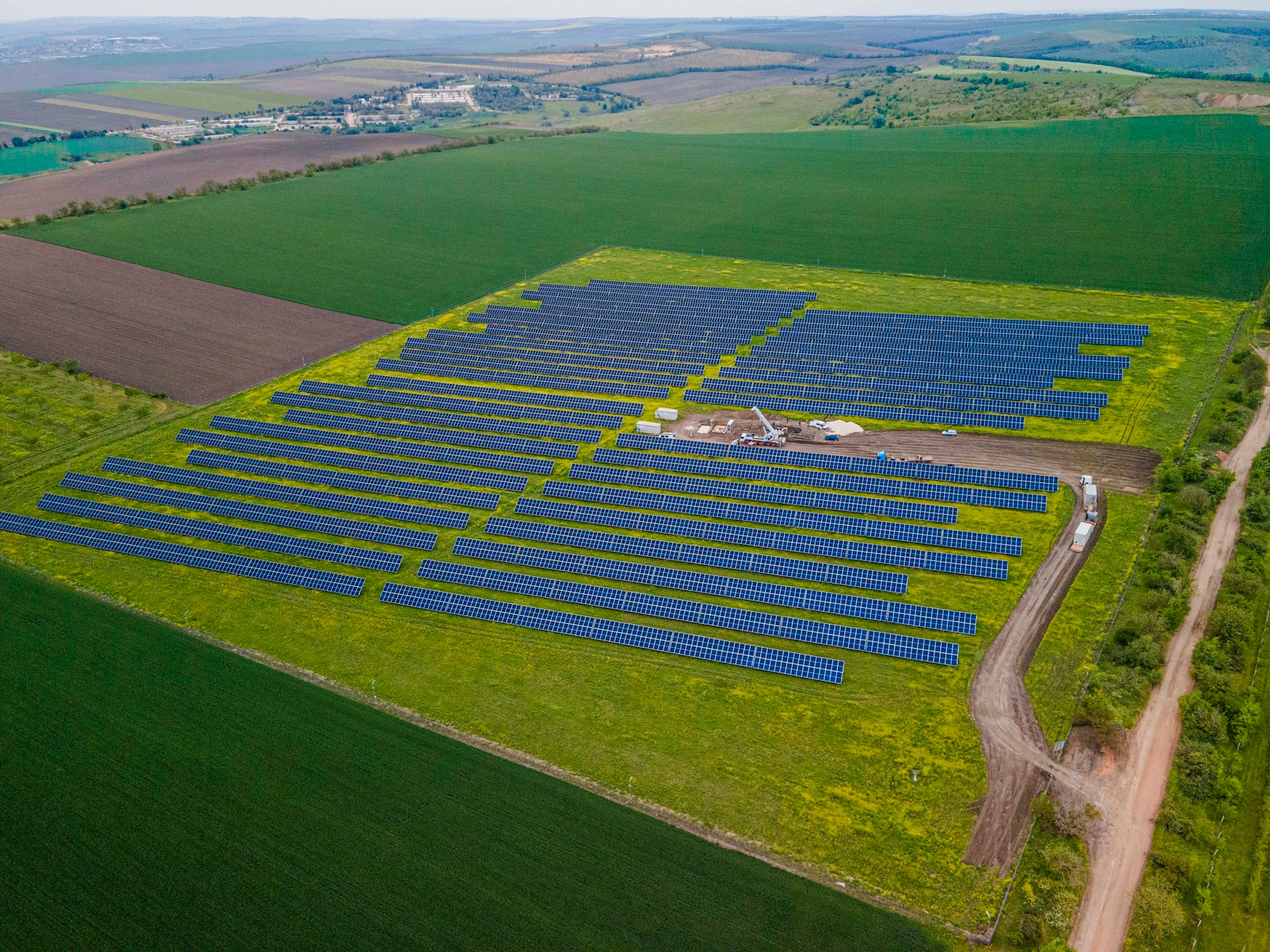
Global Energy Situation
Dates & Timetable:
Application for this micro-credential is open until 22nd September 2026.
| Date | Time |
| Thursday, 01/10/2026 | 16:30-18:30 Central European Time – Croatia, France, Germany, Spain, or 17:30-19:30 Eastern European Time – Cyprus, Greece, Lithuania, Romania, or 15:30-17:30 Western European Time – Ireland |
|
Thursday, 08/10/2026
|
|
|
Thursday, 15/10/2026
|
|
|
Thursday, 19/11/2026
|
|
| Thursday, 26/11/2026 |
Description:
Explore the global energy landscape and discover how renewable energy can support a more sustainable and resilient future. This micro-credential examines worldwide energy consumption, with a particular focus on Europe, and explores the European Union’s strategies to reduce greenhouse gas emissions and strengthen energy security. Through examples from different countries, you’ll compare energy strategies, explore the potential and costs of major renewable energy sources, and consider their role in tackling climate change. Develop critical thinking, problem-solving, communication, and collaboration skills while gaining the knowledge to understand energy policies and contribute to the global energy transition.
Learning Outcomes:
- Recognize the main advantages of developing renewable energies in coastal cities.
- Analyze the impact of European policies to mitigate climate change on the national legislations of the participating students.
Sustainable development goals:
- SDG4. Quality education
- SDG7. Affordable and clean energy
- SDG8. Decent work and economic growth
- SDG9. Industry, innovation and infrastructure
- SDG11. Sustainable cities and communities
- SDG12. Responsible consumption and production
- SDG13. Climate action
Sector:
Sustainability
Thematic area:
Climate change and resilience
HASHTAGS/KEY WORDS:
#innovations #policies #infrastructure #technologies
Volume (ECTS):
1
Language:
English
Hard skills:
Basics on global warming Basics on renewable energies
Soft skills:
Critical thinking Problem solving Responsibility Communication Collaboration
Study format:
Online
Study methods:
Lectures Individual work Case studies
Hours
Synchronous contact hours: 10
Asynchronous hours & self directed learning: 15
Entry requirements:
Bachelor student in one of the 9 partner universities of EU-CONEXUS, providing a proof of English proficiency of at least B2 level (certificate or online test).
Assessment:
Presentation, group work
HOST UNIVERSITY:
La Rochelle Université, France
Stage of accreditation:
Institutional accreditation